
The Rausing Science Centre by Walters & Cohen Architects Seamlessly Integrates with Historic King’s School Estate
Walters & Cohen Architects' new Rausing Science Centre is carefully woven into the historic fabric of The King's School, located within the precincts of Canterbury Cathedral. The project reimagines educational facilities within a sensitive, heritage-rich context.
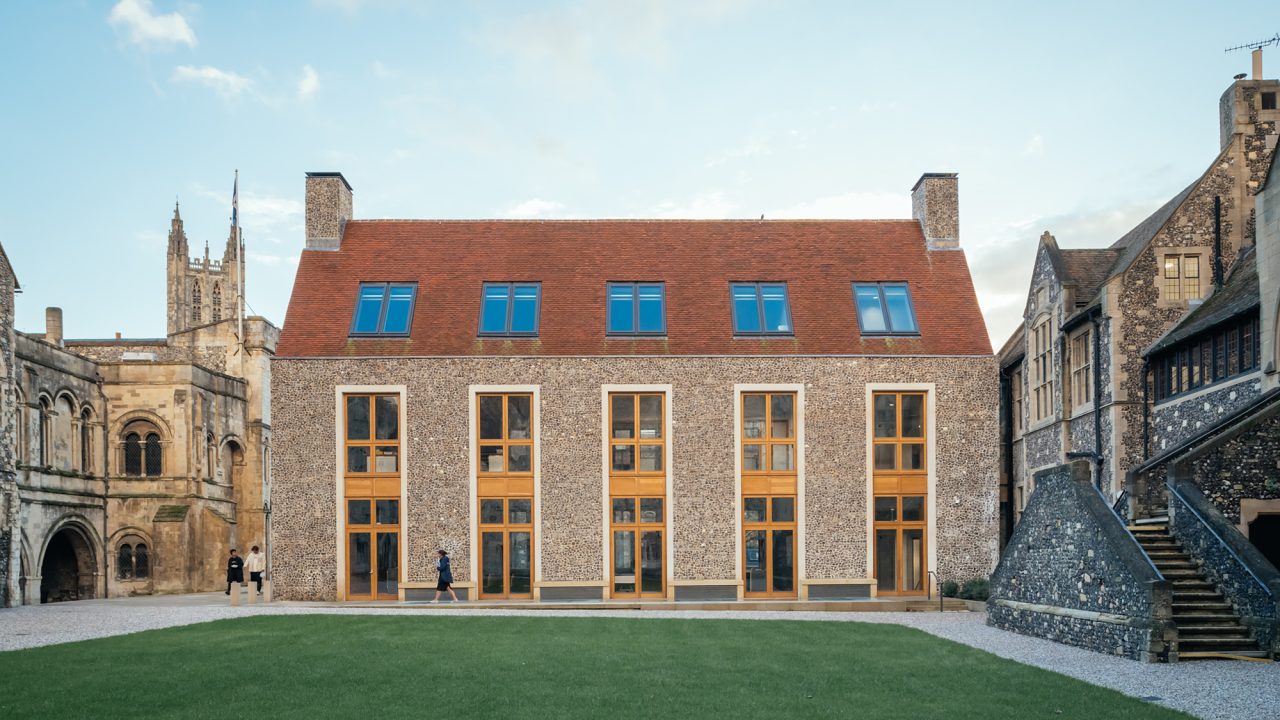
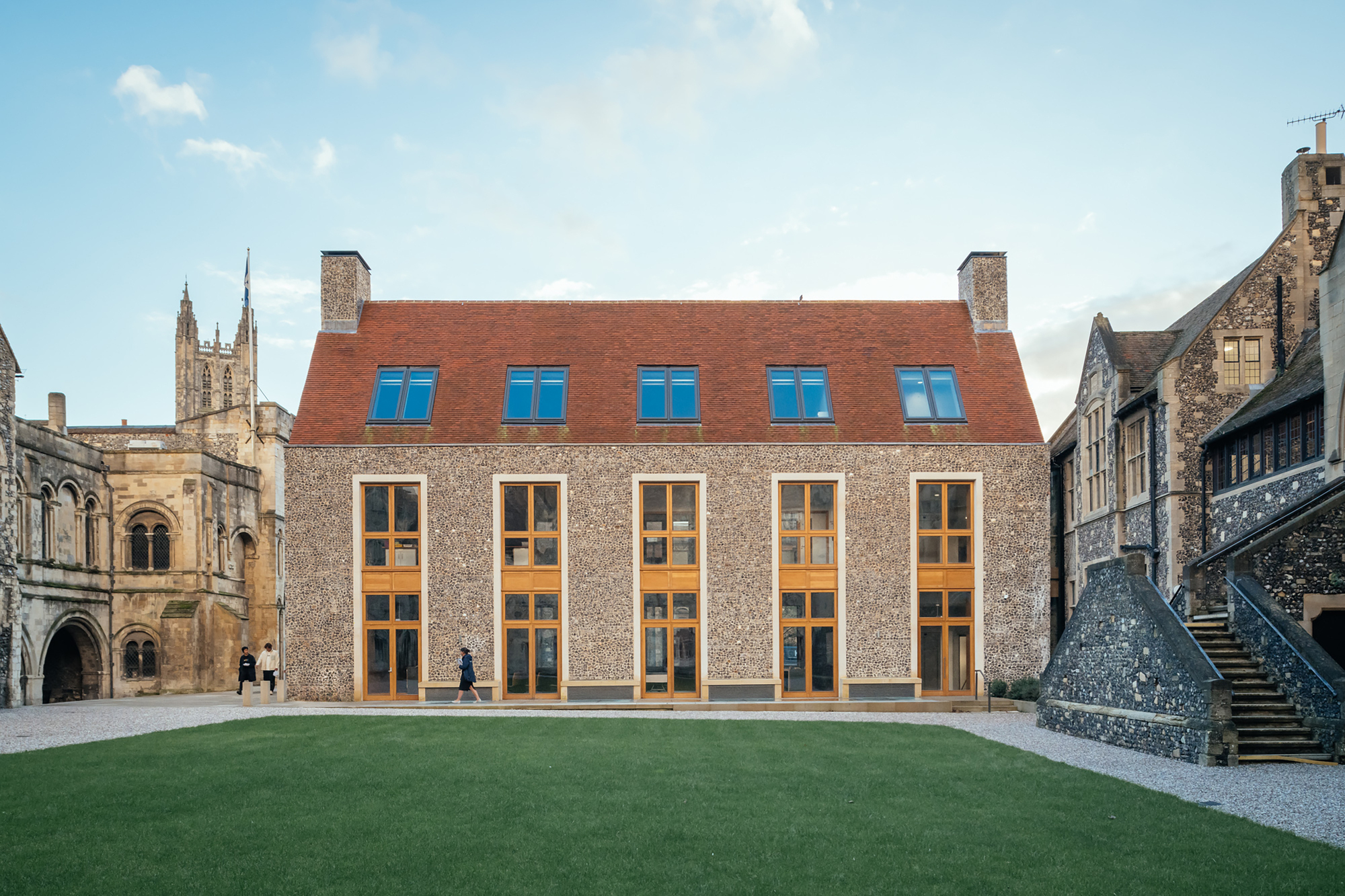
Walters & Cohen Architects has completed the Rausing Science Centre at The King’s School, a project that meticulously integrates modern educational facilities into the venerable historic estate within the precincts of Canterbury Cathedral. This new centre represents a thoughtful approach to expanding academic resources in a setting of profound historical and architectural significance. The design aims to honor the existing heritage while providing state-of-the-art learning environments for science.
Project Context and Site Sensitivity
The King’s School in Canterbury is one of the oldest and most distinguished schools in the United Kingdom, with a history stretching back over 1,400 years. Its location within the medieval city walls and adjacent to the iconic Canterbury Cathedral presents unique challenges and opportunities for any new development. The Rausing Science Centre has been designed to be “carefully stitched” into this existing fabric, suggesting a deliberate and sensitive approach to its siting and architectural expression. The architects have focused on creating a building that respects the scale, materials, and historical resonance of its surroundings, ensuring it complements rather than competes with the established heritage buildings.
Architectural Design and Materiality
While specific details regarding the architectural design and material palette are not extensively detailed in the provided source, the mention of “Material Brick” as a tag suggests that brick is a significant component of the building’s exterior. This choice likely aligns with the vernacular of the historic campus and the wider Canterbury region, promoting a sense of continuity and permanence. The integration within the “historic estate” implies that the building’s form, massing, and fenestration have been carefully considered to harmonize with the surrounding architecture, which includes a blend of medieval, Tudor, and later additions. The architects’ reputation for creating contemporary spaces within historic contexts further underscores the expectation of a sensitive and well-resolved design.
Educational Facilities and Sustainability
The Rausing Science Centre is intended to house science education for the school. Modern science facilities typically require specialized accommodation, including laboratories, teaching spaces, and support areas, all designed to facilitate hands-on learning and research. The inclusion of “Sustainability” and “Technology” as tags suggests that these aspects have been integral to the project’s development. Contemporary educational buildings are increasingly expected to incorporate sustainable design principles, such as energy efficiency, responsible material sourcing, and optimized use of natural light. The integration of technology would likely encompass advanced audiovisual equipment, digital learning tools, and robust IT infrastructure to support contemporary scientific pedagogy.
Implications for the Built Environment Community
The completion of the Rausing Science Centre offers valuable insights for architects, educators, and urban planners grappling with the challenge of developing new facilities within protected historic environments. The project demonstrates that it is possible to introduce contemporary architectural interventions that are both functional and respectful of heritage. For educators and school administrators, it highlights a model for upgrading educational infrastructure without compromising the historical integrity of their institutions. For the wider architecture and design community, Walters & Cohen Architects’ approach serves as a case study in sensitive site integration, material selection, and the creation of dynamic learning spaces within complex historical settings. The project’s success lies in its ability to enhance the educational offering of The King’s School while affirming its unique place within the historical landscape of Canterbury.
Key facts
- Project Name: The Rausing Science Centre at The King’s School
- Architect: Walters & Cohen Architects
- Location: Canterbury, England, United Kingdom
- Material Focus: Brick
- Project Type: Educational Architecture
The project’s careful integration into the historic estate of The King’s School, a site of immense cultural and historical value, sets a precedent for how modern architectural needs can be met within UNESCO World Heritage contexts. The focus on seamlessly weaving new structures into existing campuses underscores a growing trend towards adaptive reuse and sensitive new build within cherished environments.
Source: The Rausing Science Center at The King’s School / Walters & Cohen Architects, ArchDaily, https://www.archdaily.com/1041743/the-rausing-science-center-at-the-kings-school-walters-and-cohen-architects
Source
ArchDaily Original publication: 2026-05-23T11:00:00+00:00
Related news
Nelson Byrd Woltz Begins Construction on Restorative Eagle Courtyard at Walter Reed Medical Center
Construction has started on a redesigned Eagle Courtyard at Walter Reed National Military Medical Center, led by Nelson Byrd Woltz Landscape Architects.…
Read more
London’s listening bar boom reflects a deeper shift in hospitality design and music culture
A wave of Japanese-inspired listening bars is reshaping London’s nightlife, but owners and critics are asking whether the concept can survive commercial…
Read more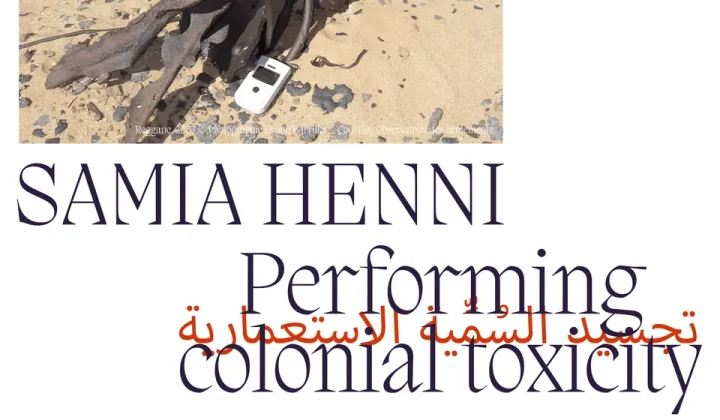
Performing Colonial Toxicity Exhibition in Valencia Examines Architecture’s Role in Nuclear Colonialism
From 24 October to 1 November 2026, Aguas Internacionales in Valencia hosts Samia Henni’s exhibition on French nuclear testing in the Algerian…
Read more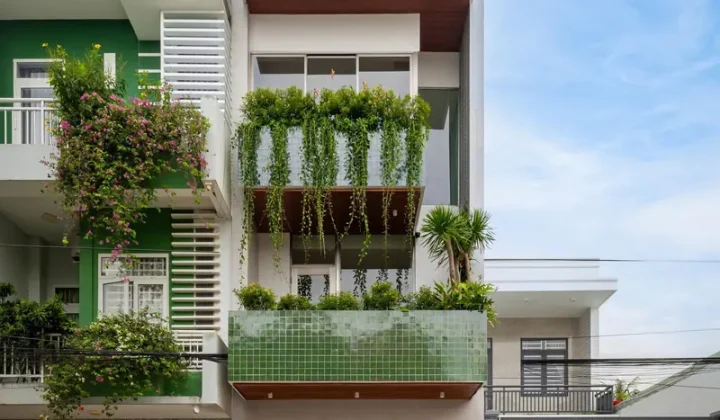
Calm Haven House by ADA Design & Build Offers a Model for Wellness-Focused Residential Design
A new house in Can Tho, Vietnam, designed by ADA Design & Build for a young couple of doctors, demonstrates how residential…
Read moreRelated wiki
Adaptive Reuse in Architecture
Reference page for reuse, retrofit, conversion, embodied carbon and design constraints.
Read more