Hospitality Design Trends for 2027 Focus on Flexibility and Real-Use Comfort
From movable furniture and layered lighting to acoustic treatment and textured materials, the seven hospitality design trends for 2027 prioritise how spaces actually perform when people are in them, rather than how they look in empty photographs.
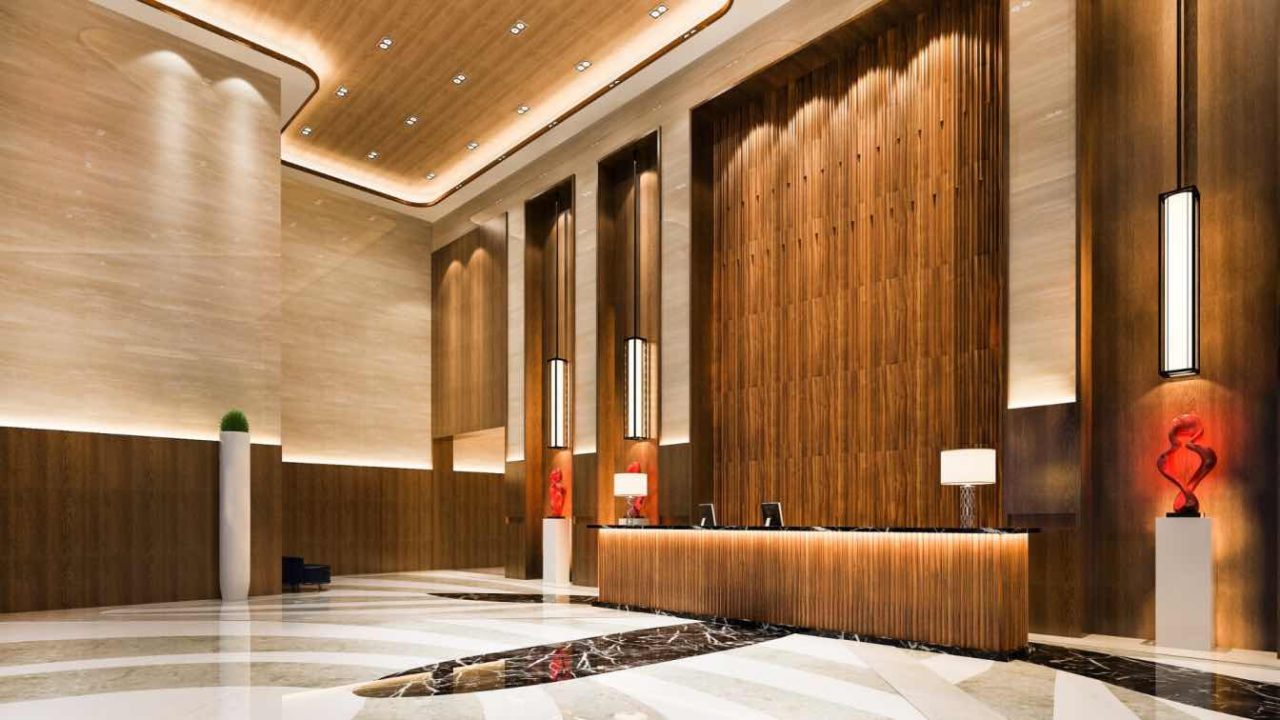
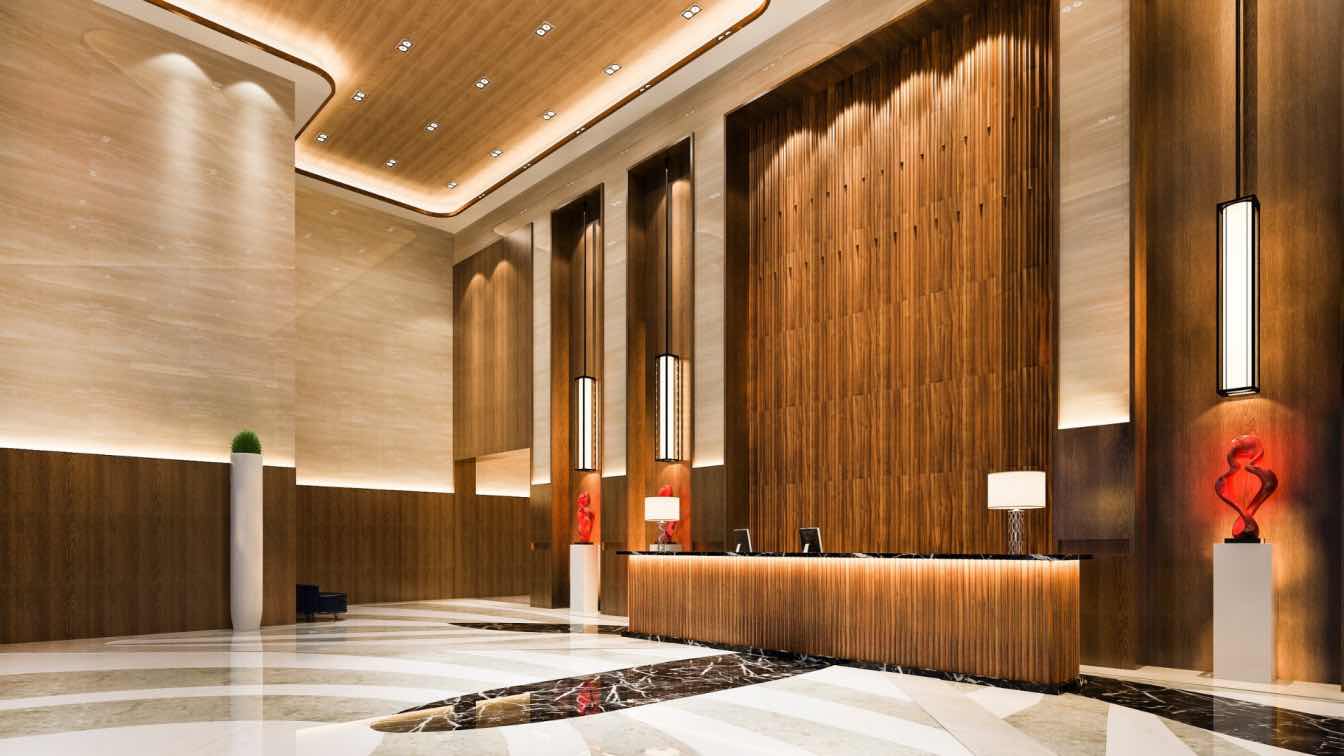
A growing gap between how hospitality interiors photograph and how they function once guests arrive is driving a shift in design priorities for 2027. The seven trends identified ahead of the Interihotel MAD26 fair, which runs from 17 to 19 November in Madrid, centre on flexibility, acoustics, lighting, and material choices that improve daily use rather than single-shot aesthetics.
Interihotel MAD26 brings together furniture, architecture, lighting, materials, and technology under one programme. The organisers note that these categories overlap in real rooms anyway, and the trends reflect that integration.
Key facts
| Trend | What it means for hospitality spaces |
|---|---|
| Movable furniture | Lighter chairs and smaller tables allow staff to reconfigure a room for breakfast, work, and evening socialising without logistical effort |
| Layered lighting | Different light levels for reception, corridors, and lounge zones replace uniform brightness or dramatic contrasts |
| Acoustic treatment | Softer surfaces and ceiling treatments reduce noise, making spaces feel calmer without dedicated wellness concepts |
| Textured materials | Timber, stone, fabric, and plaster with visible texture hide everyday wear better than glossy finishes |
Flexible furniture for multi-use spaces
A single hotel lobby or lounge area must serve guests at 8 a.m. checking out with luggage, at 2 p.m. working on laptops, and at 9 p.m. socialising before heading out. Designers are moving away from fixed furniture plans toward lighter chairs, smaller tables, and looser groupings that staff can rearrange without a production. The trend is driven by usefulness rather than fashion.
Layered lighting over dramatic features
The era of a single “wow” light feature or giant wall installation designed for photographs is fading. Instead, designers are applying varied light levels to help guests navigate intuitively. Reception benefits from brighter light so guests spot it immediately. Corridors use light to pull the eye forward. Lounges can sit in softer light without needing extra partitions. The approach is particularly relevant for large resorts and casino properties, where one guest may move through several zones in an hour.
Acoustic treatment as a quiet priority
Good acoustics are moving from technical afterthought to design requirement. A corridor that does not echo, natural light near a seating area, a quiet waiting spot, and obvious routes to lifts and exits contribute more to a calm guest experience than a dedicated wellness concept running through every room. The organisers note that guests rarely comment on “excellent acoustic transition”, but they feel less drained in a well-treated space.
Textured and forgiving materials
Hospitality spaces take heavy daily use: suitcases hit walls, chairs scrape floors, glasses get placed where they should not. Glossy perfection becomes a nuisance. Textured timber, stone, fabric, and plaster are more forgiving; marks do not always look like damage and can become part of the surface over time.
Clear wayfinding and digital integration
A screen near reception does not need to impress. It needs to answer the questions guests actually have: where is breakfast, which way is the event room, is the restaurant still open. This matters in large properties where a guest can move through several different areas within an hour. The trends also acknowledge that digital activity is part of the same visit, though the fair programme focuses on physical design solutions.
Real-world testing over empty-room photography
The broader Interihotel programme addresses the same issue: hospitality design is less convincing when judged only while the room is empty. The real test starts after opening. A beach hotel, a city restaurant, and a casino lounge can all look completely different, but what matters is whether the room works once people are in it. Can guests hear each other across the table? Is there somewhere comfortable to sit? Does the lighting help? Can a guest find the lift without wandering around?
Source: Amazing Architecture, https://amazingarchitecture.com/articles/seven-hospitality-design-trends-for-2027
Source
Amazing Architecture Original publication: 2026-10-16T14:06:24+00:00
Related news

Futurewave’s Arc Silver Bracelet Uses a Gentle Vibration to Curb Phone Overuse
The Belgian design studio’s Arc bracelet offers a tactile nudge when screen time exceeds a set limit, with no display, notifications, or…
Read more
BDNY 2026 returns to New York with immersive installations and global hospitality design focus
Boutique Design New York (BDNY) returns to the Jacob K. Javits Center on November 8–9, 2026, featuring over 700 brands, immersive Designed…
Read more
Lucy McRae’s speculative practice treats the body as a testing ground for future technologies
The artist and designer, founder of Future Sensitive, discusses how wearable tech, swallowable cosmetics, and speculative costumes turn the human form into…
Read more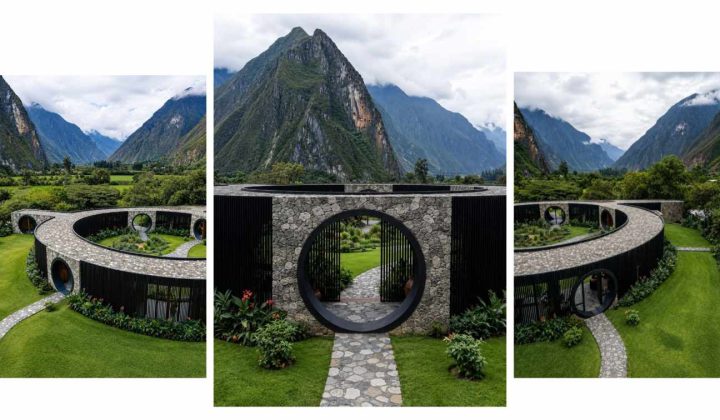
Circular Geometry and Central Courtyard Define Villa Orbit by Hamidreza Edrisi and Hoori Taleshi
Iranian architects Hamidreza Edrisi and Hoori Taleshi have unveiled Villa Orbit, a residential design proposal defined by a continuous circular geometry and…
Read moreRelated wiki
Adaptive Reuse in Architecture
Reference page for reuse, retrofit, conversion, embodied carbon and design constraints.
Read more