
House Bill BUILD America 250 Proposes Increased Highway Funding, Reduced Transit and Rail Investment
The proposed BUILD America 250 Act from the House Transportation and Infrastructure Committee aims to significantly boost highway spending while cutting investments in public transit and rail, sparking debate among infrastructure advocates.
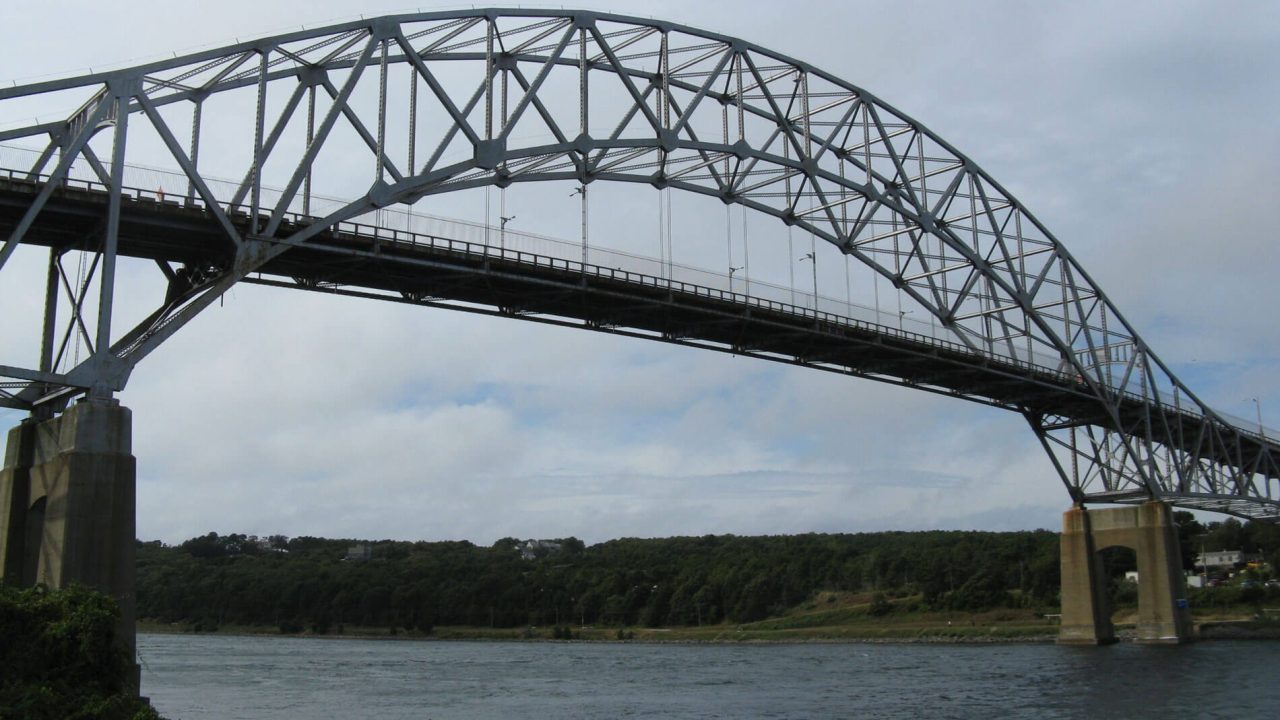

The House Transportation and Infrastructure Committee has introduced the BUILD America 250 Act, a five-year surface transportation reauthorization bill that proposes a significant shift in federal infrastructure investment. The bill, short for “Building Unrivaled Infrastructure and Long-term Development for America’s 250th,” aims to address the nation’s aging infrastructure by prioritizing highway and bridge improvements.
However, the legislation has drawn criticism for its proposed reduction in funding for public transit and rail systems, a contrast to the broader goals of previous infrastructure initiatives.
Bill Overview
BUILD America 250 is presented as the largest investment in American bridges to date and introduces a new revenue stream for the Highway Trust Fund, the first in over three decades. The bill allocates $474 billion over five years. In its current form, it would increase highway funding by 8%, or approximately $28 billion, while decreasing transit and rail funding by 20%, or about $43 billion, relative to the Biden administration’s Infrastructure Investment and Jobs Act (IIJA).
This approach differs from the IIJA, which allocated $539 billion and included more emphasis on social and environmental objectives. BUILD America 250 notably lacks provisions for reducing carbon emissions and does not include grants for urban highway removals.
Reactions and Concerns
The Union of Concerned Scientists has characterized the bill as a “highway contractor’s wishlist,” while the American Cement Association has expressed enthusiasm.
The Rail to Trails Conservancy (RTC) has voiced concerns that the bill does not adequately benefit pedestrians and cyclists. RTC’s Kevin Mills stated that while the proposed cuts to active transportation are not as severe as initially feared, the bill “does not deliver for the 30 percent of Americans who do not drive” and rely on walking and biking infrastructure.
Supporters of the bill, including Republican T&I Committee Chairman Sam Graves, argue that BUILD America 250 will streamline federal processes, promote innovation and safety, and provide states with the flexibility to manage their unique infrastructure needs.
Potential Impacts
Despite the focus on highways, the bill could have implications for other transportation sectors. For instance, Democratic Subcommittee Ranking Member Eleanor Holmes Norton noted that the bill would make the Union Station Redevelopment Corporation in Washington, D.C. eligible for five federal grant programs, potentially aiding in the revitalization of historic train stations.
The legislation also includes language for “blue envelope” programs, aimed at improving interactions between law enforcement and drivers with communication difficulties during traffic stops.
The introduction of BUILD America 250 follows a Department of Transportation competition to envision speculative infrastructure projects for the “America 250” campaign, highlighting a broader national conversation about the future of the country’s infrastructure as it approaches its 250th anniversary.
Datos clave
| Aspecto | Detalle |
|—|—|
| Nombre del proyecto de ley | BUILD America 250 Act |
| Financiación propuesta para autopistas | Aumento del 8% ($28 mil millones) |
| Financiación propuesta para tránsito y ferrocarril | Reducción del 20% ($43 mil millones) |
| Duración del plan | Cinco años |
| Inversión total propuesta | $474 mil millones |
This development is significant for Paionia7 readers as it directly impacts the future direction of national infrastructure investment. The proposed rebalancing of funds away from public transit and rail towards highways could have long-term consequences for urban planning, sustainable development, and the accessibility of transportation networks for all users. Readers interested in urbanism, sustainable design, and technology will want to follow how these funding shifts might shape the built environment and influence the development of future projects.
Fuente: The Architect’s Newspaper, https://www.archpaper.com/2026/05/build-america-250/
Datos clave
| Punto | Detalle |
|---|---|
| Fuente | The Architect’s Newspaper |
| Fecha | 2026-05-26T19:37:53+00:00 |
| Tema | The House’s BUILD America 250 bill could increase highway spending and decrease rail and transit investments |
Source
The Architect's Newspaper Original publication: 2026-05-26T19:37:53+00:00
Related news

How to Specify a Commercial-Grade Outdoor Swing Chair That Lasts Beyond Two Years
A procurement expert with 15 years in hospitality furniture sourcing explains why most outdoor swing chairs fail within five years of resort…
Read more
Freddie Mercury’s stage costumes go on display at V&A in free 2026 exhibition
The V&A marks the 80th anniversary of Freddie Mercury’s birth with ‘Splendid Things’, a free exhibition of eight iconic looks lent by…
Read more
Armenian Designer Shushana Khachatrian Debuts ‘The Woman’s Chair,’ a Deliberately Uncomfortable Reflection on Social Structures
Armenian designer Shushana Khachatrian's 'The Woman's Chair' uses polished stainless steel and a deliberately unstable geometry to question expectations around comfort, posture,…
Read more
27 Storeys Documentary Revisits Vienna’s Alterlaa and the Utopian Promise of Collective Living
Director Bianca Gleissinger returns to her childhood home in the Alterlaa housing complex to explore how a 1970s social housing project achieved…
Read moreRelated wiki

Adaptive Reuse in Architecture
Reference page for reuse, retrofit, conversion, embodied carbon and design constraints.
Read more