Coppermaker Square Co-Working Space Blends Hospitality Design with Biophilic Elements
Studio Multi and Tabitha Isobel have unveiled Conductor, a flexible co-working space in East London's Coppermaker Square, drawing inspiration from the golden age of rail travel and incorporating lush greenery to create a welcoming atmosphere.
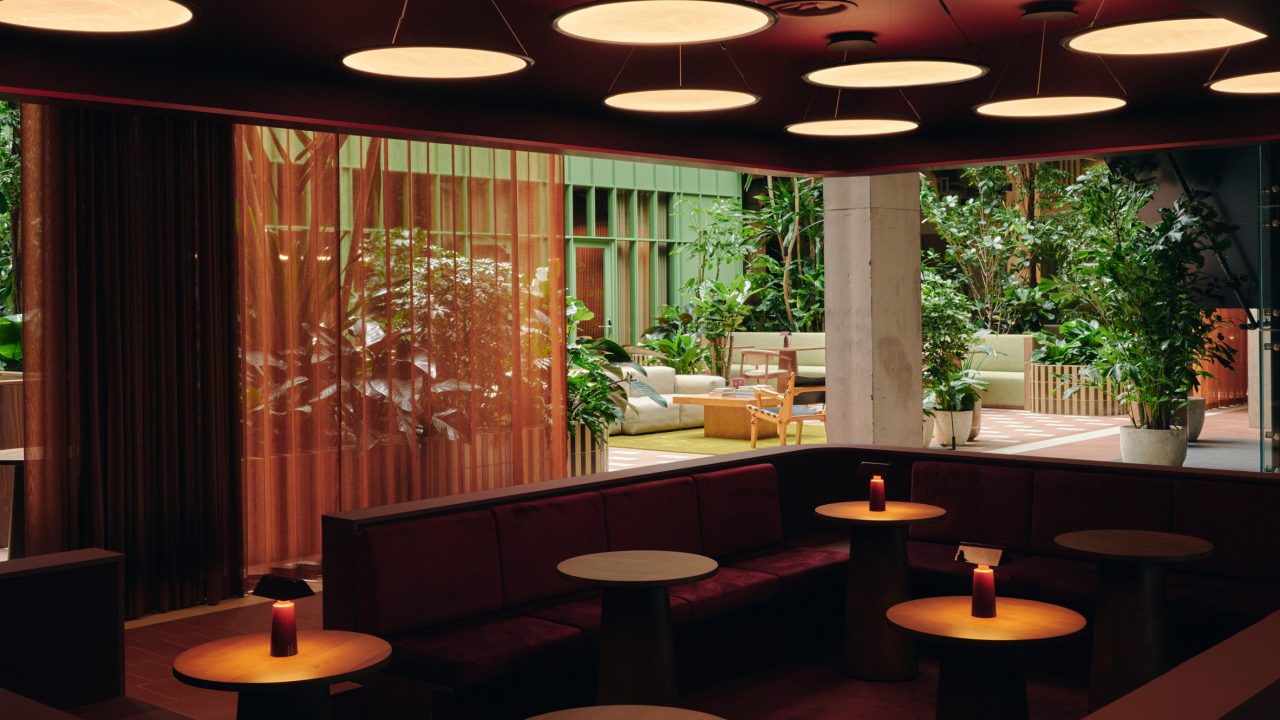
Studio Multi and Tabitha Isobel have completed Conductor, a flexible co-working facility in East London that distinguishes itself with integrated planting and a tactile material palette, aiming to evoke the comfort of hospitality settings. Located within the Coppermaker Square build-to-rent development in Stratford, the 3,400-square-metre workspace draws inspiration from the golden age of rail travel, with subtle nods to Moorish architecture and the spaciousness of historic palm courts evident in its central atrium.
A Collaborative Vision
The collaboration between architecture firm Studio Multi and interior design office Tabitha Isobel aimed to create a co-working environment that feels more like a welcoming lounge than a traditional office. Tabitha Isobel, founder of the eponymous studio, stated the intention was for visitors to be surprised that the space was indeed a workplace. The design leverages the central atrium to create an immersive experience that adapts to different working styles and times of day.
Biophilic Sensibility and Tactile Materials
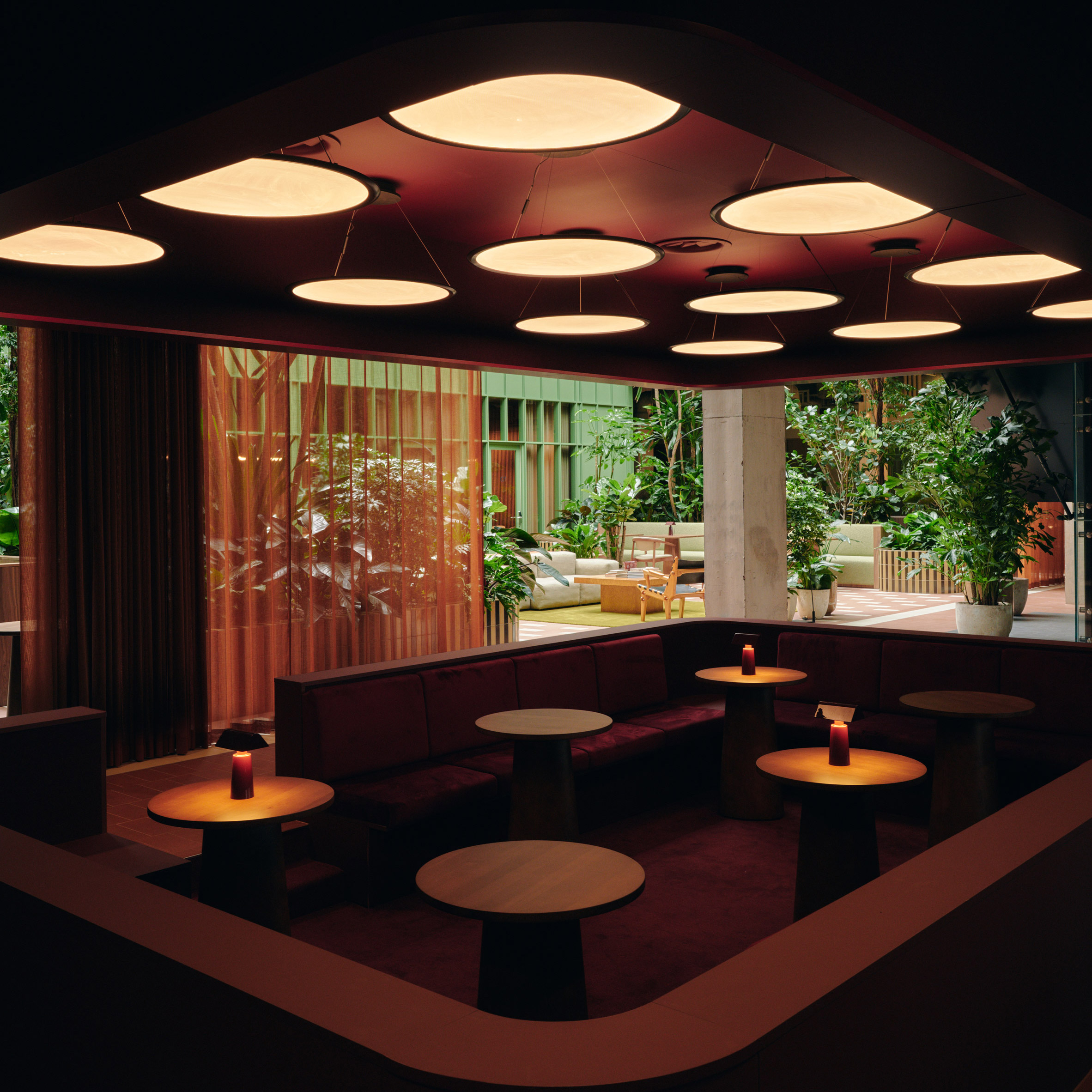
A colour palette featuring shades of rust, amber, and ochre, echoing the broader Coppermaker Works development, provides a warm backdrop for abundant planting. This integration of greenery introduces a biophilic sensibility, connecting occupants with nature. The material choices emphasize tactility, with wood, ceramic, and upholstery softening the building’s exposed concrete structure, conduits, and steel staircase.
Distinct Zones for Work and Relaxation
Conductor is organized into various programmatic areas, each with unique spatial qualities and finishes designed to facilitate different activities. The reception area features ceramic floor tiles in an alternating pattern, a motif that is repeated in the volcanic-ash glazed tiles cladding the welcome desk. Adjacent to this, a cafe counter shares the same tile treatment and is situated beneath a timber canopy, creating a more intimate atmosphere distinct from the open-plan layout.
The heart of the space is a double-height atrium, flooded with natural light from a glazed roof. Here, bench seating is integrated into bespoke tile-clad planters filled with lush vegetation. A nearby breakout area offers a mix of vintage armchairs and a midcentury table alongside contemporary furniture from Danish brand Hay. The atrium’s verticality is accentuated by oversized cylindrical pendant lights and the framed timber-and-glass meeting rooms lining its perimeter. For more focused work, a long communal table offers a dedicated area, while desks with integrated lighting by Muuto are nestled within the planting.
Intimate Spaces for Collaboration
For more private interactions, a conversation pit upholstered in deep-red fabric provides an intimate spot for informal meetings or focused work. This sunken area is carpeted and features an acoustic canopy to manage noise levels. A library, separated from the main space by terracotta bricks that allow light to penetrate while maintaining visual privacy, offers integrated walnut joinery, including shelves displaying vintage books and sculptural objects, contributing to a homely feel. The first floor houses glass-walled private offices, back-to-back booths, and informal lounge areas, further expanding the range of work settings.
Context and Significance
The Conductor project by Studio Multi and Tabitha Isobel represents a growing trend in workplace design, moving away from sterile office environments towards spaces that prioritize well-being, flexibility, and a connection to nature. By referencing hospitality design principles, the project aims to enhance the daily experience of its users, making the co-working environment a more desirable and productive place to be. This approach is particularly relevant for urban developments like Coppermaker Square, where the integration of diverse amenities is key to creating vibrant communities.
Datos clave
| Feature | Description |
|—|—|
| Project Name | Conductor Co-working Space |
| Location | Coppermaker Square, Stratford, East London |
| Designers | Studio Multi and Tabitha Isobel |
| Key Inspirations | Golden age of rail travel, Moorish architecture, historic palm courts |
| Notable Elements | Integrated planting, tactile materials, central atrium, distinct work zones |
Fuente: Dezeen, https://www.dezeen.com/2026/05/27/studio-multi-tabitha-isobel-coppermaker-square-co-working-space/
Datos clave
| Punto | Detalle |
|---|---|
| Fuente | Dezeen |
| Fecha | 2026-05-27T08:00:23+00:00 |
| Tema | Studio Multi and Tabitha Isobel reference hospitality design at Coppermaker Square co-working space |
Source
Dezeen Original publication: 2026-05-27T08:00:23+00:00
Related news
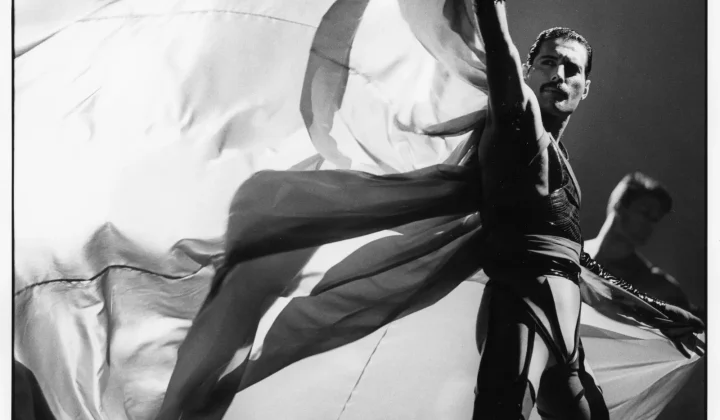
Freddie Mercury’s stage costumes go on display at V&A in free 2026 exhibition
The V&A marks the 80th anniversary of Freddie Mercury’s birth with ‘Splendid Things’, a free exhibition of eight iconic looks lent by…
Read more
Armenian Designer Shushana Khachatrian Debuts ‘The Woman’s Chair,’ a Deliberately Uncomfortable Reflection on Social Structures
Armenian designer Shushana Khachatrian's 'The Woman's Chair' uses polished stainless steel and a deliberately unstable geometry to question expectations around comfort, posture,…
Read more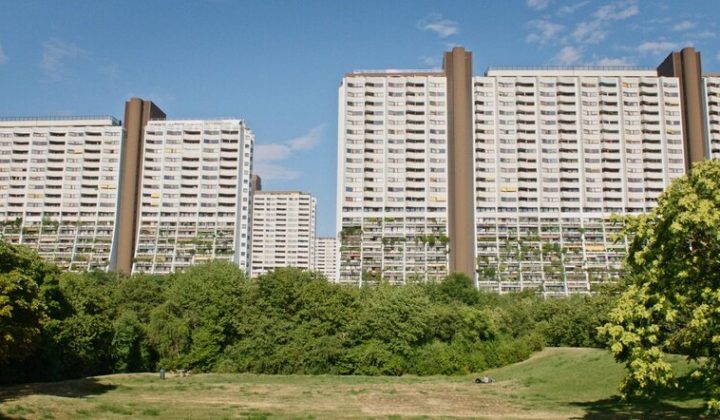
27 Storeys Documentary Revisits Vienna’s Alterlaa and the Utopian Promise of Collective Living
Director Bianca Gleissinger returns to her childhood home in the Alterlaa housing complex to explore how a 1970s social housing project achieved…
Read more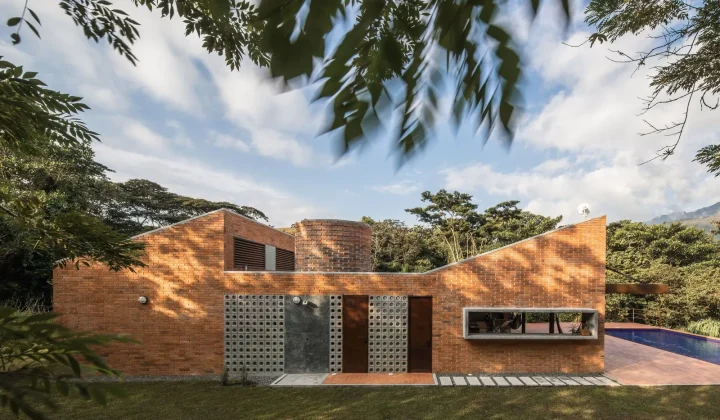
12 Colombian Houses Showcase the Enduring Appeal of Exposed Brick
ArchDaily highlights a dozen Colombian homes that use exposed brick as a structural and aesthetic statement, reflecting the material's deep roots in…
Read moreRelated wiki
Adaptive Reuse in Architecture
Reference page for reuse, retrofit, conversion, embodied carbon and design constraints.
Read more