Tesla Owner Wins $10,600 Refund for Undelivered Full Self-Driving Software
A Tesla owner successfully sued the company for a refund on its Full Self-Driving software, which he argued was never delivered as promised.
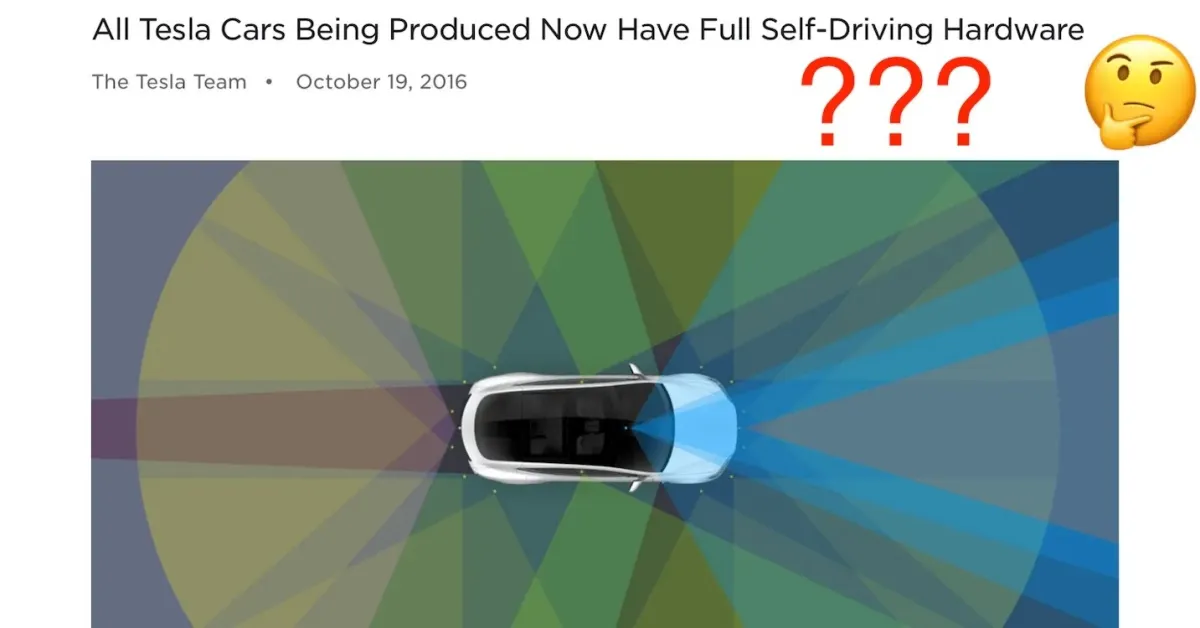
A Tesla owner has been awarded a $10,600 refund in a small claims court judgment against the electric vehicle manufacturer, ruling that the company’s Full Self-Driving (FSD) software was not delivered as promised. This case highlights ongoing consumer frustration with Tesla’s long-standing claims about its autonomous driving capabilities.
The owner, Ben Gawiser, purchased Tesla’s FSD software for $10,000 in August 2021, paying an additional sum for taxes and court fees. At the time of purchase, Tesla had indicated that the software, and the hardware in its vehicles, would enable a fully autonomous driving experience, with CEO Elon Musk having previously stated in January 2021 that “the car will drive itself for the reliability in excess of a human this year.”
However, Gawiser, like many other owners, found that the FSD software, still classified as a Level 2 system, did not deliver on the promised Level 5 autonomy. He cited instances where his vehicle would unexpectedly stop or require him to take over control within minutes of engaging the system, and that it failed to adequately respond to safety zones like school areas.
Disappointed by the software’s performance and what he perceived as a failure to deliver on years of promises, Gawiser contacted Tesla in November 2025 seeking a refund. After receiving what he described as a “cold shoulder” and being offered a service center visit as the only remedy, he decided to pursue legal action.
Navigating Small Claims Court
Gawiser filed a lawsuit in small claims court in Travis County, Texas, where Tesla has its headquarters. Despite Tesla’s purchase agreement containing an arbitration clause, he successfully served the company by identifying its registered agent. The filing fee for the lawsuit, including certified mail, was approximately $72.88.
When Tesla failed to respond to the lawsuit, a default judgment hearing was scheduled. Gawiser presented evidence of his purchase and the non-delivery of the promised functionality. The court ruled in his favor, ordering Tesla to refund the full amount paid for the FSD software, including taxes and court fees, totaling $10,672.88.
Tesla’s Delayed Response
Following the default judgment issued on April 1, Tesla had a 3-week window to respond, a deadline it missed. The company later filed a request for an extension, claiming they had not received notice of the hearing. This request was followed by a motion for rehearing, which Gawiser argued lacked a “meritorious defense.”
Gawiser pointed to recent statements by Elon Musk during a Q2 2026 earnings call, where Musk reportedly admitted that vehicles with older hardware (HW3), like Gawiser’s, would never be capable of full self-driving without significant factory upgrades. Gawiser argued that this admission directly contradicted Tesla’s prior claims and supported his case that the software he purchased was undeliverable with the existing hardware.
Court Denies Tesla’s Rehearing Request
On May 13, the court heard Tesla’s request for a rehearing. Gawiser maintained that Tesla had missed the deadline to present a defense. According to Gawiser, the judge quickly denied Tesla’s motion, stating there was no basis for overriding the missed deadline. A Tesla representative present at the hearing reportedly expressed their opinion on the matter, though the specifics were not fully detailed in the initial report.
Gawiser had also initiated a writ of execution, a legal process that could allow law enforcement to seize and sell Tesla’s assets to satisfy the judgment, should the company continue to delay payment.
This case underscores the challenges consumers face when purchasing advanced software that relies on future technological development and regulatory approval. The legal battle highlights the gap between Tesla’s marketing promises and the actual capabilities of its FSD system, as evidenced by the court’s decision.
Datos clave
| Elemento | Detalle |
| :———————- | :——————————————————————– |
| Demandante | Ben Gawiser |
| Demandado | Tesla, Inc. |
| Monto del Juicio | $10,672.88 |
| Motivo | Incumplimiento de la entrega del software Full Self-Driving (FSD) |
| Tribunal | Juzgado de paz de pequeñas reclamaciones del condado de Travis, Texas |
The outcome of this lawsuit could set a precedent for other Tesla owners seeking refunds for FSD software that has not met advertised expectations. For readers of Paionia7, this case touches upon the intersection of technology, consumer rights, and the evolving landscape of autonomous vehicle development, a field with significant implications for urban planning and future mobility.
Fuente: electrek.co (https://electrek.co/2026/05/29/this-tesla-owner-won-10k-in-court-for-teslas-fsd-lies-tesla-is-still-fighting-him/)
Datos clave
| Punto | Detalle |
|---|---|
| Fuente | electrek.co |
| Fecha | 2026-05-29T23:40:00+00:00 |
| Tema | This Tesla owner won a $10k refund in court for Tesla’s FSD lies (Updated) |
Source
electrek.co Original publication: 2026-05-29T23:40:00+00:00
Related news
Christopher Kane brings streamlined, heritage-driven vision to Mulberry in London Fashion Week debut
The Scottish designer presented his first collection for the British leather goods house at London Fashion Week, blending sharp tailoring, archival references…
Read more
When Film Directors Become Interior Designers: Guadagnino, Lynch, Anderson and Almodóvar Step Off Screen
From Luca Guadagnino’s Zara Home collection to David Lynch’s Paris club and Wes Anderson’s train carriage, a wave of collaborations is blurring…
Read more
Jesus Mari Lazkano Examines Changing Landscapes Through Painting and Animated Film at Basque Luxury Studio
The Basque artist’s exhibition ‘Azken Natura’ brings together six large-scale paintings and a 22-minute animated film that traces the melting of the…
Read more
Glenn Spiro opens intimate jewellery atelier in Mayfair with designer Valerie Name Bolaño
The London jewellery house’s new boutique at 26 Bruton Street blends antiques, bespoke furniture and a monochrome palette to create a residential…
Read moreRelated wiki

Adaptive Reuse in Architecture
Reference page for reuse, retrofit, conversion, embodied carbon and design constraints.
Read more