
Amplifying Nature’s Whispers: Art and Technology Converge to Sonify Living Organisms
Artists and technologists are creating immersive soundscapes by translating the subtle electrochemical signals of plants, fungi, and other organisms into audible experiences, fostering a deeper connection with the natural world.
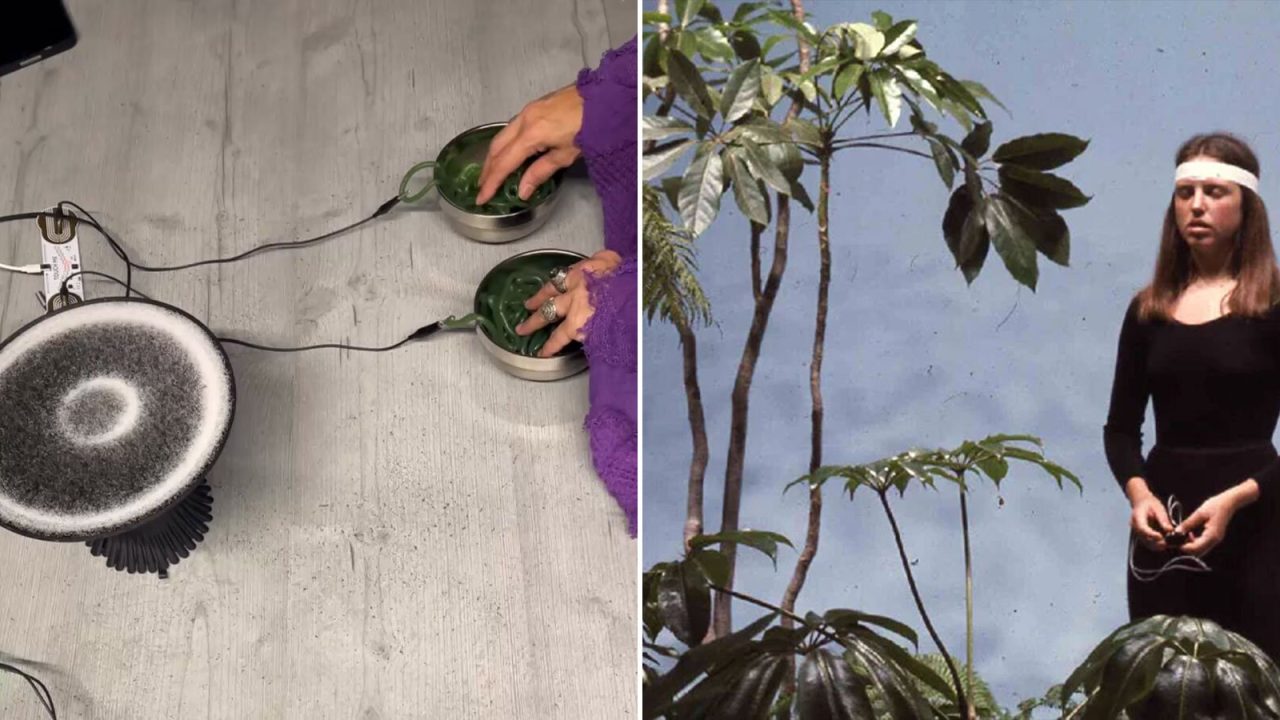
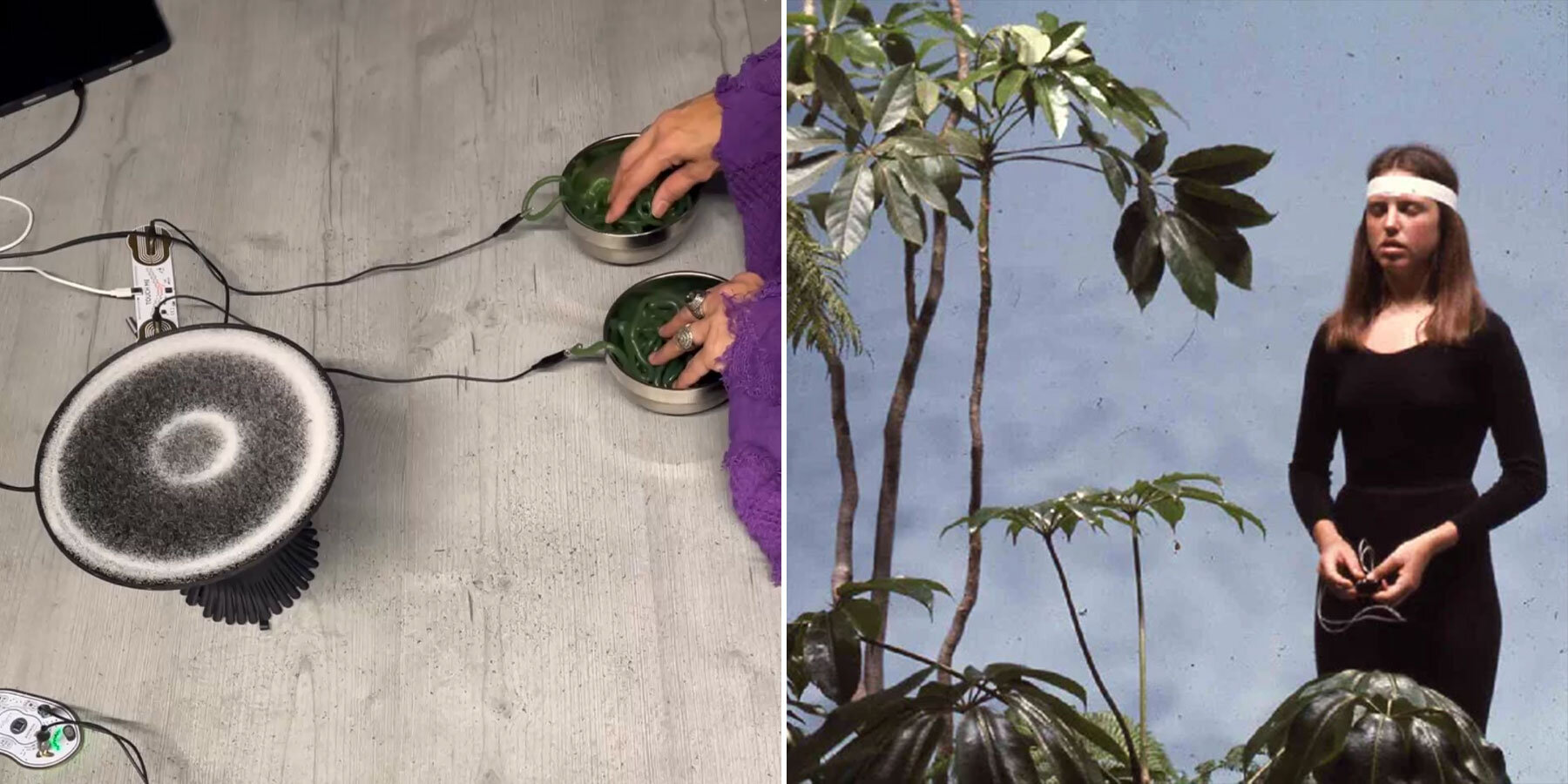
Artists and technologists are increasingly exploring the hidden dialogues of the natural world, transforming the inaudible signals of plants, fungi, and environmental systems into immersive sound environments. This emerging field, known as biosonification, translates biological data into audible experiences, fostering a sense of ecological intimacy and wonder.
The process involves placing sensors, such as electrodes or moisture meters, onto living organisms. These sensors pick up subtle electrochemical flickers and fluctuations. Through sophisticated software, synthesizers, and algorithms, these biological signals are then reinterpreted into sound waves. The resulting audio can manifest as gentle drones, simple melodies, rhythmic pulses, or complex harmonic textures, offering a new way to perceive the life processes around us.
It is crucial to understand that these artistic and technological endeavors do not claim that plants are literally speaking or composing music in a human sense. Instead, they highlight a growing cultural desire to listen beyond human perception. By building interfaces that translate forms of life exceeding our sensory capabilities, artists are creating emotional and aesthetic experiences that allow us to connect with these organisms on a different level.
Pioneering Plant Sonification
Some of the earliest contemporary explorations into plant sonification emerged in the early 2010s with projects like Data Garden and the MIDI Sprout, developed by artists Joe Patitucci and Alex Tyson. Their system utilized electrodes attached to plants to translate conductivity fluctuations into MIDI information, which could then be fed into synthesizers. This allowed plants like ferns and philodendrons to become generators of ambient compositions and unpredictable melodic structures. The Data Garden Quartet, for instance, featured four living plants connected to a sonification system, producing real-time “plant music.” Listeners described hearing “slow, undulating musical gestures of plants rendered through technology,” creating an ambient soundscape distinct from conventional music. This work drew inspiration from Brian Eno’s generative music concepts and 1960s biofeedback art, even referencing early experiments like Cleve Backster’s studies on plant electrical activity. Patitucci and his collaborators emphasize their role as artists aiming to foster wonder and understanding of plant consciousness rather than making scientific claims about plant emotions or communication.
Interactive Botanical Soundscapes
Beyond ambient generation, other artists have developed interactive installations that invite direct engagement with botanical sound. The French duo Scenocosme created Akousmaflore, described as a “garden of living musical plants.” In this installation, touching a plant leaf or flower triggers a specific tone, with each species possessing its own unique timbre. This allows visitors to become conductors of an organic orchestra, with a mint leaf potentially producing a soft bell tone and a fern emitting a bubbling synth sound. Similarly, artist Mileece constructs “sonic jungles,” indoor environments filled with plants whose touch or even breath triggers ambient drones. Her ongoing Soniferous Eden series creates immersive domes where lush plant life generates dynamic soundscapes in response to participant interaction. These experiences often evoke a sense of wonder, as visitors feel vines respond with sound, reminding them of nature’s subtle communications.
Tuning into the Subterranean and Microbial Worlds
The exploration of biosonification extends beyond the visible parts of plants to the hidden realms beneath the soil and into microbial life. Works like Marshmallow Laser Feast’s Poetics of Soil use film and sound to visualize fungal networks and subterranean activity. In one piece, an Amanita muscaria mushroom is depicted pulsing and glowing, accompanied by a narrative and score that suggest the mushroom is revealing “the hidden rhythms of the earth’s soil.” While visually CGI-driven, the audio mix and rhythm imply a living respiration.
Italian studio Anecoica’s FUNGI project takes this further by using 3D-printed ceramic sculptures, shaped like mycorrhizal networks, that physically resonate with sound generated from actual fungal network data. They map geolocated records of soil fungi onto sound parameters, producing haunting hymns. The music evolves as the fungal network grows or as visitors interact with the sculptures, guided by the digital meshwork of spores.
Artist Maya Chowdhry’s Fathoming Fungal Frequencies installation uses electrodes on pink oyster mushrooms to sonify microbial life. By stroking the fungus or breathing near it, a generative soundscape envelops the space. Chowdhry explains that this biodata sonification “gives [fungi] a voice in relation to their own ecosystem, and potentially in relationship to the human.” The accompanying video projection places the viewer at the mushrooms’ perspective, observing human interaction from their viewpoint.
A Growing Desire to Listen
Across these diverse projects, a common thread emerges: a profound sense of calm wonder and mutual curiosity. The dominant feeling is not one of technological hype, but rather an invitation to listen more deeply to the world around us. By translating the subtle electrochemical language of living organisms into sound, artists and technologists are not only creating new aesthetic experiences but also fostering a deeper appreciation for the complex, interconnected web of life. These sonic explorations offer a unique pathway to understanding and valuing the non-human elements of our planet, encouraging a more intimate and mindful relationship with nature.
Datos clave
| Concept | Description |
|—|—|
| Biosonification | The translation of biological data into sound. |
| MIDI Sprout | An early plant sonification system using electrodes and MIDI output. |
| Akousmaflore | An interactive installation where touching plants triggers musical tones. |
| Fungal Network Data | Used to generate evolving musical compositions in recent art projects. |
This development is significant for Paionia7 readers as it bridges the intersection of art, technology, and environmental consciousness. It showcases innovative applications of technology to understand and communicate with the natural world, a theme that resonates with discussions on sustainable design, ecological urbanism, and the broader cultural implications of technological advancement in our relationship with nature.
Fuente: Designboom – https://www.designboom.com/art/soft-frequencies-sonic-signals-plants-fungi-other-beings/
Datos clave
| Punto | Detalle |
|---|---|
| Fuente | Designboom |
| Fecha | 2026-05-29T21:10:50+00:00 |
| Tema | soft frequencies: amplifying sonic signals from plants, fungi and other beings |
Source
Designboom Original publication: 2026-05-29T21:10:50+00:00
Related news

Christopher Kane brings streamlined, heritage-driven vision to Mulberry in London Fashion Week debut
The Scottish designer presented his first collection for the British leather goods house at London Fashion Week, blending sharp tailoring, archival references…
Read more
When Film Directors Become Interior Designers: Guadagnino, Lynch, Anderson and Almodóvar Step Off Screen
From Luca Guadagnino’s Zara Home collection to David Lynch’s Paris club and Wes Anderson’s train carriage, a wave of collaborations is blurring…
Read more
Jesus Mari Lazkano Examines Changing Landscapes Through Painting and Animated Film at Basque Luxury Studio
The Basque artist’s exhibition ‘Azken Natura’ brings together six large-scale paintings and a 22-minute animated film that traces the melting of the…
Read more
Glenn Spiro opens intimate jewellery atelier in Mayfair with designer Valerie Name Bolaño
The London jewellery house’s new boutique at 26 Bruton Street blends antiques, bespoke furniture and a monochrome palette to create a residential…
Read moreRelated wiki

Adaptive Reuse in Architecture
Reference page for reuse, retrofit, conversion, embodied carbon and design constraints.
Read more