
Casa Gruta: A Contemporary Inhabitable Sculpture Inspired by Yucatán’s Cenotes and Caves
Salvador Román Hernández and Adela Mortera Villarreal have completed Casa Gruta in Valladolid, Mexico. The house is designed as a contemporary sculpture that evokes the geological formations of the Yucatán Peninsula, including caves, grottos, and cenotes, exploring spatial perception through light, shadow, and material
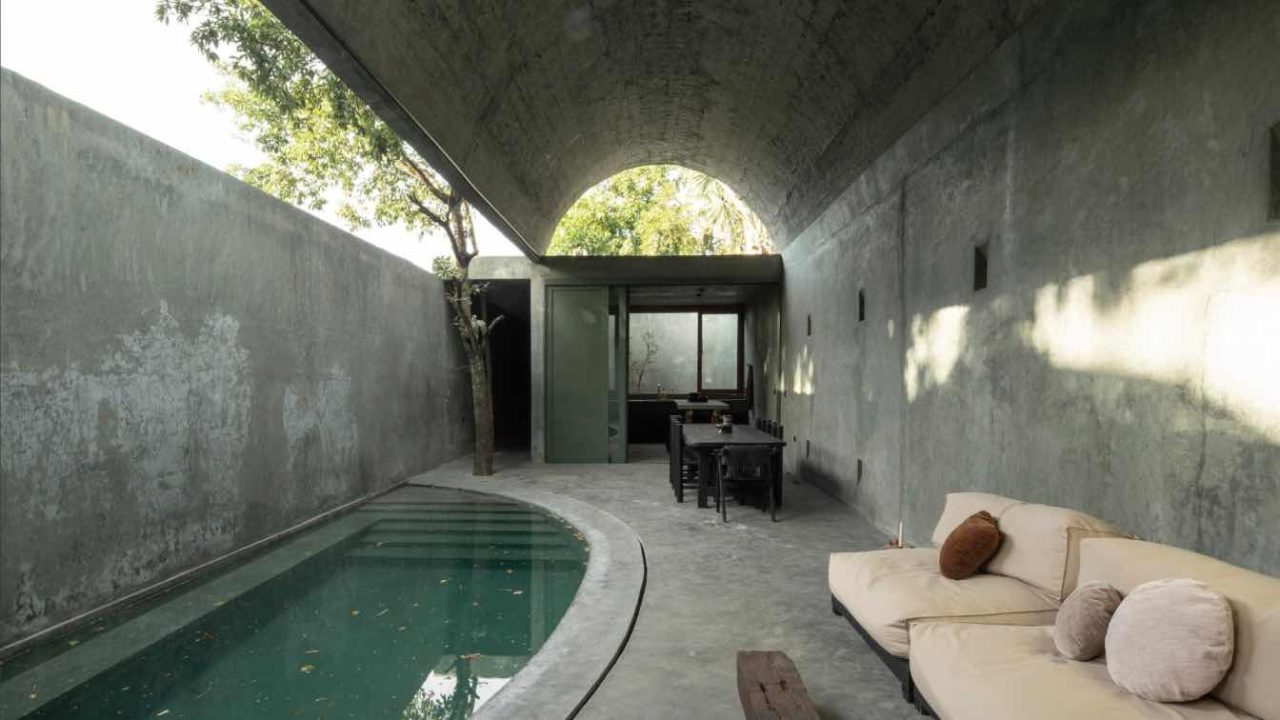
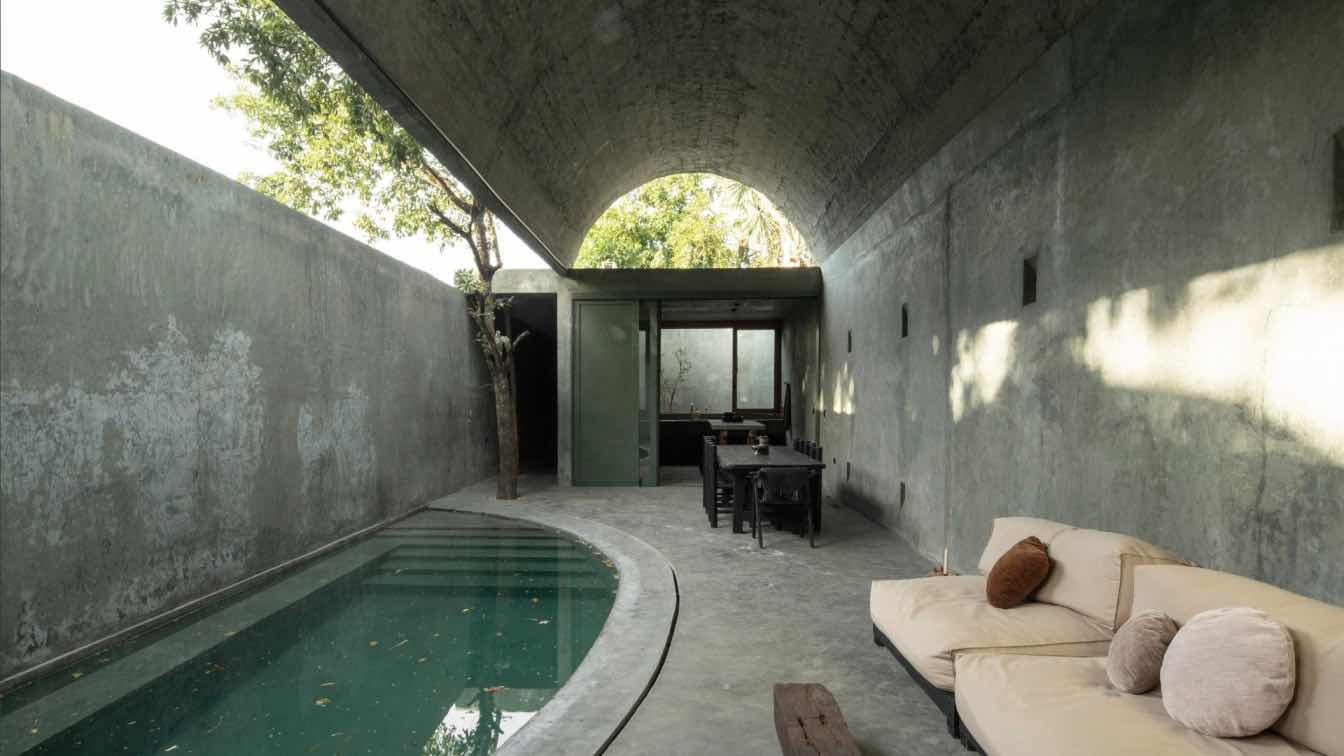
Architecture firm Salvador Román Hernández and Adela Mortera Villarreal has completed Casa Gruta, a residential project in the Sisal neighborhood of Valladolid, Mexico. The house is conceived as a contemporary inhabitable sculpture that draws directly from the geological formations of the Yucatán Peninsula, including caves, grottos, and cenotes.
The design explores the perception of space, scale, and materiality through a sculptural and architectural approach that evokes the experience of a natural refuge. Rather than simply solving spatial needs, the architects aimed to create a sensory journey that invites reflection on the passage of time and the relationship between the ephemeral and the eternal.
Spatial sequence inspired by cenotes
The design is driven by the spatial sequence found in underground caverns and cenotes, where tunnels, vaulted chambers, and clearings shape a visitor’s experience. Throughout the house, spaces alternately compress and expand, creating a succession of distinct spatial experiences. The architects have described this as a sensory journey that guides movement and perception through the home.
A restrained material palette draws directly from the colors and textures found within Yucatán’s natural landscapes. The interplay of light and shadow is central to the project, with openings and volumes calibrated to control how natural light enters and changes throughout the day.
| Key facts | |
|---|---|
| Project name | Casa Gruta |
| Location | Sisal neighborhood, Valladolid, Yucatán, Mexico |
| Architects | Salvador Román Hernández and Adela Mortera Villarreal |
| Design concept | Contemporary inhabitable sculpture inspired by Yucatán’s caves, grottos, and cenotes |
| Key feature | Spatial sequence of compression and expansion, light and shadow interplay |
Entrance ritual and the álamo tree
The entrance is marked by an álamo tree, which in the Yucatán has traditionally been regarded as a sign of nearby underground formations. This natural marker leads visitors into an open-air vestibule. The architects have stated that this gesture recalls the ancient Maya rituals performed before entering cenotes, establishing a connection between the house and the region’s pre-Hispanic heritage.
The house is conceived as a sanctuary for introspection. The architects describe it as a place that encourages reflection on the accelerated pace of contemporary life while fostering contemplation and a deeper connection with the passage of time.
About the architects
Salvador Román Hernández and Adela Mortera Villarreal are a husband-and-wife team of architects based in Mérida, Yucatán. They approach each project as an opportunity to create a living experience through a compelling narrative. Their practice focuses on shaping concepts and ways of life that emerge from a deep understanding of each client’s needs, aspirations, and sensibilities.
The architects have not disclosed the size of the house or the construction timeline. The project was shared through the architecture platform Amazing Architecture, with images by Alfredo Gonzalez.
Why this matters for architecture readers
Casa Gruta represents a growing trend in Mexican residential architecture that draws directly from local geology and cultural history rather than applying generic international forms. The project demonstrates how contemporary design can engage with pre-Hispanic spatial traditions—specifically the Maya relationship with cenotes and caves—without resorting to pastiche. For architects and designers interested in materiality, light, and spatial sequencing, the house offers a case study in how geological references can be translated into inhabitable space.
The project also highlights the work of a young practice based in Mérida, a city that has become a hub for experimental architecture in the Yucatán Peninsula. The region’s unique limestone geology, cenote systems, and Maya heritage provide a rich context for architectural exploration that is distinct from other parts of Mexico.
Source: Amazing Architecture – https://amazingarchitecture.com/houses/casa-gruta-valladolid-mexicoby-salvador-roman-hernandez-adela-mortera-villarreal
Source
Amazing Architecture Original publication: 2026-09-01T23:45:32+00:00
Related news
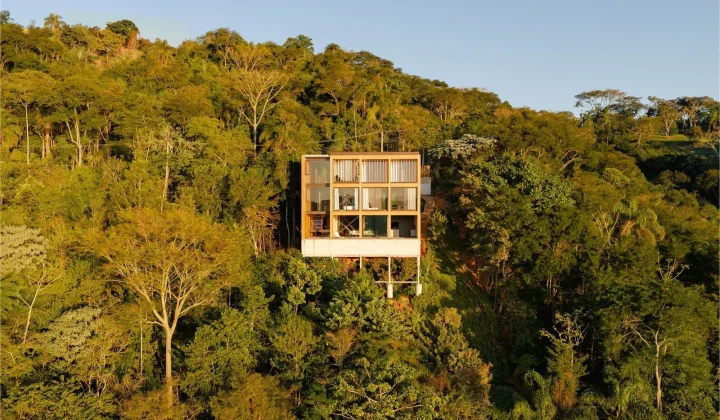
Rouxinol House Balances Steep Slope and Forest Preservation in Brazil’s Paraíba Valley
Sergio Sampaio Archi + Tectônica complete a house in Jacareí, São Paulo, that navigates a 50-meter slope and 300 surveyed trees to…
Read more
Manifesta 16 Turns Twelve Ruhr Churches into Art Venues for “This Is Not a Church”
The European Nomadic Biennial activates twelve churches across Essen, Gelsenkirchen, Duisburg, and Bochum with contemporary art, performances, and architectural interventions, exploring new…
Read more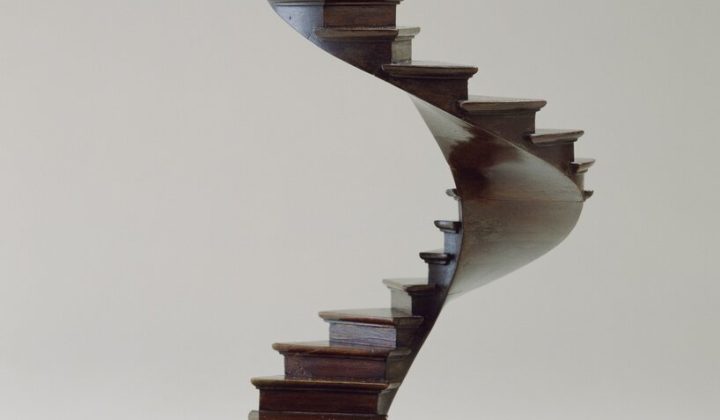
Cooper Hewitt’s Miniature Staircase Masterpieces Reveal Lost Craft and Guild Tradition
A 2006 exhibition of miniature model staircases at Cooper Hewitt, gifted by Eugene and Clare Thaw, showcases the forgotten craft of guild…
Read more
Brasserie Olivia brings French brasserie design to Sloane Square with B3 Designers and Pierre Frey interiors
The first London outpost of La Nouvelle Garde opens in the former David Mellor showroom, blending Gallic charm with contemporary touches from…
Read moreRelated wiki

Adaptive Reuse in Architecture
Reference page for reuse, retrofit, conversion, embodied carbon and design constraints.
Read more