
Cooper Hewitt’s Miniature Staircase Masterpieces Reveal Lost Craft and Guild Tradition
A 2006 exhibition of miniature model staircases at Cooper Hewitt, gifted by Eugene and Clare Thaw, showcases the forgotten craft of guild masterworks and offers a unique lens on architectural modeling.
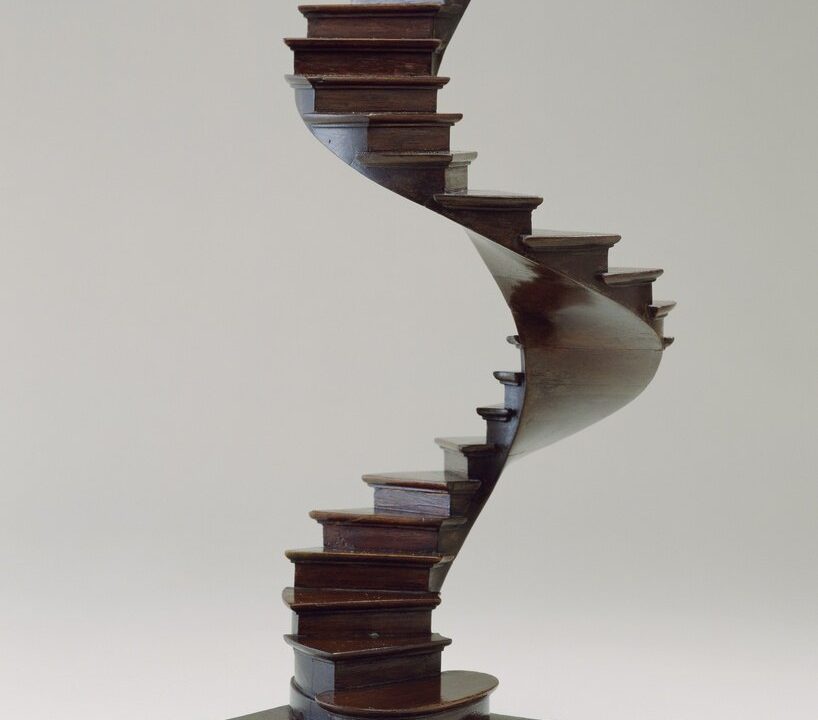
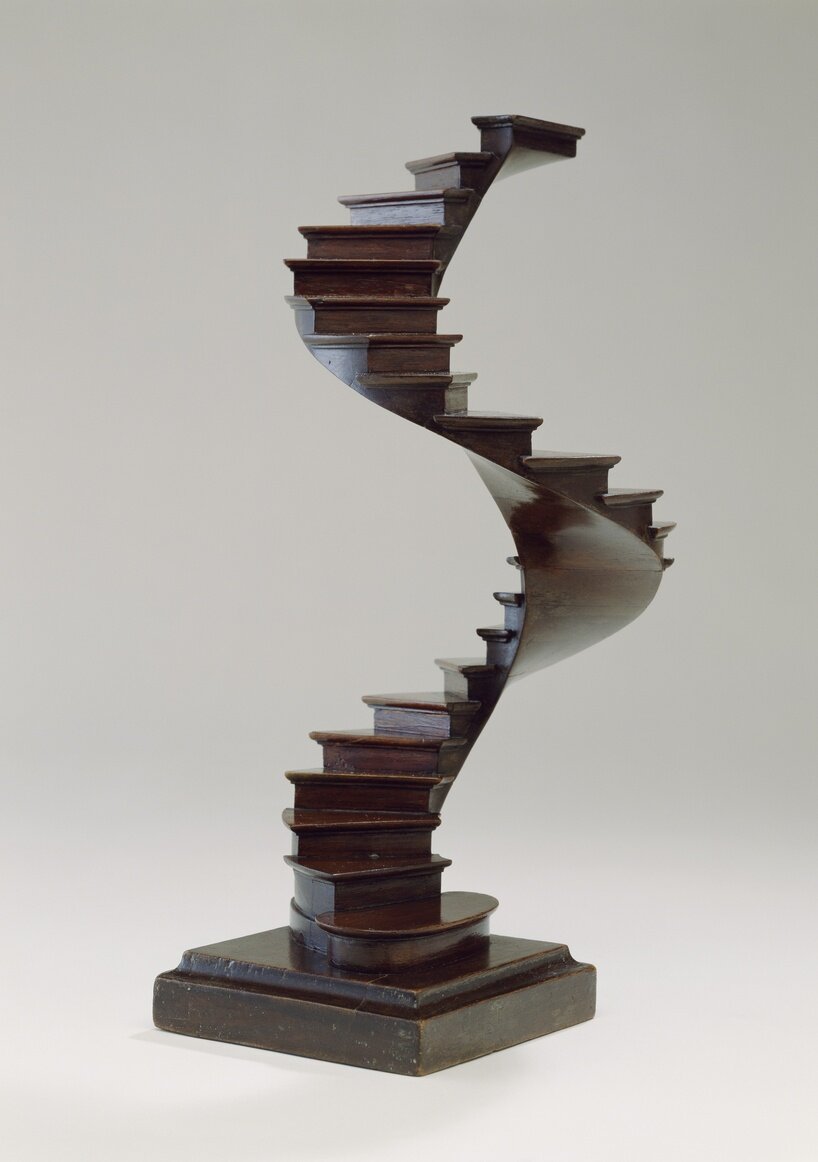
In 2006, the Cooper Hewitt, Smithsonian Design Museum in New York opened an exhibition that no visitor could climb. “Made to Scale: Staircase Masterpieces, The Eugene & Clare Thaw Gift” presented a collection of miniature model staircases, finely crafted from wood and metal, dating from the nineteenth and twentieth centuries. These tiny helixes and delicate balustrades, now part of the museum’s permanent collection, are more than architectural tests; they are records of a lost tradition of craftsmanship tied to France’s historic guild system.
The exhibition, which ran from October 13, 2006, to June 3, 2007, was curated by Sarah D. Coffin, then curator and head of Product Design and Decorative Arts at Cooper Hewitt. It featured models acquired over years by Eugene V. and Clare E. Thaw, who became fascinated with the form after seeing one displayed like a statuette in a friend’s home.
Key facts
| Aspect | Detail |
| — | — |
| Exhibition | Made to Scale: Staircase Masterpieces, The Eugene & Clare Thaw Gift |
| Venue | Cooper Hewitt, Smithsonian Design Museum, New York |
| Dates | October 13, 2006 – June 3, 2007 |
| Curator | Sarah D. Coffin, former curator and head, Product Design and Decorative Arts |
| Donors | Eugene V. and Clare E. Thaw |
The guild origins of the models
In a 2006 interview published in the exhibition brochure, Eugene Thaw explained to Sarah Coffin that the models were not mere decorative objects. They were “pièces de maîtrise,” or masterworks, created as part of the process of becoming a master craftsman and being accepted into a guild. This tradition was central to the French “compagnonnage” system, which trained promising young men in specific trades outside of the traditional master-apprentice or family-based knowledge transfer.
Coffin’s exhibition text provides historical context, noting that staircases have been part of building design since approximately 6000 BC. She describes how apprentices in the guild system lived and ate meals in monastic-style boarding houses, dedicating years to perfecting their craft. Drafting and building a staircase model was a sign of training and mastery, a rigorous test of skill that could take months to complete.
Aesthetic breadth and technical precision
The collection includes models that range from the restrained to the wildly inventive. One model, described as a “double staircase model in English style” from 1850-1875, features four staircases converging at a sub-platform, with another four splaying out at a 90-degree shift to reach a raised walkway. Made from walnut, mahogany, and satinwood, it is decorated with curving, spun details. Another model, a semi-circular staircase from the mid-to-late 19th century, shows a more reserved single spiral with simple geometric steps, its restraint feeling surprisingly contemporary.
For architects and designers, these models are more than historical curiosities. They are useful references for modeling structure to scale, capturing the intricate relationship between human proportions and built space. A staircase must fit the foot, its handrail must land at a comfortable height, and its angle must efficiently move a person between levels. At a smaller scale, these models allow one to see the entire form and appreciate its technical achievement alongside its aesthetic flair.
Why this matters for design culture readers
For the audience of Paionia7, this exhibition and the Thaw gift offer a tangible link between the history of craft and contemporary design practice. The models demonstrate that architectural modeling is not merely a functional exercise but a form of artistic expression that requires years of discipline. They also highlight the value of private collecting in preserving knowledge that might otherwise be lost. The Thaws’ gift made these masterworks available to the public, providing a resource for architects, historians, and anyone interested in the intersection of art and utility.
The exhibition also raises questions about the role of craft in an age of digital modeling and mass production. These staircases, made by hand over weeks or months, represent a level of skill that is increasingly rare. They remind us that the best design often emerges from a deep understanding of materials, proportions, and the human body.
Source: This article is based on the exhibition “Made to Scale: Staircase Masterpieces, The Eugene & Clare Thaw Gift” at Cooper Hewitt, Smithsonian Design Museum, and an interview with Eugene Thaw by Sarah D. Coffin, as reported by Designboom. Source: Designboom (https://www.designboom.com/design/art-miniature-staircases-cooper-hewitt-design-museum/).
Datos clave
| Punto | Detalle |
|---|---|
| Fuente | Designboom |
| Fecha | 2026-08-29T20:35:52+00:00 |
| Tema | the art of the miniature staircases at cooper hewitt design museum |
Source
Designboom Original publication: 2026-08-29T20:35:52+00:00
Related news
Scaffolding as Interior Architecture: Adaptable Systems Challenge the Divide Between Temporary and Permanent
A new article by Jonathan Yeung examines how modular scaffolding systems, from steel frames to Dieter Rams’ shelving, demonstrate that longevity in…
Read more
MIV Architects Proposes Wetland Pavilion That Prioritizes Non-Human Habitats Over Human Comfort
The Spanish firm’s “Nidos de Agua” concept for the Albufera natural park in Valencia aims to rebalance the relationship between building and…
Read more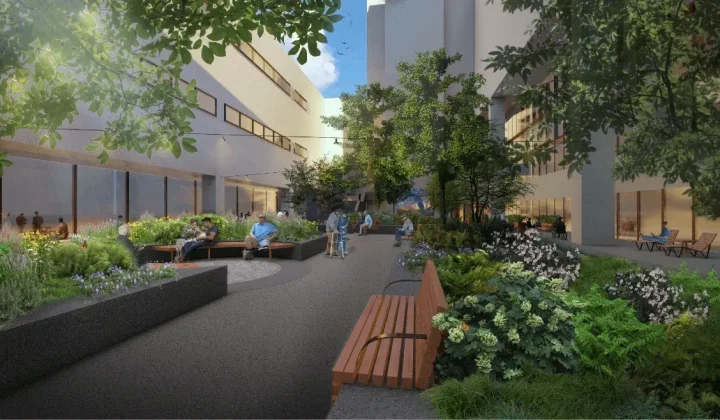
Nelson Byrd Woltz Begins Construction on Restorative Eagle Courtyard at Walter Reed Medical Center
Construction has started on a redesigned Eagle Courtyard at Walter Reed National Military Medical Center, led by Nelson Byrd Woltz Landscape Architects.…
Read more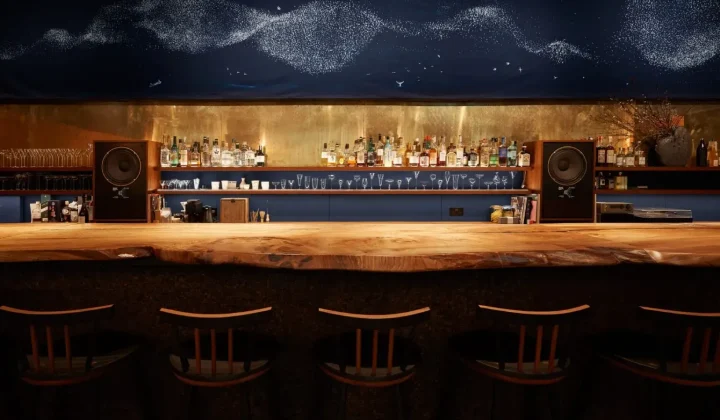
London’s listening bar boom reflects a deeper shift in hospitality design and music culture
A wave of Japanese-inspired listening bars is reshaping London’s nightlife, but owners and critics are asking whether the concept can survive commercial…
Read moreRelated wiki

Adaptive Reuse in Architecture
Reference page for reuse, retrofit, conversion, embodied carbon and design constraints.
Read more