
Kleinewelt Architekten Unveils Plans for Central House of Cinema Complex in Moscow
Kleinewelt Architekten has proposed a significant mixed-use development for the Union of Cinematographers of Russia, integrating cultural, residential, and commercial functions with underground parking in Moscow's Presnensky District.
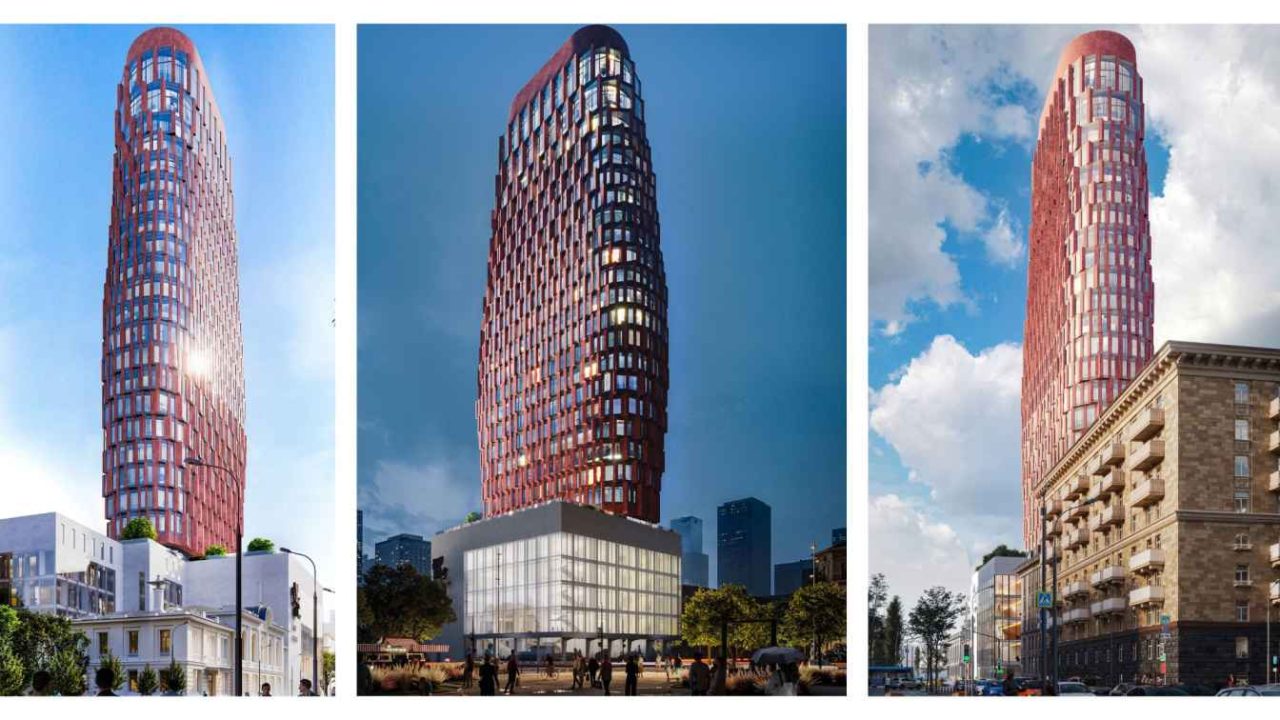
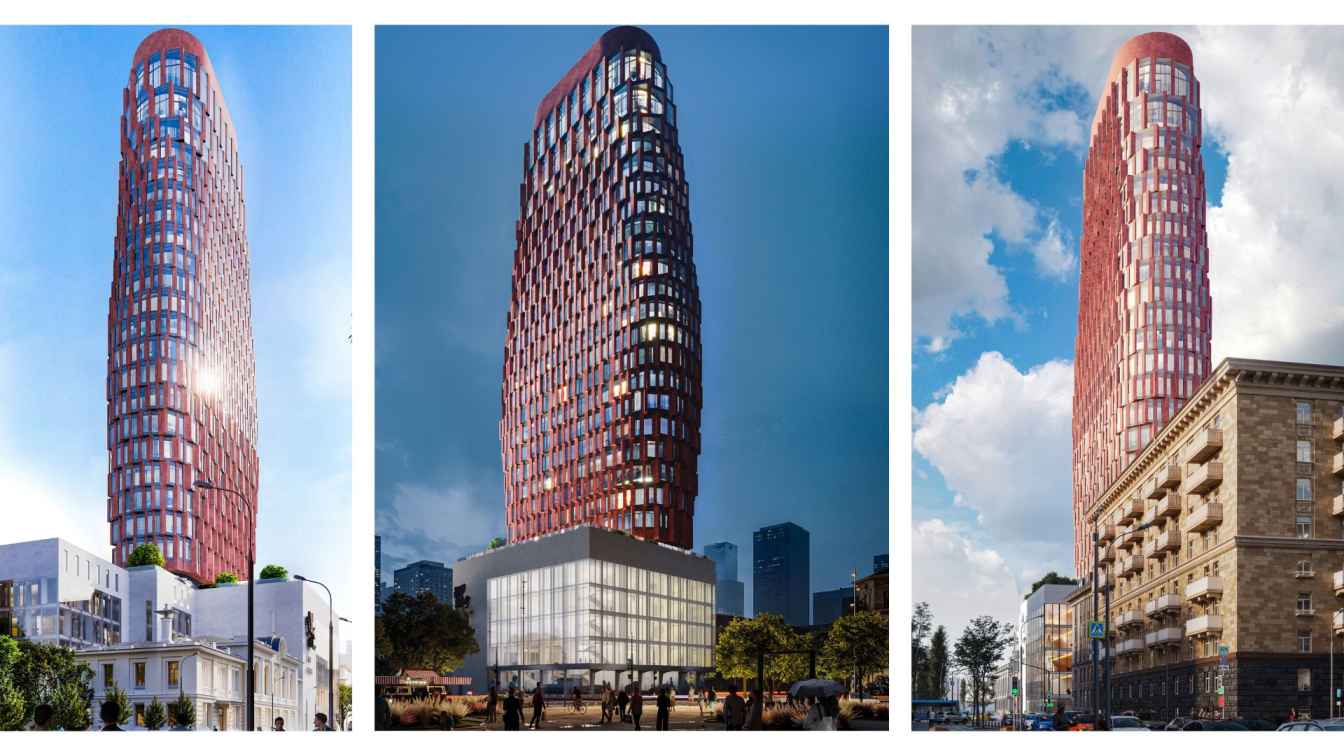
Kleinewelt Architekten has put forth a comprehensive proposal for the Central House of Cinema, a new cultural and leisure center for the Union of Cinematographers of Russia, situated at 13 Vasilyevskaya Street in Moscow’s Presnensky District. The project envisions a multifaceted complex that seamlessly integrates public cultural functions with private residential spaces and essential underground parking infrastructure. This development aims to revitalize a key site within the Central Administrative Okrug, contributing to the urban fabric of central Moscow.
The design concept, spearheaded by architects Sergey Pereslegin, Nikolay Pereslegin, and Georgy Trofimov, conceives the site as a unified composition where public and residential programs coexist. The lower sections of the complex are dedicated to the cultural and leisure activities of the House of Cinema, designed to be a highly visible and accessible public interface. Above this vibrant cultural hub, the residential component rises, offering private living spaces. Beneath the entire structure lies a four-level underground car park, complete with necessary technical rooms and supporting infrastructure, ensuring functional efficiency and minimal disruption to the streetscape.
Key facts
- Project Title: Central House of Cinema
- Location: 13 Vasilyevskaya Street, Building 1, Presnensky District, Moscow, Russia
- Architects: Kleinewelt Architekten (Sergey Pereslegin, Nikolay Pereslegin, Georgy Trofimov)
- Program: Cultural and leisure center, residential, underground parking
- Height of Residential Tower: 135 meters
Urban Integration and Architectural Contrast
A central tenet of the project’s urban strategy is its careful relationship with the existing context of Vasilyevskaya Street. The low-rise public building is designed to continue the street frontage, respecting the scale and cornice lines of the surrounding development. This creates a pedestrian-friendly presence at street level, fostering a sense of continuity and integration. Rising above this grounded public base is a residential tower, designed to provide a vertical accent that complements the density of central Moscow while maintaining a sense of elegance. This dual approach allows the complex to be perceived in distinct parts: an active, public urban frontage and an independent, soaring residential volume.
The architectural language employed by Kleinewelt Architekten emphasizes a deliberate contrast between these two primary components. The lower public volume is characterized by transparency, featuring extensive large-format glazing that renders the interior spaces visible and invites engagement from the city. This open, light-filled design presents itself not as a closed podium but as an integral part of the urban realm. The visible internal life of the cultural center, coupled with a prominent, tall glazed entrance, positions this section as the project’s primary urban display, particularly during evening hours.
In contrast, the residential tower presents a softly rounded silhouette and a gently tapering vertical form. Its outline is conceived as a continuous, cohesive volume with subtly softened corners and a restrained curvature in its façade. This design choice imbues the tower with a slender profile, avoiding excessive monumentality despite its considerable height of 135 meters. The façade of the residential portion is articulated through a repeating vertical module that creates a pronounced relief, adding depth and responsiveness to light. External finishes are specified to include glass-fibre-reinforced concrete panels in a pink marble tone, insulated glazing units within aluminium frames, opaque glazed fragments with anodised aluminium and Black quartz coating, metal cassettes, and steel railings. This material palette contributes to a façade that is not flat but built from projecting vertical elements and recessed glazed areas, imbuing the building with rhythm, shadow, and texture without resorting to excessive ornamentation.
Preserving Heritage and Enhancing Public Realm
The project also acknowledges and integrates with the historic surroundings of the street. While the House of Cinema is renewed to maintain its cultural purpose, the architects have strategically avoided creating visual conflict with the existing context. This is achieved by maintaining a calmer and more neutral material and color palette for the base, thereby shifting the main expressive emphasis upwards to the residential volume. This thoughtful approach ensures that from the street, the public building is perceived first, in proportion with its neighbors, while the tower gradually reveals itself from further back and above, contributing to a clear and coherent perception of the overall composition.
Beyond the built form, the landscape design is a crucial element of the project, aiming to create an intimate and well-finished urban environment. Proposed features include granite paving, timber decking, planted retaining walls, custom-made benches, integrated seating areas, and ornamental planting, complemented by a sculptural element. This considered approach to the courtyard and adjoining outdoor spaces aims to connect seamlessly with the architecture of the lower floors, providing usable and aesthetically pleasing areas for everyday use by residents and visitors alike. The project materials indicate that a preserved heritage building on the site is addressed separately in the axonometric drawings, suggesting careful consideration for its integration or preservation within the new development.
The proposed Central House of Cinema represents a significant architectural intervention in Moscow, balancing the demands of a mixed-use program with a sensitive approach to urban context and heritage. The design offers a contemporary vision for a cultural institution, aiming to enhance its public role while providing modern residential amenities. The transparent and engaging base, contrasted with the elegant residential tower, aims to create a landmark that is both contextually appropriate and visually striking.
Source: Amazing Architecture – https://amazingarchitecture.com/visualization/central-house-of-cinema-moscow-russia-by-kleinewelt-architekten
Source
Amazing Architecture Original publication: 2026-05-26T01:16:09+00:00
Related news
Freddie Mercury’s stage costumes go on display at V&A in free 2026 exhibition
The V&A marks the 80th anniversary of Freddie Mercury’s birth with ‘Splendid Things’, a free exhibition of eight iconic looks lent by…
Read more
Armenian Designer Shushana Khachatrian Debuts ‘The Woman’s Chair,’ a Deliberately Uncomfortable Reflection on Social Structures
Armenian designer Shushana Khachatrian's 'The Woman's Chair' uses polished stainless steel and a deliberately unstable geometry to question expectations around comfort, posture,…
Read more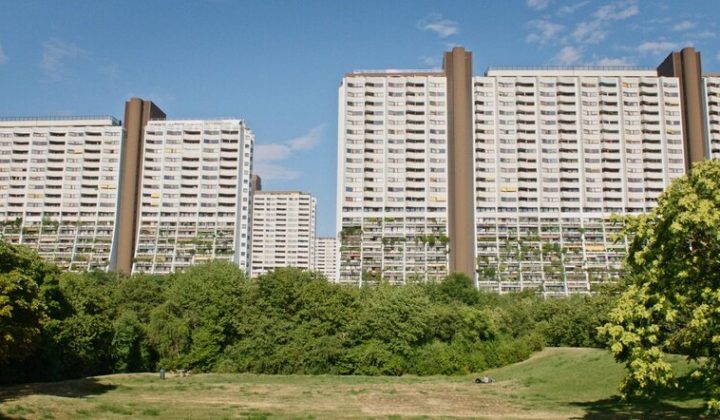
27 Storeys Documentary Revisits Vienna’s Alterlaa and the Utopian Promise of Collective Living
Director Bianca Gleissinger returns to her childhood home in the Alterlaa housing complex to explore how a 1970s social housing project achieved…
Read more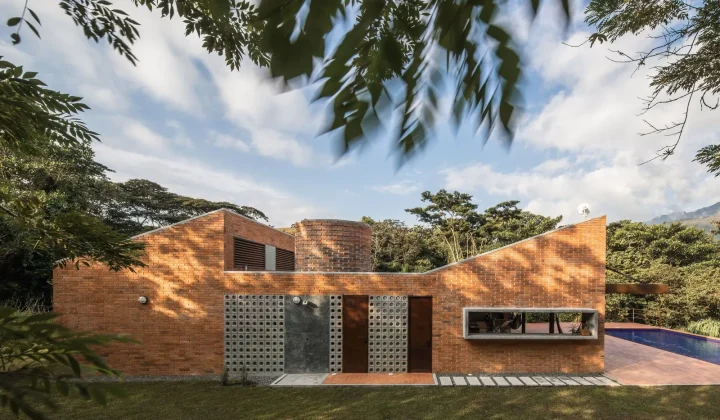
12 Colombian Houses Showcase the Enduring Appeal of Exposed Brick
ArchDaily highlights a dozen Colombian homes that use exposed brick as a structural and aesthetic statement, reflecting the material's deep roots in…
Read moreRelated wiki

Adaptive Reuse in Architecture
Reference page for reuse, retrofit, conversion, embodied carbon and design constraints.
Read more