Commercial Roofing Systems: A Guide for Architects and Developers
Architects and developers must consider climate, durability, energy efficiency, and maintenance when selecting commercial roofing systems for optimal building performance and cost-effectiveness.
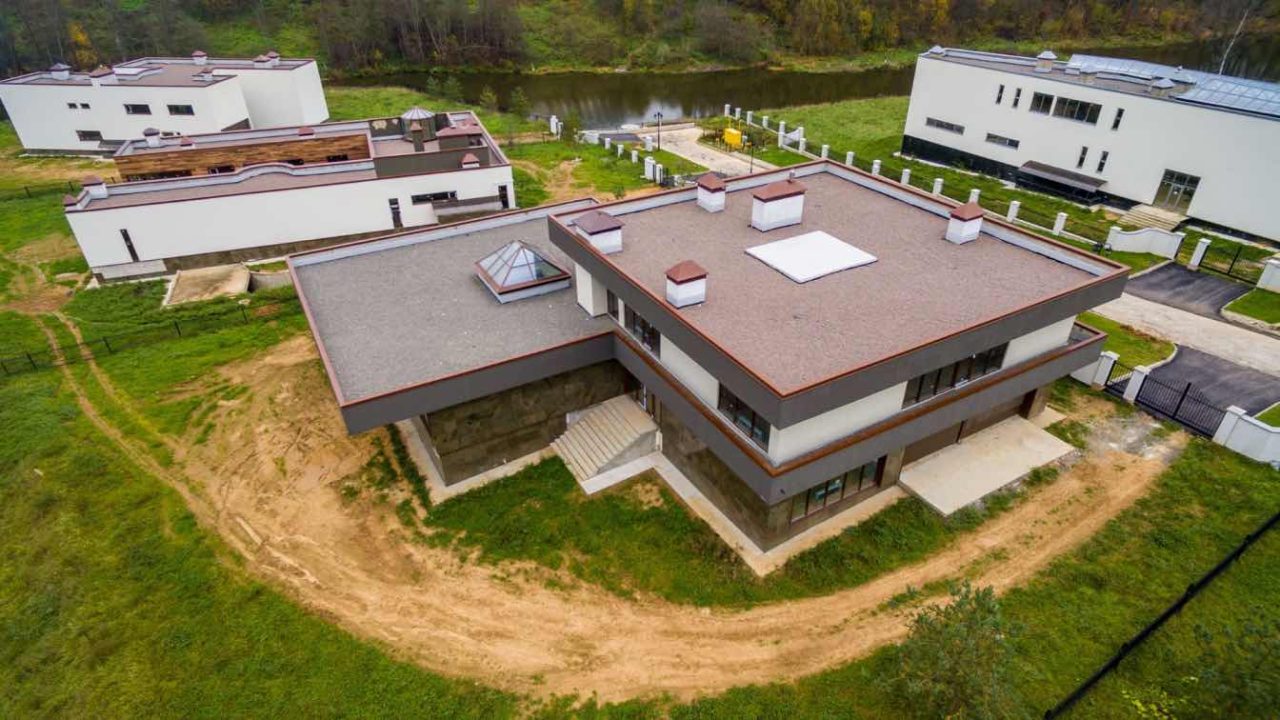
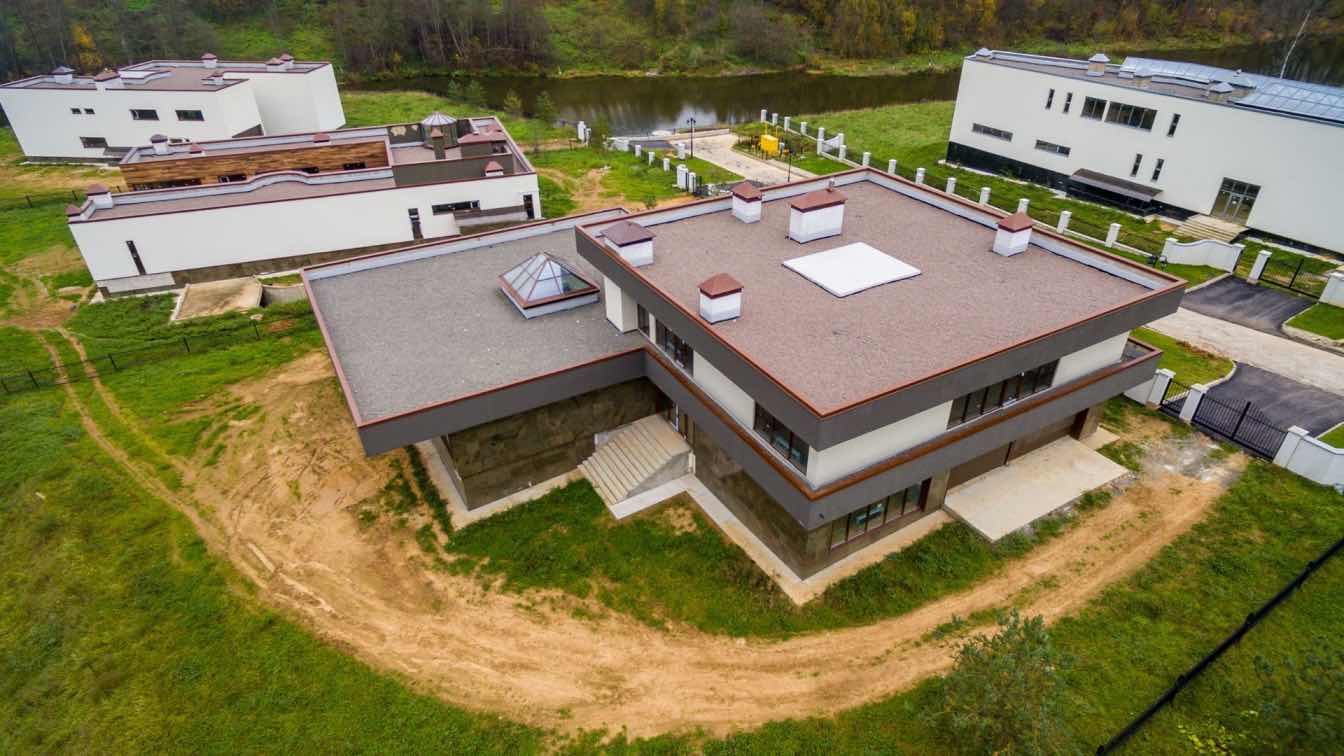
The selection of a commercial roofing system is a critical decision that significantly impacts a building’s structural integrity, energy efficiency, maintenance requirements, and long-term project costs. Often treated as an afterthought, the roof should be considered a core design element from the outset to ensure optimal building performance and ownership cost. Unlike residential roofing, commercial applications typically involve low-slope or flat surfaces that demand specialized waterproofing strategies, drainage systems, and advanced material technologies.
Understanding the distinct characteristics of major commercial roofing systems and the factors influencing their selection is paramount for architects and developers. This knowledge helps prevent mismatches between roofing solutions and building programs, which can lead to premature failures and budget overruns.
Key Factors in Roofing System Selection
The choice of a commercial roofing system is influenced by several crucial factors:
Climate: Regional weather patterns, including temperature extremes, UV exposure, precipitation, and severe storm potential, dictate the required durability and performance of the roofing material. For instance, the Carolinas require systems that can withstand both intense summer heat and periodic severe storms.
Durability and Longevity: The expected service life of the roofing system and its ability to withstand wear and tear, foot traffic, and rooftop equipment are essential considerations.
Energy Efficiency: Reflective or “cool roof” materials can significantly reduce a building’s cooling load by reflecting solar radiation, leading to energy savings.
Maintenance Requirements: The ease and cost of maintaining the roofing system over its lifespan are important for long-term operational expenses.
Project Budget: The initial installation cost must be balanced against the system’s expected performance and lifespan.
Types of Commercial Roofing Systems
Several types of commercial roofing systems are commonly used, each with its own advantages and disadvantages:
TPO (Thermoplastic Polyolefin)
TPO has become a dominant single-ply membrane system due to its strong energy performance, reflecting solar radiation with its typically white or light-colored surface. Seams are heat-welded for a continuous bond, offering competitive installed costs relative to its service life. However, the quality of heat welds is highly dependent on installer skill, and TPO may lack dimensional stability in roofs subject to significant thermal cycling or complex geometry.
EPDM (Ethylene Propylene Diene Monomer)
EPDM is a long-established rubber membrane, standardly black, which can limit energy performance in hot climates but aid in snow and ice melt in colder regions. Fully adhered EPDM with properly treated seams has a strong track record for longevity. Ballasted EPDM, secured with river stone, is a cost-effective option for large, simple roofs. EPDM seams use adhesive bonding, which some find more forgiving than heat welding, but still require careful preparation and are a potential vulnerability.
PVC (Polyvinyl Chloride)
PVC membranes offer superior chemical resistance, making them ideal for applications involving grease, oils, or chemical discharge, such as restaurants and food processing facilities. Like TPO, PVC seams are heat-welded, making them susceptible to installer quality. PVC is generally the most expensive single-ply option, typically chosen when its specific performance characteristics justify the premium.
Modified Bitumen
Modified bitumen systems, available in APP (atactic polypropylene) and SBS (styrene butadiene styrene) variants, are multi-layer systems providing redundant waterproofing. Applied by torch, cold adhesive, or self-adhesion, they are well-suited for roofs with mechanical equipment, heavy foot traffic, or complex details requiring high puncture resistance. These systems perform reliably in various climates and have a long history of successful application.
Metal Roofing
Standing seam metal roofing is increasingly specified for its longevity and aesthetic appeal, with service lives of 40 to 60 years achievable with minimal maintenance. It is appropriate for steep-slope commercial applications and buildings where the aesthetic aligns with the program. Exposed fastener systems are less expensive but require periodic maintenance and have shorter lifespans.
Built-Up Roofing (BUR)
BUR, the original flat roofing system, consists of multiple layers of bitumen and reinforcing fabric. While largely replaced by newer systems in new construction, it remains a viable option for restoring or overlaying existing BUR roofs. Its extensive track record means experienced contractors can still execute it effectively.
The importance of proper specification and installation cannot be overstated. A well-specified and expertly installed TPO roof can outperform a higher-spec system that is poorly executed. Architects and developers must collaborate with experienced roofing contractors who understand local conditions and can ensure the chosen system meets the building’s specific needs and long-term performance expectations.
Datos clave
System Type | Key Feature | Best Application
TPO | Reflective, heat-welded seams | General commercial low-slope
EPDM | Durable rubber membrane, adhesive seams | Various applications, cost-effective ballasted option
PVC | Excellent chemical resistance | Food service, chemical facilities
Modified Bitumen | Multi-layer, puncture resistant | High traffic, complex roofs
Metal Roofing | Long-lasting, aesthetic | Steep slope, industrial, mixed-use
This information is crucial for architects and developers aiming to design and construct buildings that are not only aesthetically pleasing but also highly functional, energy-efficient, and cost-effective to maintain over their lifecycle. By treating the roof as an integral design element, stakeholders can achieve superior building performance and reduce long-term ownership expenses.
Fuente: Amazing Architecture – https://amazingarchitecture.com/articles/commercial-roofing-systems-explained-how-architects-and-developers-choose-the-right-roof
Datos clave
| Punto | Detalle |
|---|---|
| Fuente | Amazing Architecture |
| Fecha | 2026-05-27T18:05:32+00:00 |
| Tema | Commercial Roofing Systems Explained: How Architects and Developers Choose the Right Roof |
Source
Amazing Architecture Original publication: 2026-05-27T18:05:32+00:00
Related news
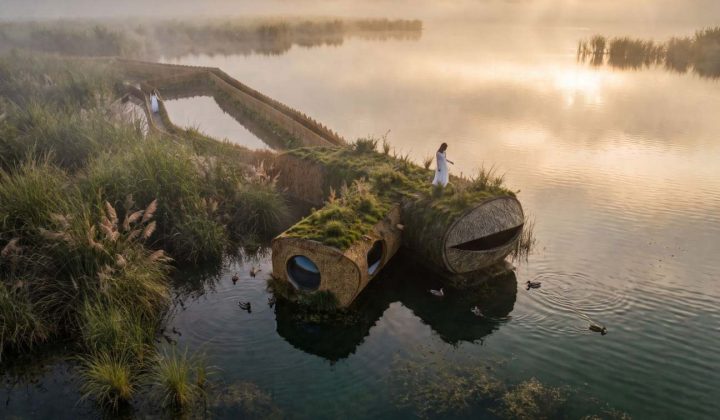
MIV Architects Proposes Wetland Pavilion That Prioritizes Non-Human Habitats Over Human Comfort
The Spanish firm’s “Nidos de Agua” concept for the Albufera natural park in Valencia aims to rebalance the relationship between building and…
Read more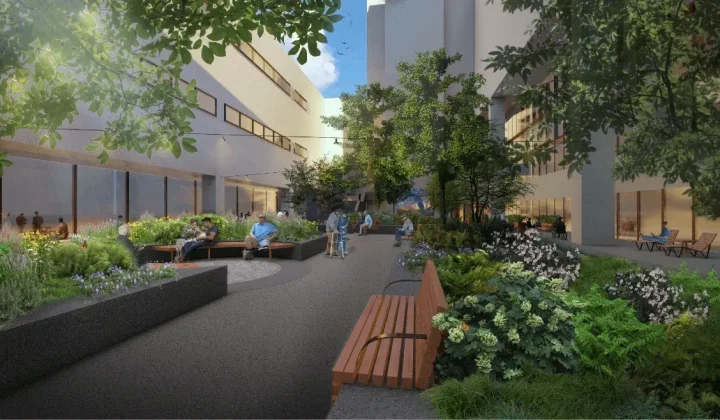
Nelson Byrd Woltz Begins Construction on Restorative Eagle Courtyard at Walter Reed Medical Center
Construction has started on a redesigned Eagle Courtyard at Walter Reed National Military Medical Center, led by Nelson Byrd Woltz Landscape Architects.…
Read more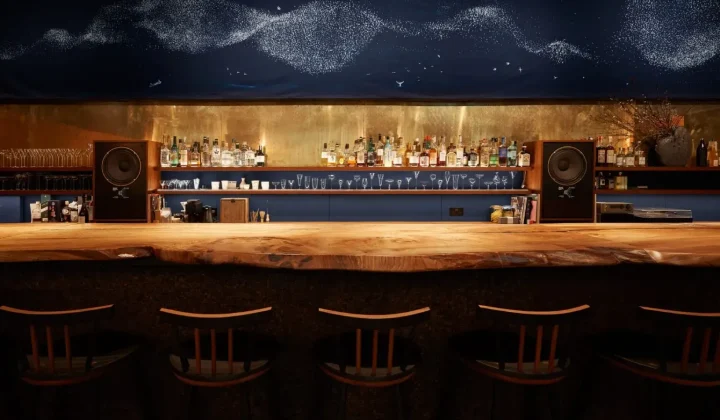
London’s listening bar boom reflects a deeper shift in hospitality design and music culture
A wave of Japanese-inspired listening bars is reshaping London’s nightlife, but owners and critics are asking whether the concept can survive commercial…
Read more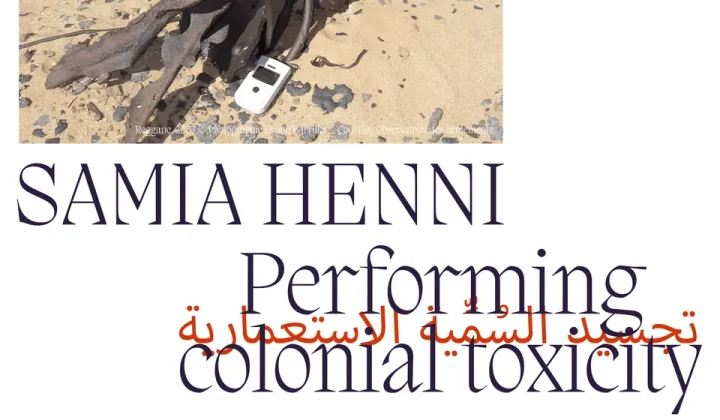
Performing Colonial Toxicity Exhibition in Valencia Examines Architecture’s Role in Nuclear Colonialism
From 24 October to 1 November 2026, Aguas Internacionales in Valencia hosts Samia Henni’s exhibition on French nuclear testing in the Algerian…
Read moreRelated wiki

Adaptive Reuse in Architecture
Reference page for reuse, retrofit, conversion, embodied carbon and design constraints.
Read more