
Designboom Highlights Innovative Seating from Copenhagen’s 3daysofdesign
Designboom shares a curated selection of standout chairs and seating installations from the recent 3daysofdesign event in Copenhagen, showcasing material experimentation and avant-garde prototypes.
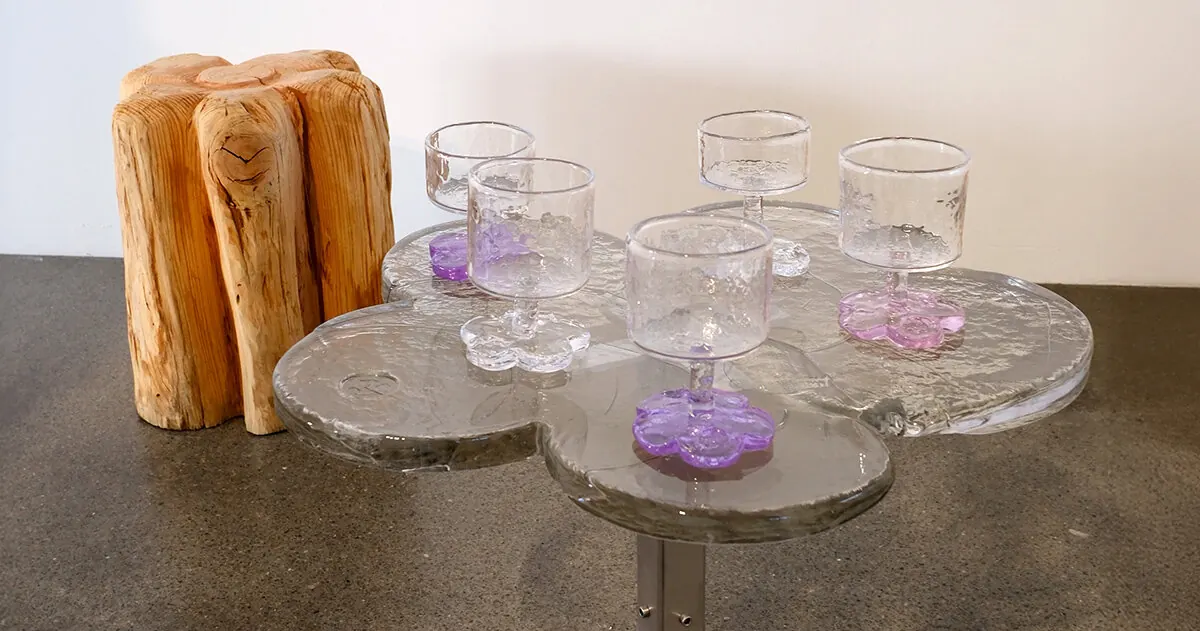
Copenhagen’s recent 3daysofdesign event was a showcase of innovative seating, with Designboom highlighting a range of pieces that moved from material experiments to avant-garde prototypes. The Danish capital transformed into a hub for designers, presenting seating solutions in various settings, from intimate garage installations to expansive museum displays and group exhibitions.
Emerging designers, particularly those featured at spaces like Other Circle and Ukurant, presented works that emphasized a handcrafted aesthetic. These pieces often featured visible joins, unconventional proportions, and materials that retained a sense of their origin. Larger presentations, meanwhile, integrated chairs into more complete environments, conceptualizing them as elements that shape spaces for rest and social interaction.
The experience of seeing these works in person, as noted by Designboom, offered a different perspective than viewing them online. The interplay of materials, forms, and contexts contributed to a unique appreciation of each design.
Innovative Designs on Display
At Ukurant, an exhibition dedicated to emerging designers, the Bend Chair and Bend Stool by Copenhagen-based studio Oberdoerfer & Krebs stood out. These pieces began with 3D-printed sheets that were then heated and shaped by hand. The design leverages the material’s properties, allowing it to bend only where the geometry permits, resulting in furniture that retains the memory of its sheet form while adopting a functional posture. The appeal lies in the tension between digital fabrication and manual shaping, control and softness.
Niko June’s “Bouquet Theory” series, showcased at Other Circle, presented objects that bridge furniture and still life. The Copenhagen workshop utilized found industrial fragments, old mold parts, steel profiles, and leftover components, assembling them into unique pieces. These works exude a confidence derived from being loosely gathered rather than meticulously designed from scratch, with each element carrying a trace of its past life. The emphasis is on roughness and accidental character, shaping the presence of the work in a room.
Dutch architecture studio UNS introduced Gradas for the Spanish furniture brand Sancal. This piece translates the logic of public stepped seating into an indoor furniture system. Moving beyond the singular chair, Gradas offers a small architecture of sitting, allowing individuals to perch, gather, or occupy the same object in multiple ways. The stepped form brings the language of plazas and auditoriums to an individual scale, creating a social structure as much as a bench.
Mati Sipiora’s Poodle Armchair offered a playful take on a familiar form. Its polished stainless steel frame and soft upholstered seat create a cartoon-like outline, with the reflective metal lending a sharp, precise quality. The proportions are humorous, particularly the way the frame curls around the seat. The chair’s softness is enhanced by its patterned, Dalmatian-inspired textile, contrasted against the coolness of the steel.
Caspar Fischer’s To Brick or Not to Brick presented seating as an open-ended system. Built around a modular grid and a unique connection method, the project invites users to assemble and adapt their own furniture from repeatable parts. At Ukurant, this modular logic gave the work a playful and architectural quality, functioning as a construction kit, domestic object, and spatial prototype. It positions the chair as a prompt for user participation, exploring the agency users have once a furniture system is released from the designer’s hands.
Shared Spaces and Reduced Forms
Vipp’s Copenhagen campus featured a significant conversation pit by Danish design brand Vipp and Barcelona-based architecture studio Mesura. This installation expanded the concept of seating into a shared landscape. Constructed from sections of Vipp’s modular Loft sofa, the installation transformed the courtyard and garage into a temporary playhouse. Wrapped in plaid textiles, it was shaped for rest, conversation, and gathering, emphasizing a spatial rather than purely sculptural strength. The low, sunken typology of the conversation pit was designed to slow the body and draw people toward the center.
Max Lamb’s Min Chair for Hem represented a deliberately reduced form. Constructed from pine posts cut diagonally to create the legs, back, and seat, the chair embodies an economy of material and action. Seen within the group exhibition Design Starts on Paper, the chair translated drawing into solid form with a blunt, prototype-like quality, yet possessed the clarity of a refined object.
Verner Panton’s Welle Lounge series brought a distinct presence to Designmuseum Danmark, its long upholstered wave engaging in a dialogue with other Panton designs within the museum’s collection.
Key facts
| Feature | Description |
|---|---|
| Event | 3daysofdesign Copenhagen |
| Focus | Innovative seating designs |
| Highlights | Material experiments, avant-garde prototypes, modular systems, handcrafted elements |
| Featured Designers/Studios | Oberdoerfer & Krebs, Niko June, UNS, Mati Sipiora, Caspar Fischer, Vipp/Mesura, Max Lamb, Verner Panton |
The diverse range of seating solutions presented at 3daysofdesign and highlighted by Designboom underscores evolving approaches to furniture design. From user-configurable systems to sculptural forms and material explorations, these pieces offer new perspectives on how we interact with and inhabit spaces.
Source: Designboom, https://www.designboom.com/design/chair-spotting-copenhagen-favorites-3daysofdesign-other-circle-ukurant-denmark/
Source
Designboom Original publication: 2026-06-16T02:27:58+00:00
Related news
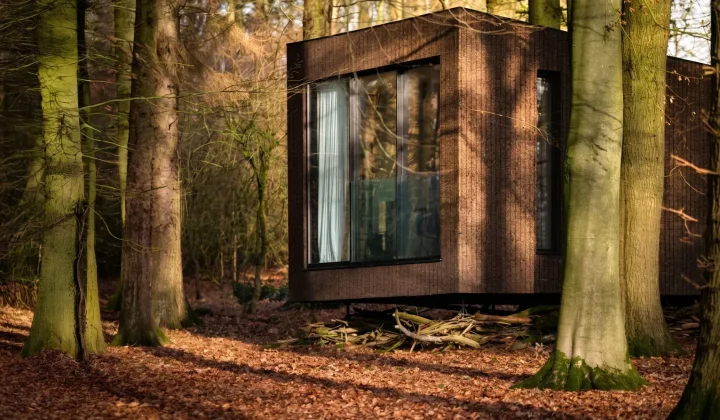
Koto launches Haku, a mobile prefab hotel suite built on a wheeled chassis to bypass UK planning restrictions
UK architecture studio Koto has unveiled Haku, a fully mobile prefabricated suite that legally qualifies as a caravan, allowing landowners and hotel…
Read more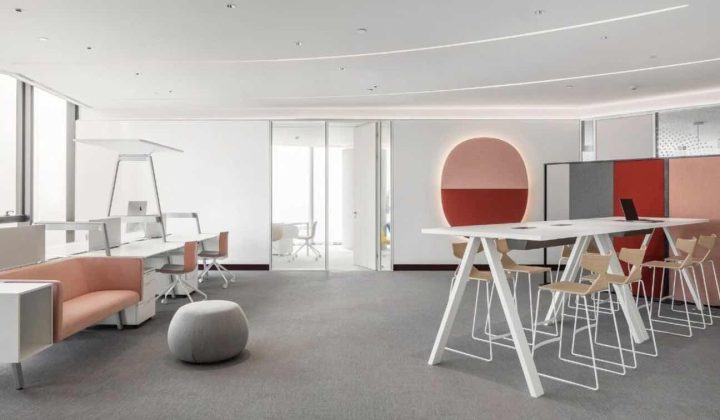
HONG Designworks Completes Private Office in Xi’an That Balances Memory, Materiality, and Long-Term Use
The Xi’an office by HONG Designworks integrates a folded steel staircase, retained furniture from a previous workspace, and a restrained purple-gray palette…
Read more
Handwoven Teak and Cord Outdoor Seating Debuts from Masaya and Abril Zepeda
Nicaraguan furniture brand Masaya has introduced two new handcrafted outdoor chairs — a rocking chair and a lounge chair — designed by…
Read more
Place in Mind: Hendricks Churchill Launches Hospitality Group to Revive Historic Properties
The architecture and interior design studio Hendricks Churchill has launched Place in Mind, a new hospitality group focused on acquiring, restoring, and…
Read moreRelated wiki
Adaptive Reuse in Architecture
Reference page for reuse, retrofit, conversion, embodied carbon and design constraints.
Read more