EVE Online Virtual War Leads to Hundreds of Thousands in Real-World Losses
A massive in-game conflict in the popular space simulation game EVE Online resulted in significant financial losses for players, with estimates reaching up to £700,000.
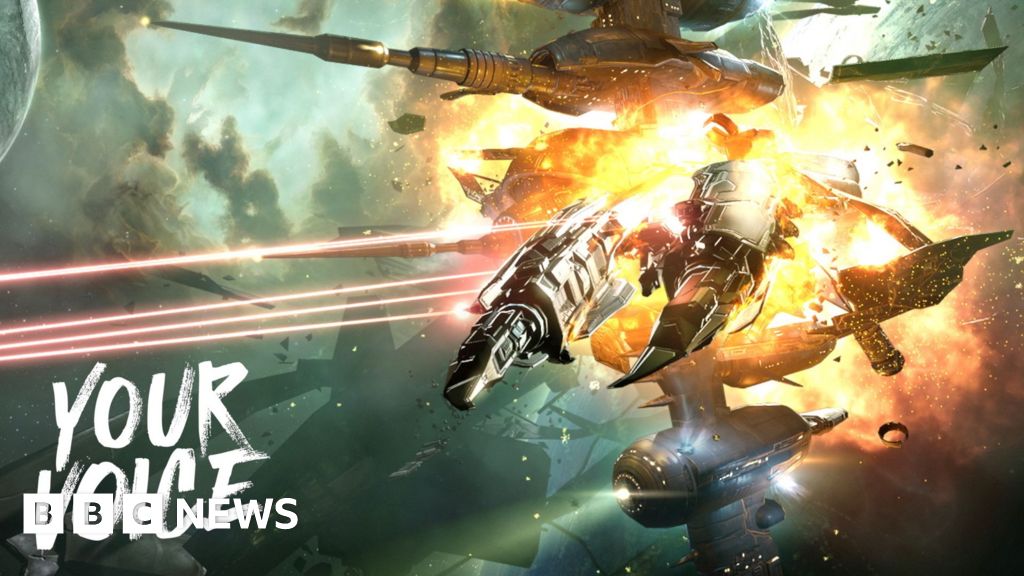
A virtual war within the expansive universe of EVE Online, a popular space simulation massively multiplayer online role-playing game, has resulted in unprecedented real-world financial losses for its players. The conflict, which culminated in June 2025, saw virtual empires crumble and assets worth hundreds of thousands of pounds vanish in a matter of hours.
The scale of the conflict and its economic impact have drawn attention from external media, shedding light on the serious financial implications that can arise from player-driven narratives and actions within virtual worlds. For players who invest significant time and real money into building their in-game presence, the destruction of these assets represents a tangible loss.
The Game’s Unique Economy
EVE Online, launched in 2003, operates in a fictional corner of space where players pilot ships, form corporations, and build vast alliances. Unlike many games with predefined storylines, EVE Online thrives on player-generated content, including complex geopolitical landscapes, trade routes, and prolonged military campaigns.
A core element of the game’s design is its player-driven economy. Every item, from ships and stations to weaponry, is manufactured by players. This creates a dynamic market where in-game currency, earned through activities like mining, trading, or combat, is used to acquire these player-made assets. While players cannot convert in-game wealth back into real-world cash, they can and do spend real money to acquire in-game items or currency, generating revenue for the game’s developer, Icelandic studio Fenris Creations. The value of some high-end assets, such as a Titan-class ship, can reportedly reach around £741.
Players often dedicate substantial real-world time to the game, with some treating it as a second job, logging up to 35 hours per week. This investment of time, coupled with direct financial spending, can lead to significant personal outlays. One player, James Cunningham, estimates he has spent approximately £6,000 on the game since 2017, while others have reportedly spent considerably more, with one friend claiming to have invested close to £30,000.
The Cataclysmic Conflict
The events of June 2025 were the culmination of years of simmering tensions and rivalries between major alliances. A significant precursor was the “Massacre at M2-XFE,” a battle in 2020 that set a Guinness World Record for the most costly video game battle, with over £280,000 in assets destroyed. This event triggered a period of intense “cold war” dynamics, with alliances meticulously planning their next moves.
During this time, James Cunningham rose to the rank of fleet commander for Pandemic Horde, one of the game’s largest alliances. His role involved directing thousands of players in real-time battles, a responsibility he described as more stressful than real-life situations.
The strategic landscape shifted dramatically when The Imperium, a long-time adversary of Pandemic Horde, launched an ambitious offensive. After years of rebuilding its forces, The Imperium transported an estimated £5 million worth of assets across space to attack its rival. This move was described by developers as “the most ambitious move in EVE Online’s history.”
The confrontation, known as the War of Ruses, involved extensive planning, with players even taking time off work and adjusting sleep schedules to participate across different time zones. The clash saw hours of intense combat, with ships being destroyed and space stations exploding, painting the virtual cosmos with the debris of battle. Cunningham noted the immense pressure, aware that a single wrong decision could lead to the loss of assets worth tens of thousands of pounds.
The War of Ruses ultimately ended with Pandemic Horde’s retreat. However, the situation further deteriorated when the long-time leader of Pandemic Horde announced a surprise departure, declaring the alliance would relocate to a new sector of space under new leadership. This period of vulnerability was exploited by rival groups, who relentlessly attacked Pandemic Horde members, leading to the eventual disbandment of the alliance.
Quantifying the Losses
Estimates of the total financial losses vary. One EVE Online player, who provided detailed spreadsheets to the BBC, believes assets worth approximately £700,000 were destroyed. Fenris Creations, the game’s developer, calculates the losses to be closer to £400,000, though they emphasize this is not an official figure. Regardless of the exact amount, the scale of the financial destruction underscores the profound real-world economic consequences of virtual warfare in EVE Online.
Datos clave
Event: War of Ruses in EVE Online
Date: June 2025
Estimated Asset Loss: £400,000 – £700,000
Developer: Fenris Creations
This development is significant for the Paionia7 readership as it illustrates the evolving nature of digital economies and the tangible impact of virtual worlds on real-world finances. It highlights how complex systems, player-driven economies, and strategic decision-making in online games can mirror real-world economic principles and consequences, offering a unique lens through which to view modern digital interactions.
Fuente: BBC News, https://www.bbc.com/news/articles/cnvp7364q5no?at_medium=RSS&at_campaign=rss
Datos clave
| Punto | Detalle |
|---|---|
| Fuente | bbc.co.uk |
| Fecha | 2026-06-05T23:13:30+00:00 |
| Tema | How a virtual space battle lost gamers £400,000 |
Source
bbc.co.uk Original publication: 2026-06-05T23:13:30+00:00
Related news
How to Read UIA 2026 for Real Projects: Climate, Materials, and Delivery
Without confirmed programme details, UIA 2026 is best read as a signal-setting event. Here is how to turn conference talk on climate,…
Read more
UIA 2026: The Sessions and Themes Architects Should Watch This Week
A careful guide to the themes architects should track around UIA 2026 this week, focused on what can be confirmed, what still…
Read more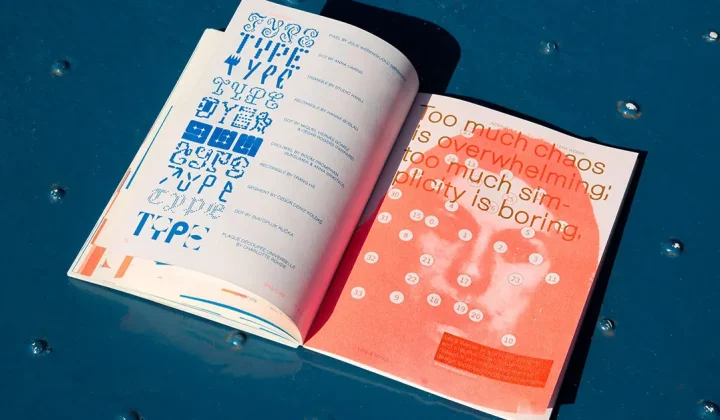
GridType Vol. 1 Examines How Digital Tools Reshape Type Design
A new publication from Slanted Publishers presents ten typefaces developed with an experimental online tool, tracing the influence of digital stencils on…
Read more
Ochre Residence by Thought Parallels Draws on Earthy Materials for a Warm Home in Kerala
The Ochre Residence in Kerala, India, by Thought Parallels uses baked terracotta, timber, coconut wood and cane to create a home that…
Read moreRelated wiki
Adaptive Reuse in Architecture
Reference page for reuse, retrofit, conversion, embodied carbon and design constraints.
Read more