
Facades+ Toronto Conference to Feature Francine Houben and Focus on Sustainable Facade Design
The Facades+ conference series returns to Toronto on June 4, co-chaired by Hariri Pontarini Architects, with a keynote from Francine Houben of Mecanoo, focusing on sustainable facade design and innovative construction.
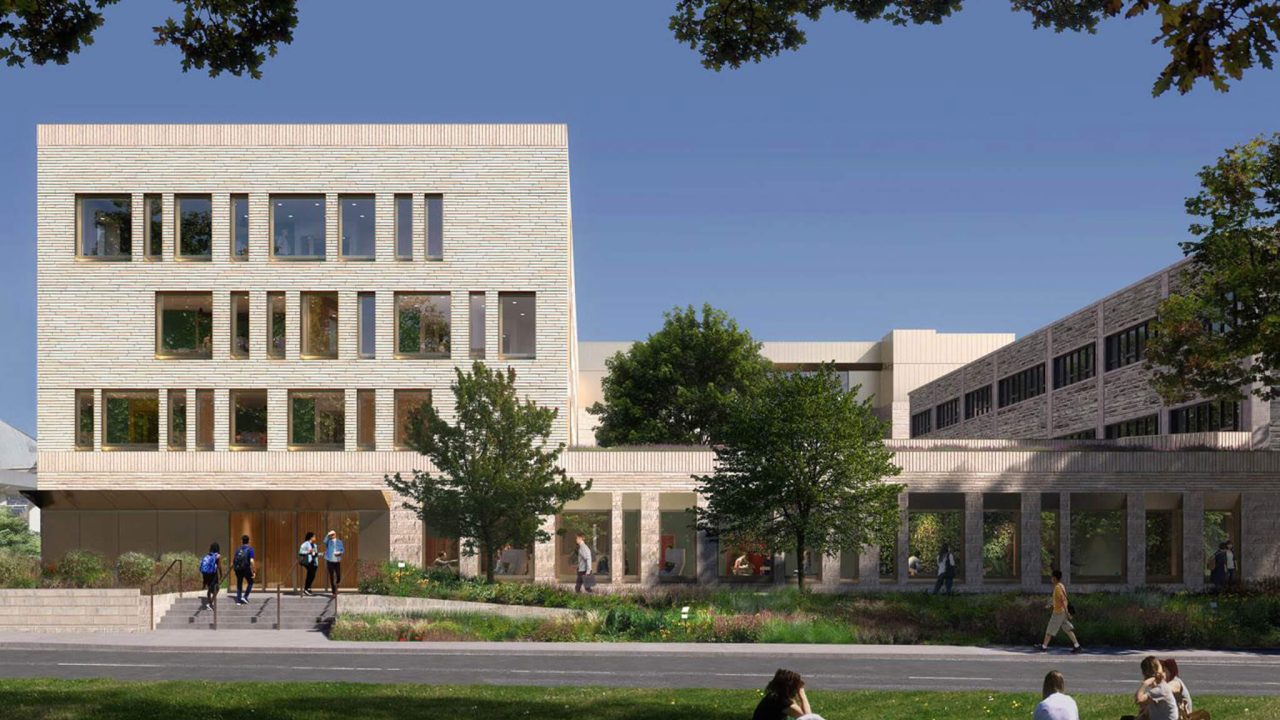
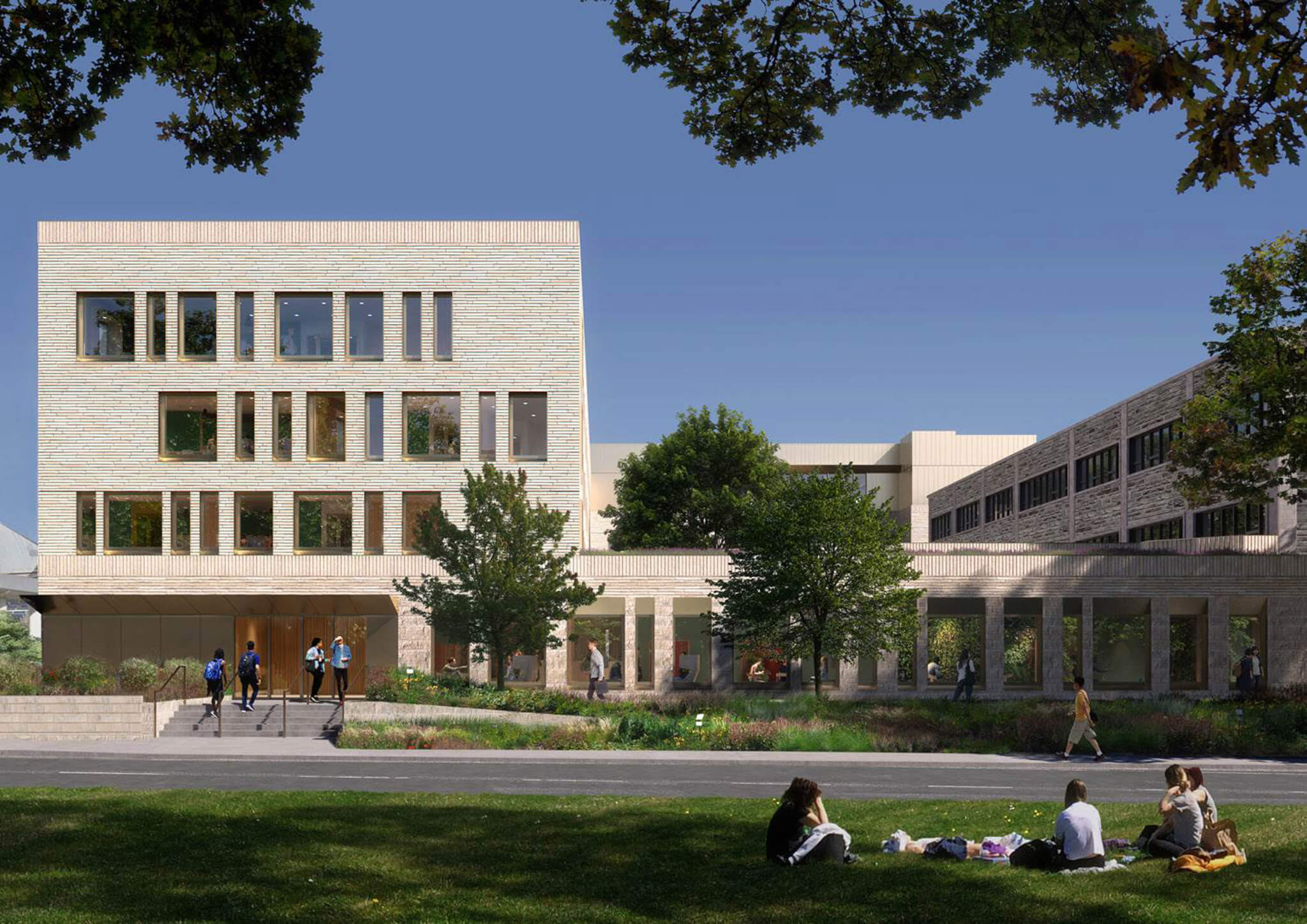
The Facades+ conference series is set to return to Toronto on June 4, bringing together leading architects and industry experts to discuss advancements in facade design and technology. Co-chaired by Toronto-based Hariri Pontarini Architects, the event will feature a keynote presentation from Francine Houben, founding partner of the internationally renowned Dutch firm Mecanoo. The conference will delve into critical topics such as sustainable design, innovative construction methods, and the integration of facades into complex urban developments.
Key facts
- Event: Facades+ Toronto
- Date: June 4
- Location: Hyatt Regency Toronto
- Keynote Speaker: Francine Houben (Mecanoo)
- Co-Chairs: Hariri Pontarini Architects
Conference Highlights
The symposium will be hosted at the Hyatt Regency Toronto and will include a Methods + Materials gallery, showcasing building products from 26 exhibiting companies. The agenda is structured around several case studies and discussions that highlight both local and international projects, emphasizing practical applications and forward-thinking design principles. These sessions aim to provide attendees with insights into the challenges and opportunities in contemporary facade architecture, particularly concerning sustainability and urban impact.
Case Studies in Facade Innovation
The program will commence with a detailed examination of KING Toronto, a mixed-use development recognized for its distinct massing and innovative facade. Liviu Budur and Mateusz Perich from Diamond Schmitt, along with Oren Jourdan from Allied, will present on the construction process and specific details of the project’s glass-block facade. This session will offer an in-depth look at the material and structural considerations involved in creating such a prominent architectural feature within a significant urban context.
Following this, Raymond Chow, a partner at gh3*, will explore how elevated facade design for infrastructural systems can contribute positively to the public realm. He will present two case studies: RTC #3 and a stormwater facility. These examples will demonstrate how utilitarian structures can be transformed through thoughtful design, enhancing their aesthetic appeal and functional integration into the urban landscape. The discussion will likely touch upon the role of infrastructure as a public asset and the potential for architects to elevate its design.
Sustainability as a Driving Force
A central focus of the conference will be sustainability, particularly during the keynote presentation by Francine Houben of Mecanoo. Accompanied by AN’s editor-in-chief Jack Murphy, Houben will discuss how sustainability drives Mecanoo’s extensive portfolio. She will present several projects—including The Lawson Center for Sustainability, Brink Tower, Doris Duke Theater, and House of Shift Rotterdam—as examples of achieving and exceeding sustainable design standards across diverse building typologies. This session is expected to cover Mecanoo’s philosophy on integrating environmental performance with architectural expression, offering valuable lessons for architects and developers aiming for high-performance buildings. The emphasis on varied typologies reinforces the idea that sustainable design principles are adaptable and essential across all scales and programs.
Urban Integration and Public Realm
Michael Conway, associate partner, and Dorna Ghorashi, associate, both from Hariri Pontarini Architects, will present on how facade design in large urban sites can redefine the public realm. Using Artist’s Alley and 88 Queen as examples, they will illustrate how carefully designed mixed-use developments can create and encourage the use of public spaces while significantly contributing to the streetscape. Their presentation will likely highlight the intricate balance between private development and public benefit, showcasing successful strategies for integrating large-scale projects into dense urban fabrics. The discussion will be particularly relevant for urban planners and developers concerned with the social impact of architectural design.
The Digital Frontier in Facade Design
The day will conclude with a roundtable discussion featuring Stephen Fai, director of the Carleton Immersive Media Studio at Carleton University; Zak Fish, senior project manager at ERA Architects; and Kimberley Adamek, research architect at WindEEE Dome. This session will address advanced topics such as image capture, scan-to-BIM, digital twins, facade optimization, wind and thermal modeling, and the preservation of digital heritage. The integration of digital technologies in facade design and construction offers new possibilities for efficiency, performance, and historical documentation, making this discussion pertinent for professionals interested in the future of architectural practice and technological advancements. The discussion on digital heritage, in particular, will be of interest to those concerned with the long-term preservation and management of architectural data.
The Facades+ conference offers a significant opportunity for architects, designers, urban planners, developers, and material researchers to engage with cutting-edge ideas and practical solutions in facade technology and sustainable design. The diverse range of speakers and case studies provides a comprehensive overview of current trends and future directions in the field, crucial for anyone involved in shaping the built environment.
Source: The Architect’s Newspaper, https://www.archpaper.com/2026/05/facades-toronto-june-4/
Source
The Architect's Newspaper Original publication: 2026-05-20T18:21:43+00:00
Related news

Handwoven Teak and Cord Outdoor Seating Debuts from Masaya and Abril Zepeda
Nicaraguan furniture brand Masaya has introduced two new handcrafted outdoor chairs — a rocking chair and a lounge chair — designed by…
Read more
Place in Mind: Hendricks Churchill Launches Hospitality Group to Revive Historic Properties
The architecture and interior design studio Hendricks Churchill has launched Place in Mind, a new hospitality group focused on acquiring, restoring, and…
Read more
Adalberto Dias Architects Complete Restoration of Lisbon’s Patriarchal Cathedral and Archaeological Center
The restoration of the Sé de Lisboa by Adalberto Dias Arquitecto integrates a new archaeological center, preserved cloisters, and seven centuries of…
Read more
Vantieghem Talebi’s ‘House of Cards’ Brings Timber Geometry to Belgian Family Home
A new family house in Belgium by US- and Swiss-based practice Vantieghem Talebi uses a steeply pitched, card-house-inspired form clad in Douglas-fir…
Read moreRelated wiki

Adaptive Reuse in Architecture
Reference page for reuse, retrofit, conversion, embodied carbon and design constraints.
Read more