
Formwork Architects Revitalizes Edwardian Home in North London
A considered excavation and extension by Formwork Architects has transformed a former care home in Crouch End into a spacious, light-filled family residence, respecting its conservation area setting.
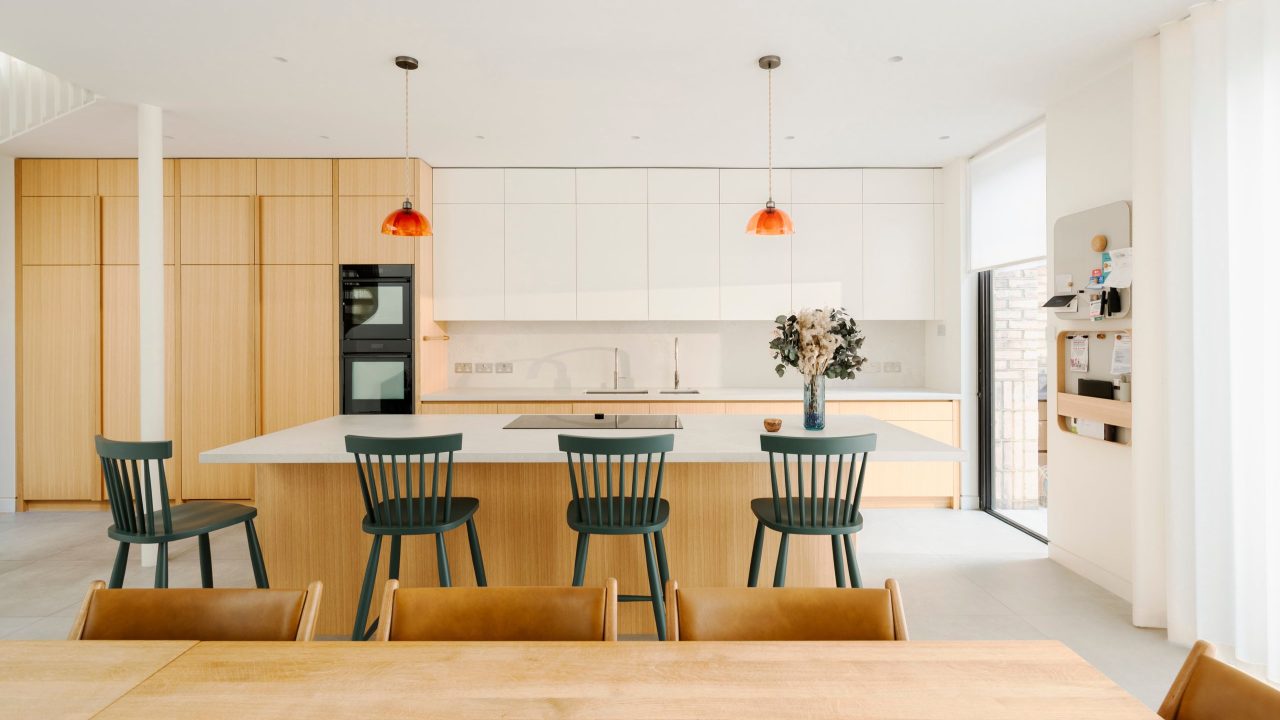
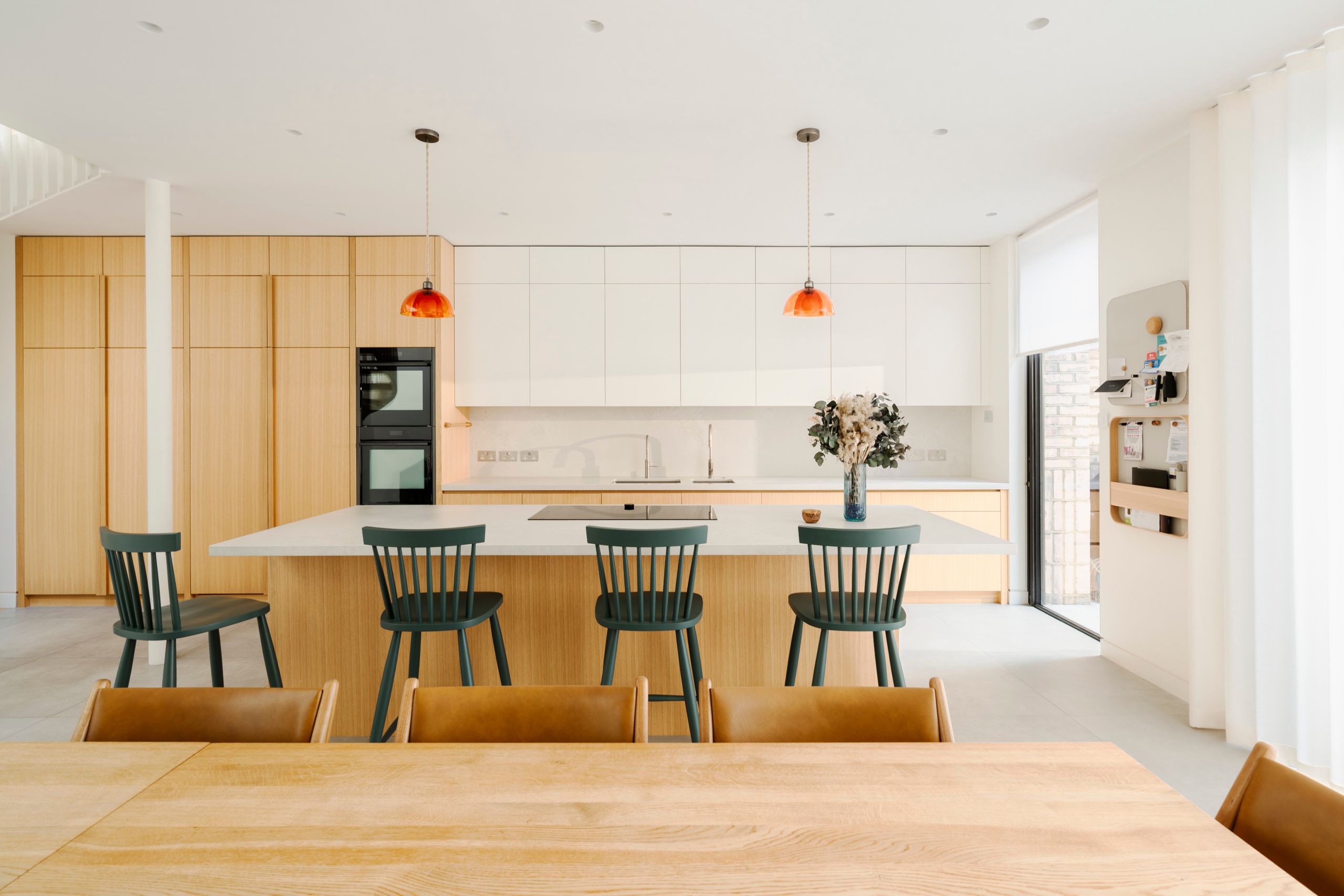
Formwork Architects has completed a significant refurbishment and extension of an Edwardian house in Crouch End, North London. The property, which had served as a care home for several decades, has been meticulously returned to its original purpose as a private family residence. The project involved substantial excavation to create new living spaces and a sensitive internal reorganization, all while navigating the constraints of a local conservation area and the property’s dilapidated state.
The transformation aimed to create a home that could adapt to the evolving needs of family life, offering both distinct formal and informal zones. The design prioritizes maximizing natural light and spatial flow, particularly through the addition of a double-height rear extension and a newly excavated lower-ground floor.
Sensitive Planning and Design
The project’s location within a conservation area presented a key challenge, alongside the property’s poor condition and the history of previous contentious development proposals. Formwork Architects engaged in careful diplomatic negotiations with local authorities and neighbours, which ultimately allowed for an expansive extension and considerable freedom to reconfigure the interior. This collaborative approach ensured that the new design respected the existing urban fabric while introducing contemporary living standards.
The new rear extension opens onto a sunken courtyard, blurring the lines between indoor and outdoor living. This architectural move not only provides valuable amenity space but also draws natural light deep into the lower levels of the house.
Expanded Living Spaces
The newly created lower-ground floor significantly expands the original basement footprint, extending both forwards and backwards. Beneath the front drive, new areas for storage and utilities have been incorporated. At the rear, the double-height extension measures an impressive 8.2 meters, opening onto a deep lightwell that gradually ascends into the rear garden. A walkway at ground level provides access along the lightwell.
Sliding glass doors on both the ground and lower-ground levels enhance the connection to the outdoors. New rooflights have also been strategically placed to introduce additional natural light. The sitting room, located above the kitchen/diner, offers views out onto the garden, further integrating the external landscape with the interior.
A Central Staircase and Material Palette
A bespoke, freestanding metal staircase acts as a central design element, connecting the kitchen/diner on the lower-ground floor to the sitting room above. Its open treads are designed to allow light to permeate the space below, while an elegant curve guides the eye and movement through the house. The timber treads of the staircase echo the flooring material, and bespoke joinery is used throughout to create a warm and cohesive atmosphere.
Despite the loss of many original features over the years, remaining elements were preserved and restored where possible. The original entrance hallway, for instance, now features restored stained glass. This area has been opened up to create a double-height volume, establishing a long vista from the entrance through to the rear of the house, past a fully restored main staircase. This staircase is top-lit by a new rooflight, enhancing its prominence and the sense of arrival.
Family-Centric Design
The completed house offers a generous 465 square meters of living space. The design successfully balances the need for modern amenities with the preservation of natural light, ensuring that the expanded footprint does not compromise the sense of openness and airiness.
Nick Learoyd, director of Formwork Architects, stated, “The clients wanted a house that responded to the rhythms of their busy lives, with spaces where the family can enjoy together that retain a strong connection to the garden. The material palette was carefully selected to be tactile yet durable and enforce the belief that the house should be enjoyed, not just admired.” This philosophy is evident in the choice of materials and the thoughtful integration of joinery, creating a home that is both beautiful and highly functional.
The refurbished inner living room retains its period features, offering a contrast to the contemporary extensions. The project demonstrates a successful approach to revitalizing Edwardian properties within sensitive urban contexts, focusing on enhancing space, light, and family living through considered architectural intervention.
Key facts
- Architect: Formwork Architects
- Project Type: House Renovation and Extension
- Location: Crouch End, North London
- Original Building Type: Edwardian House (formerly care home)
- Total Area: 465 sq m
- Key Features: Double-height rear extension, sunken courtyard, bespoke metal staircase, restored period features
This project offers valuable insights for architects and designers working on residential renovations, particularly in urban conservation areas. It highlights the importance of diplomatic engagement with planning authorities and neighbours, as well as the potential for significant spatial gains through careful excavation and extension. For residents and urban planners, it showcases a successful model for adapting existing housing stock to meet contemporary family needs while respecting historical context and enhancing the built environment. The focus on durable, tactile materials and the seamless integration of indoor and outdoor spaces provides a benchmark for thoughtful residential design.
Source: Wallpaper – https://www.wallpaper.com/architecture/residential/crouch-end-house-formwork-architects
Source
Wallpaper Original publication: 2026-05-24T11:04:56+00:00
Related news
How to Specify a Commercial-Grade Outdoor Swing Chair That Lasts Beyond Two Years
A procurement expert with 15 years in hospitality furniture sourcing explains why most outdoor swing chairs fail within five years of resort…
Read more
Freddie Mercury’s stage costumes go on display at V&A in free 2026 exhibition
The V&A marks the 80th anniversary of Freddie Mercury’s birth with ‘Splendid Things’, a free exhibition of eight iconic looks lent by…
Read more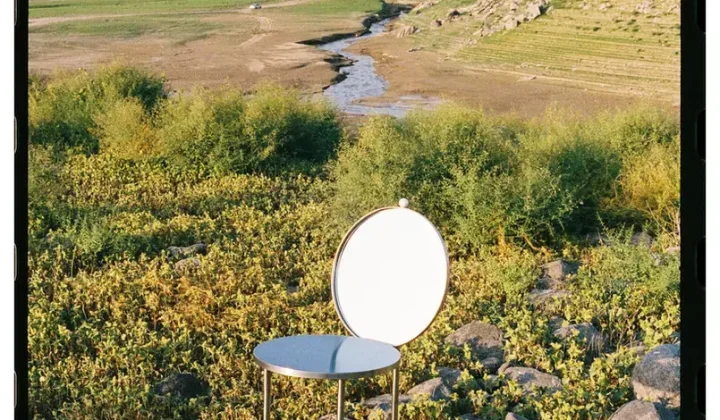
Armenian Designer Shushana Khachatrian Debuts ‘The Woman’s Chair,’ a Deliberately Uncomfortable Reflection on Social Structures
Armenian designer Shushana Khachatrian's 'The Woman's Chair' uses polished stainless steel and a deliberately unstable geometry to question expectations around comfort, posture,…
Read more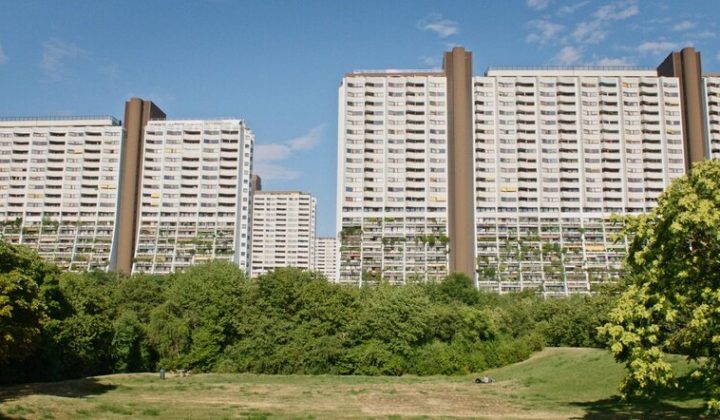
27 Storeys Documentary Revisits Vienna’s Alterlaa and the Utopian Promise of Collective Living
Director Bianca Gleissinger returns to her childhood home in the Alterlaa housing complex to explore how a 1970s social housing project achieved…
Read moreRelated wiki
Adaptive Reuse in Architecture
Reference page for reuse, retrofit, conversion, embodied carbon and design constraints.
Read more