
The Blurred Lines: Is Architecture Art or Performance?
SAOTA Principal Dani Reimers discusses the intricate relationship between architecture, art, and performance, using the Met Gala as a unique lens to explore how buildings, like fashion, project identity and evoke experience.
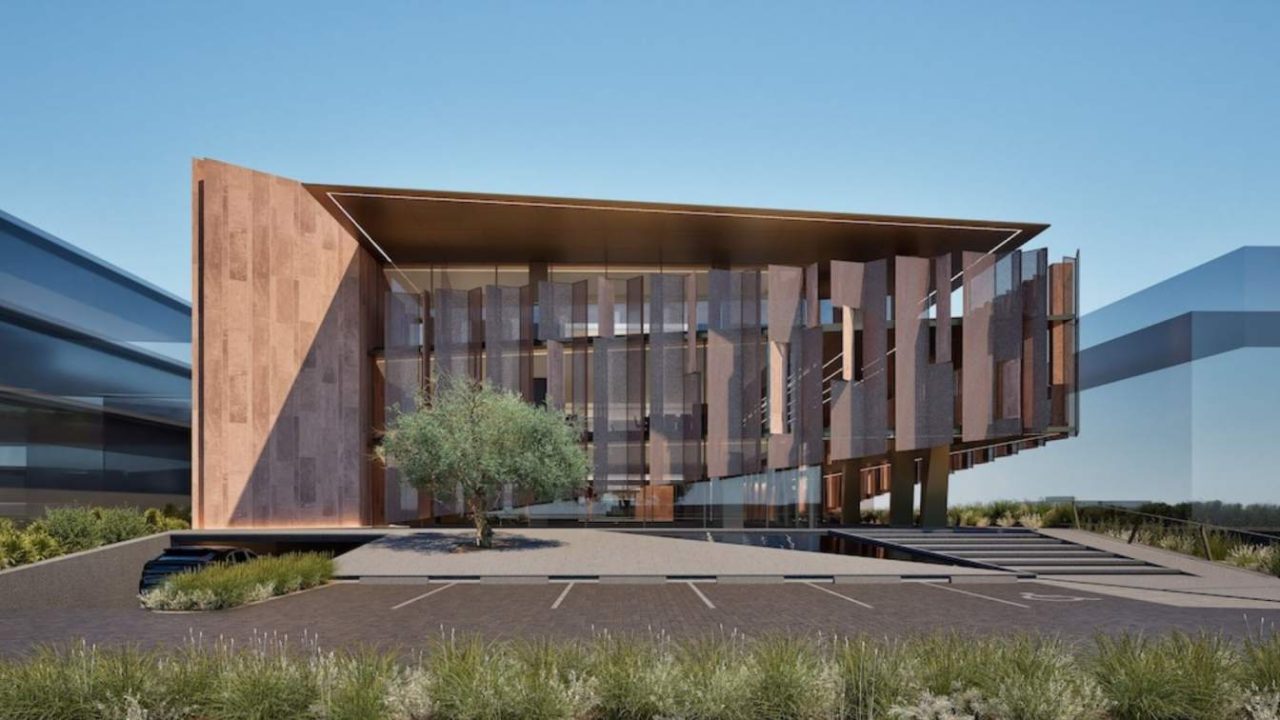
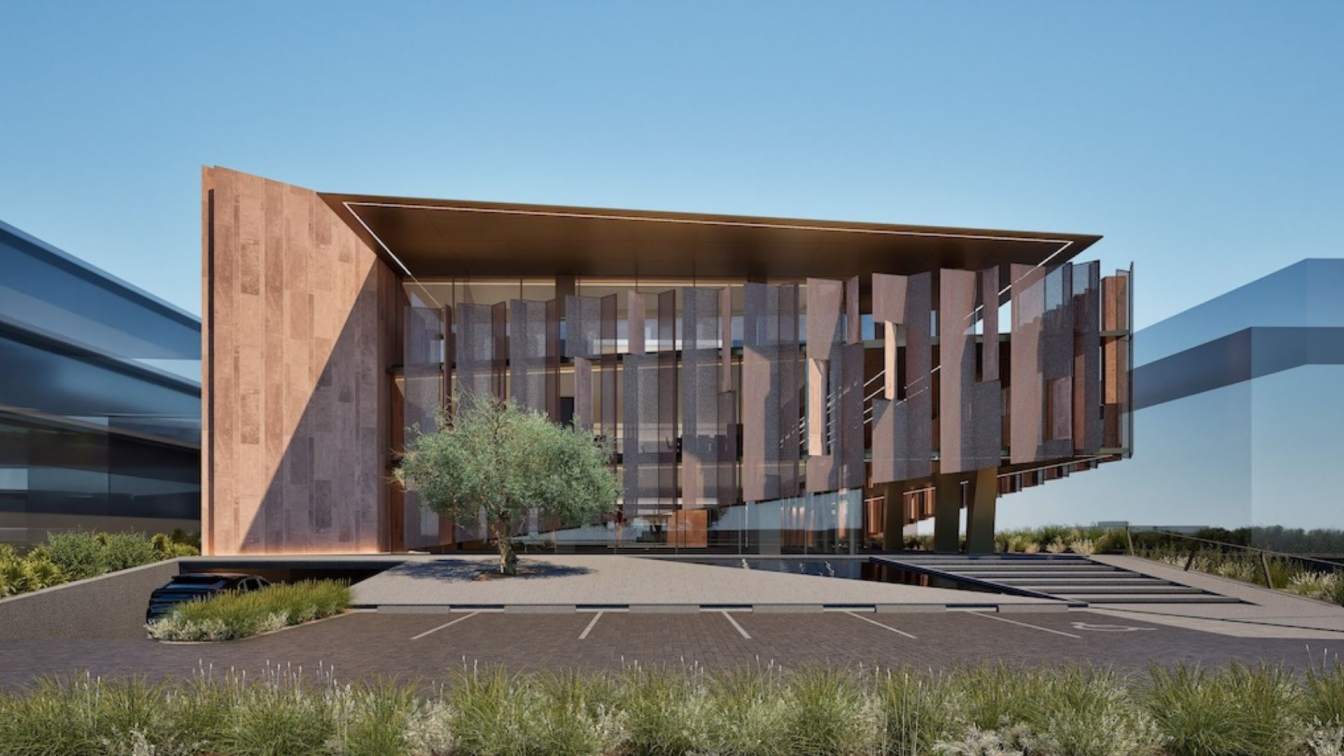
The enduring question of what defines art and where artistic expression transitions into meaning remains a complex philosophical debate, a conversation into which architecture often finds itself uncomfortably inserted. Dani Reimers, Principal at the globally recognized architectural firm SAOTA, proposes the Met Gala as an unconventional yet insightful perspective through which to examine architecture, not by drawing a direct equivalence between buildings and garments, but by exploring their shared mechanisms of projection and interpretation.
“The Met Gala can be viewed as a performance of surfaces or secondary skins, which allows it to be a useful lens for thinking about architecture,” Reimers explains. “We encounter buildings the way we encounter dressed bodies; as projections of identity, of aspiration, of social position.” This initial parallel, however, carries inherent limitations. Fashion, by its nature, is ephemeral and lacks the inherent demand for permanence that defines architecture. “The difference is that fashion has no pretence of permanence, which grants it a freedom architecture rarely allows itself. Architecture is required to endure. It must account for time, use, and consequence.”
Why it matters
Reimers clarifies that the true parallel lies not in the objects themselves, but in their performance. “The parallel I would draw is not between fashion and architecture as artistic objects, but between fashion and architecture as performance.” In this framing, the tangible artifact recedes in importance, replaced by the significance of the encounter. “Both are, at their best, acts of making the body, be it the individual or the collective, visible to itself in a new way. The Met Gala dress that stops you in your tracks is doing exactly what a great building does: it reorganises your expectations of what engagement with the human frame can mean.”
The profound intrigue surrounding architecture, Reimers argues, is inextricably linked to experience. Its fundamental purpose transcends mere shelter, structure, or program; it lies in the deliberate staging and choreography of an encounter between a physical body and the surrounding world. “In this reading, architecture is neither reducible to function nor justified by form alone. It is defined by what it reveals through experience.”
Context
Architecture carries its own internal anxieties within this broader discourse. The concern that architecture might become “too artistic” or “lose itself in performance” is, in essence, a concern about its use-value, perhaps a lingering echo of Modernism’s pervasive sense of guilt. Reimers points to Mies van der Rohe’s Barcelona Pavilion, built nearly a century ago, as an example of a space largely devoid of conventional function, yet still revered. “The Barcelona Pavilion is almost entirely without function; however, it performed a new geometry of openness, a new relationship between inside and out, a new understanding of what a material surface can be. This is its architecture.”
The critical danger, as Reimers identifies it, is not the dominance of expression over function, but the overshadowing of experience by performance. When architecture devolves into mere cleverness, a formal exercise that appeals only to a select group of design connoisseurs, it fails in its fundamental role. “Architecture is a public art. It is made in and for the world.” The definitive line, according to Reimers, separates architecture that genuinely reveals something—about materials, light, or the building’s relationship to its site—from that which merely signals sophistication. “The first is art. The second is branding.”
Within the specific context of South Africa, the ethical and artistic use of light takes on a distinct significance. Unlike the diffused northern European light that influenced much of modern architectural calibration, the South African light is often aggressive and directional. When architects work with this intense light rather than against it, it becomes a primary architectural medium. “The shadow a wall casts at ten in the morning in Cape Town in summer is as precise and as deliberate as any drawn line. You learn, working in this climate, that form is light management and that the two are inseparable.”
Materials, too, are not treated as passive backdrops but as active participants in the architectural narrative. “Materials, in our practice, are not neutral substrates onto which architecture is applied. They often have their own arguments. Concrete reads differently under a hot blue sky than under a temperate one.” The challenge lies in harnessing the emotional resonance of materials to illuminate aspects of the architecture, reflecting its connection to context, culture, and craftsmanship. This endeavor demands a level of formal discipline that is, in itself, an artistic act.
When asked if SAOTA consciously engages with architecture as art, Reimers offers a nuanced response. “I think the honest answer is: it does both, and the tension between them is generative.” He elaborates on a body of work that stems from deep technical engagement—resolving complex site challenges, intricate structural sections, and the delicate balance between interior spaces and views, not merely to aestheticize the landscape but to actively frame it and enhance the occupant’s experience. This rigorous process, he notes, can yield objects possessing artistic qualities, not from an initial artistic intent, but from the sheer seriousness of the intention behind their creation.
Reimers also challenges the notion that their work is solely process-driven. “There is always a sensibility at work, often unique to each of the principals, at times an aesthetic ambition, a commitment to a certain kind of spatial experience that guides every decision from the beginning.” This guiding sensibility is what distinguishes architecture that aspires to art from that which merely demonstrates competence.
In alignment with the pursuit of artistic endeavor, architecture must uphold a standard often demanded of art: that the work conveys meaning beyond its immediate brief, budget constraints, or client satisfaction. “Our aim is that it provokes something, however quietly, about what it means to be human in a particular place at a particular moment. This is the definition of architecture that SAOTA vehemently defends,” Reimers concludes.
Key facts
- Speaker: Dani Reimers, Principal at SAOTA
- Analogy: Met Gala fashion as a lens for architecture (performance of surfaces, projection of identity)
- Core Argument: Architecture’s value lies in the orchestrated experience and what it reveals, not just form or function.
- Key Distinction: Artful architecture reveals; sophisticated architecture signals branding.
This discourse offers a compelling framework for architects, designers, and urban observers to reconsider the multifaceted nature of architectural practice. It prompts a deeper appreciation for how buildings shape our perception of ourselves and our environment, moving beyond purely functional considerations to embrace the profound experiential and revealing qualities that elevate architecture to an art form. For those following the built environment, this perspective highlights the critical role of intentionality and experience in creating spaces that resonate on a deeper human level.
Source: Amazing Architecture, https://amazingarchitecture.com/articles/is-there-a-line-between-art-and-architecture
Source
Amazing Architecture Original publication: 2026-05-26T02:08:53+00:00
Related news

MIV Architects Proposes Wetland Pavilion That Prioritizes Non-Human Habitats Over Human Comfort
The Spanish firm’s “Nidos de Agua” concept for the Albufera natural park in Valencia aims to rebalance the relationship between building and…
Read more
Nelson Byrd Woltz Begins Construction on Restorative Eagle Courtyard at Walter Reed Medical Center
Construction has started on a redesigned Eagle Courtyard at Walter Reed National Military Medical Center, led by Nelson Byrd Woltz Landscape Architects.…
Read more
London’s listening bar boom reflects a deeper shift in hospitality design and music culture
A wave of Japanese-inspired listening bars is reshaping London’s nightlife, but owners and critics are asking whether the concept can survive commercial…
Read more
Performing Colonial Toxicity Exhibition in Valencia Examines Architecture’s Role in Nuclear Colonialism
From 24 October to 1 November 2026, Aguas Internacionales in Valencia hosts Samia Henni’s exhibition on French nuclear testing in the Algerian…
Read moreRelated wiki

Adaptive Reuse in Architecture
Reference page for reuse, retrofit, conversion, embodied carbon and design constraints.
Read more