Jakarta’s Urban Bus Experience Inspires Design Thinking
A journey on Jakarta's urban buses has provided a unique perspective on user experience, influencing architectural and design approaches.
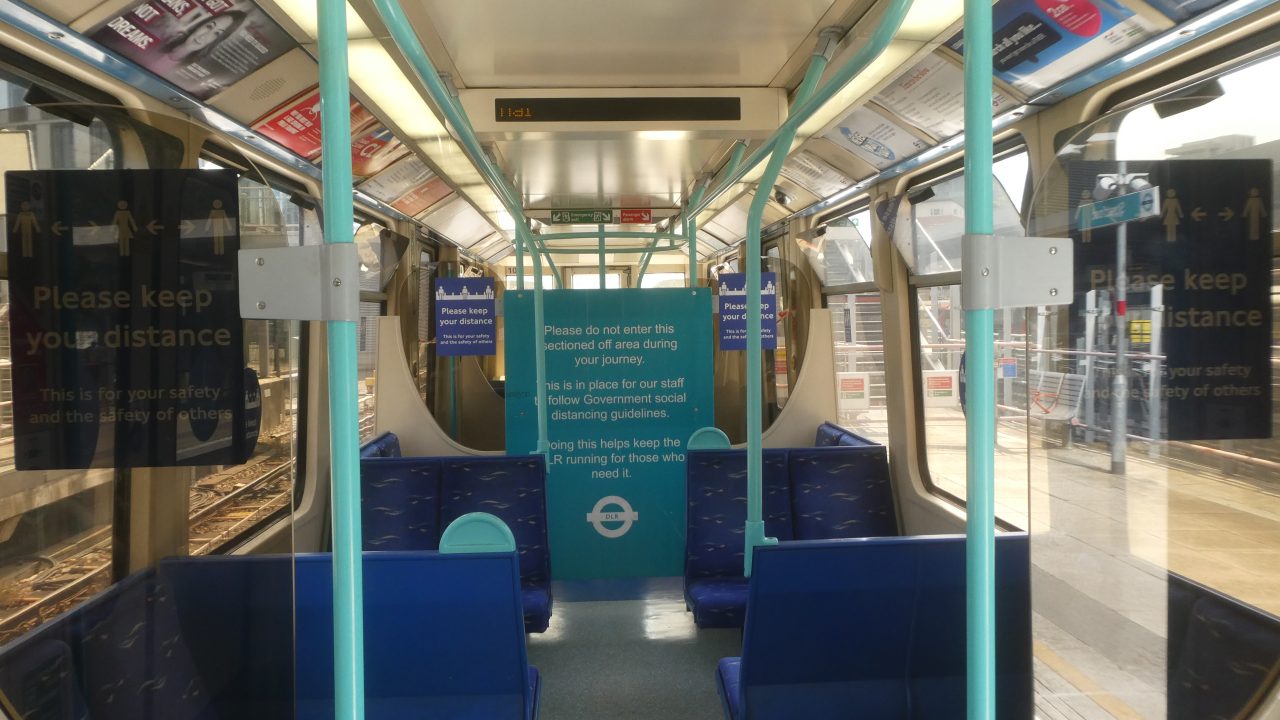
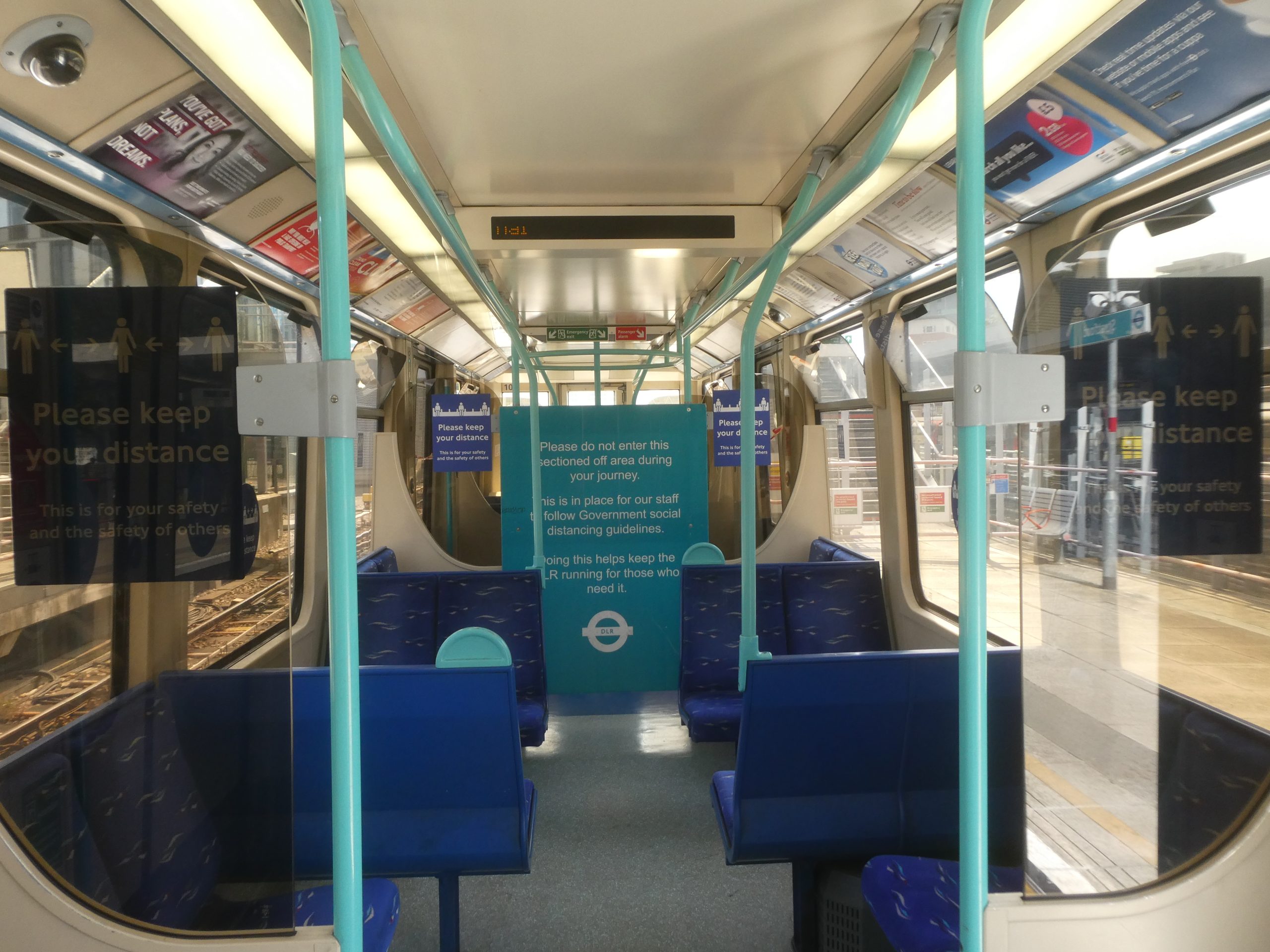
A seemingly ordinary commute on Jakarta’s urban buses has become a profound lesson in user experience (UX) for architects and designers. The raw, unfiltered reality of navigating the city’s public transport system offers insights that traditional design studios often overlook. This experience highlights the disconnect between theoretical design principles and the lived realities of users.
The core of this realization stems from the direct engagement with the environment. The article, originating from estudioarquitectos.cl, suggests that understanding how people truly interact with their surroundings, particularly in dynamic urban settings, is crucial for creating meaningful and functional spaces. The chaotic yet functional nature of Jakarta’s buses serves as a microcosm of urban life, where efficiency, accessibility, and human comfort are constantly being negotiated.
Understanding User Needs
The urban bus in Jakarta is more than just a mode of transport; it’s a complex ecosystem of human interaction and environmental challenges. Passengers contend with crowding, varying levels of comfort, unpredictable schedules, and the constant ebb and flow of people. These are not abstract problems but daily realities that shape user behavior and expectations. For designers, observing these dynamics firsthand provides invaluable data on what truly works and what doesn’t in a public space.
This approach moves beyond sterile, controlled environments and focuses on the “real” user experience. It emphasizes that authentic design solutions emerge from understanding the friction points and adaptive strategies employed by everyday users. The lesson is that the most effective designs are those that acknowledge and integrate the complexities of human behavior in their intended context.
Implications for Architecture and Urbanism
The insights gleaned from this urban bus experience have direct implications for the fields of architecture and urbanism. Architects and urban planners are tasked with creating spaces that are not only aesthetically pleasing but also highly functional and responsive to the needs of their inhabitants. By adopting a UX-centric approach, inspired by such real-world observations, they can begin to bridge the gap between conceptual design and practical application.
This perspective encourages a shift towards more empathetic design processes, where the focus is on observing, understanding, and then innovating. It suggests that by immersing oneself in the environments that people navigate daily, designers can uncover opportunities for improvement that might otherwise remain hidden. This could lead to more inclusive, accessible, and user-friendly urban infrastructure and buildings.
Designing for Real-World Contexts
The article implicitly argues for a design methodology that prioritizes immersion and direct observation. The “Colectivo UX” concept, hinted at in the source’s summary, likely refers to a collective or community-driven approach to understanding user experience. This means that the insights gained are not just individual epiphanies but can inform broader design strategies.
Applying this to architectural projects means looking at how people use public spaces, how they move through buildings, and how they interact with materials and systems in their everyday lives. It’s about moving beyond blueprints and models to understand the tangible impact of design on human well-being and daily routines.
The Power of Everyday Environments
Ultimately, the Jakarta urban bus serves as a powerful reminder that inspiration for design can be found in the most unexpected places. The everyday environments that we often take for granted are rich with lessons about human behavior, resilience, and adaptation. For professionals in architecture and design, embracing these lessons can lead to more innovative, relevant, and impactful creations. It underscores the importance of looking beyond the conventional to find the true essence of user needs.
Key facts:
| Aspect | Detail |
|——————-|———————————————|
| Source of Insight | Jakarta’s urban buses |
| Core Concept | User Experience (UX) in real-world contexts |
| Applied Fields | Architecture, Urbanism, Design |
| Key Takeaway | Design must be empathetic and user-centric |
Source: estudioarquitectos.cl, https://estudioarquitectos.cl/2026/06/11/lo-que-cuentas-es-como-se-sienten/
Datos clave
| Punto | Detalle |
|---|---|
| Fuente | estudioarquitectos.cl |
| Fecha | 2026-06-11T00:57:56+00:00 |
| Tema | Lo que cuentas es como se sienten. |
Source
estudioarquitectos.cl Original publication: 2026-06-11T00:57:56+00:00
Related news

Handwoven Teak and Cord Outdoor Seating Debuts from Masaya and Abril Zepeda
Nicaraguan furniture brand Masaya has introduced two new handcrafted outdoor chairs — a rocking chair and a lounge chair — designed by…
Read more
Place in Mind: Hendricks Churchill Launches Hospitality Group to Revive Historic Properties
The architecture and interior design studio Hendricks Churchill has launched Place in Mind, a new hospitality group focused on acquiring, restoring, and…
Read more
Adalberto Dias Architects Complete Restoration of Lisbon’s Patriarchal Cathedral and Archaeological Center
The restoration of the Sé de Lisboa by Adalberto Dias Arquitecto integrates a new archaeological center, preserved cloisters, and seven centuries of…
Read more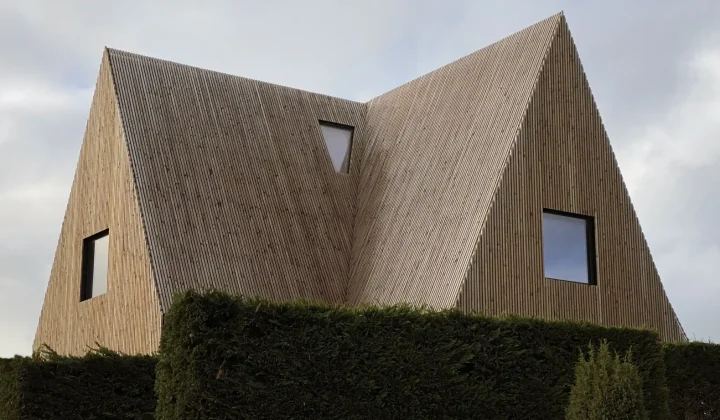
Vantieghem Talebi’s ‘House of Cards’ Brings Timber Geometry to Belgian Family Home
A new family house in Belgium by US- and Swiss-based practice Vantieghem Talebi uses a steeply pitched, card-house-inspired form clad in Douglas-fir…
Read moreRelated wiki
Adaptive Reuse in Architecture
Reference page for reuse, retrofit, conversion, embodied carbon and design constraints.
Read more