
Liz Gálvez Unveils Earthen Comforts Pavilion in Los Angeles, Rethinking Urban Cooling
Architect Liz Gálvez's new pavilion in Los Angeles utilizes cord and earthen blocks to demonstrate innovative approaches to urban shade and natural cooling.


Architect Liz Gálvez has introduced “Earthen Comforts: Airing Earth,” a striking shade pavilion located in the courtyard of Los Angeles cultural institutions Materials & Applications and Craft Contemporary. The project, which focuses on reframing the concept of air conditioning, aims to showcase the potential of natural shade and passive cooling strategies in urban environments.
Earthen Comforts is situated against one side of a concrete courtyard. Its design features a wooden post-and-beam structure that is enveloped by cord and earthen blocks. This construction method not only provides shade but also highlights the thermal properties of earth-based materials, offering a sustainable alternative to conventional cooling systems.
Materials and Construction
The pavilion’s primary structure consists of a robust wooden frame, providing the skeletal support for the layers of cord and earthen blocks. These earthen blocks are a key element, chosen for their natural cooling capabilities and their low environmental impact. The use of cord, likely as a binding or decorative element, adds a textural and visual dimension to the pavilion, further emphasizing its connection to natural materials.
The design challenges the conventional reliance on energy-intensive air conditioning by demonstrating how thoughtful architectural interventions can create comfortable microclimates. By embracing earth as a building material, Gálvez taps into ancient building techniques that have been proven effective in regulating temperature, particularly in hot climates.
Urban Shade and Cooling
Los Angeles, like many major cities, faces significant challenges related to the urban heat island effect. “Earthen Comforts: Airing Earth” directly addresses this issue by offering a tangible example of how shade can be effectively integrated into urban spaces. The pavilion serves not only as a physical structure but also as an educational tool, inviting visitors to reconsider their relationship with the built environment and its impact on comfort and sustainability.
The project’s location within Materials & Applications and Craft Contemporary underscores its intent to engage with a public interested in art, design, and innovative material use. By placing the pavilion in a public courtyard, Gálvez ensures it is accessible and can serve as a focal point for discussion on urban design and environmental solutions.
Challenging Air Conditioning Norms
Gálvez’s approach to reframing air conditioning is a critical commentary on contemporary urban living. The pavilion suggests that by understanding and harnessing natural principles, architects and designers can create spaces that are both comfortable and ecologically responsible. The project implicitly questions the pervasive use of mechanical cooling systems, which contribute significantly to energy consumption and carbon emissions.
The choice of earthen blocks is particularly significant. These materials have a high thermal mass, meaning they can absorb heat during the day and release it slowly at night, helping to stabilize interior temperatures. This passive regulation contrasts sharply with the immediate, energy-intensive cooling provided by air conditioners.
Future Implications
“Earthen Comforts: Airing Earth” offers a model for future urban development, particularly in regions with warm climates. It highlights the potential for integrating natural, sustainable materials into mainstream construction and design practices. The pavilion’s success could inspire further exploration of earth-based architecture and passive cooling techniques, contributing to more resilient and environmentally conscious cities.
The project also emphasizes the importance of public art and architectural installations in fostering dialogue about pressing environmental and social issues. By creating an engaging and aesthetically pleasing structure, Gálvez makes the complex topic of urban cooling and sustainable design accessible to a wider audience.
Key facts
| Fact | Detail |
| :————————– | :—————————————————————— |
| Project Name | Earthen Comforts: Airing Earth |
| Architect | Liz Gálvez |
| Location | Courtyard of Materials & Applications and Craft Contemporary, Los Angeles |
| Key Materials | Cord, earthen blocks, wood |
| Primary Goal | Showcase potential of urban shade and natural cooling |
The development matters to Paionia7 readers as it presents an innovative architectural solution to urban heat management, directly aligning with interests in sustainable design, urbanism, and the application of novel materials in the built environment. It offers a case study in passive cooling strategies that could influence future projects and urban planning.
Source: Dezeen – Liz Gálvez “reframes” air conditioning with shade pavilion in Los Angeles (https://www.dezeen.com/2026/07/09/liz-galvez-shade-pavilion-los-angeles-earthen-comforts/)
Datos clave
| Punto | Detalle |
|---|---|
| Fuente | Dezeen |
| Fecha | 2026-07-09T18:01:01+00:00 |
| Tema | Liz Gálvez "reframes" air conditioning with shade pavilion in Los Angeles |
Source
Dezeen Original publication: 2026-07-09T18:01:01+00:00
Related news
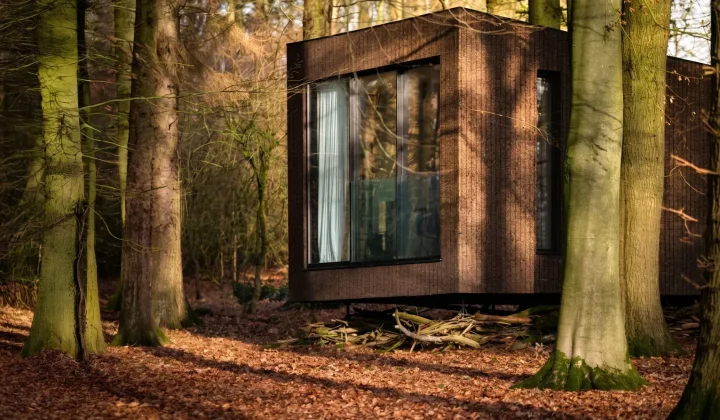
Koto launches Haku, a mobile prefab hotel suite built on a wheeled chassis to bypass UK planning restrictions
UK architecture studio Koto has unveiled Haku, a fully mobile prefabricated suite that legally qualifies as a caravan, allowing landowners and hotel…
Read more
HONG Designworks Completes Private Office in Xi’an That Balances Memory, Materiality, and Long-Term Use
The Xi’an office by HONG Designworks integrates a folded steel staircase, retained furniture from a previous workspace, and a restrained purple-gray palette…
Read more
Handwoven Teak and Cord Outdoor Seating Debuts from Masaya and Abril Zepeda
Nicaraguan furniture brand Masaya has introduced two new handcrafted outdoor chairs — a rocking chair and a lounge chair — designed by…
Read more
Place in Mind: Hendricks Churchill Launches Hospitality Group to Revive Historic Properties
The architecture and interior design studio Hendricks Churchill has launched Place in Mind, a new hospitality group focused on acquiring, restoring, and…
Read moreRelated wiki

Adaptive Reuse in Architecture
Reference page for reuse, retrofit, conversion, embodied carbon and design constraints.
Read more