
Makino’s Roadside Station Honors Botanical Pioneer in Sakawa
A new roadside station in Sakawa, Kochi Prefecture, designed by Wakatake Town Planning Research Institute, STUDIO YY, and WORKSTATION, celebrates the legacy of Tomitaro Makino, the father of Japanese botany, by drawing inspiration from the natural landscape he cherished.
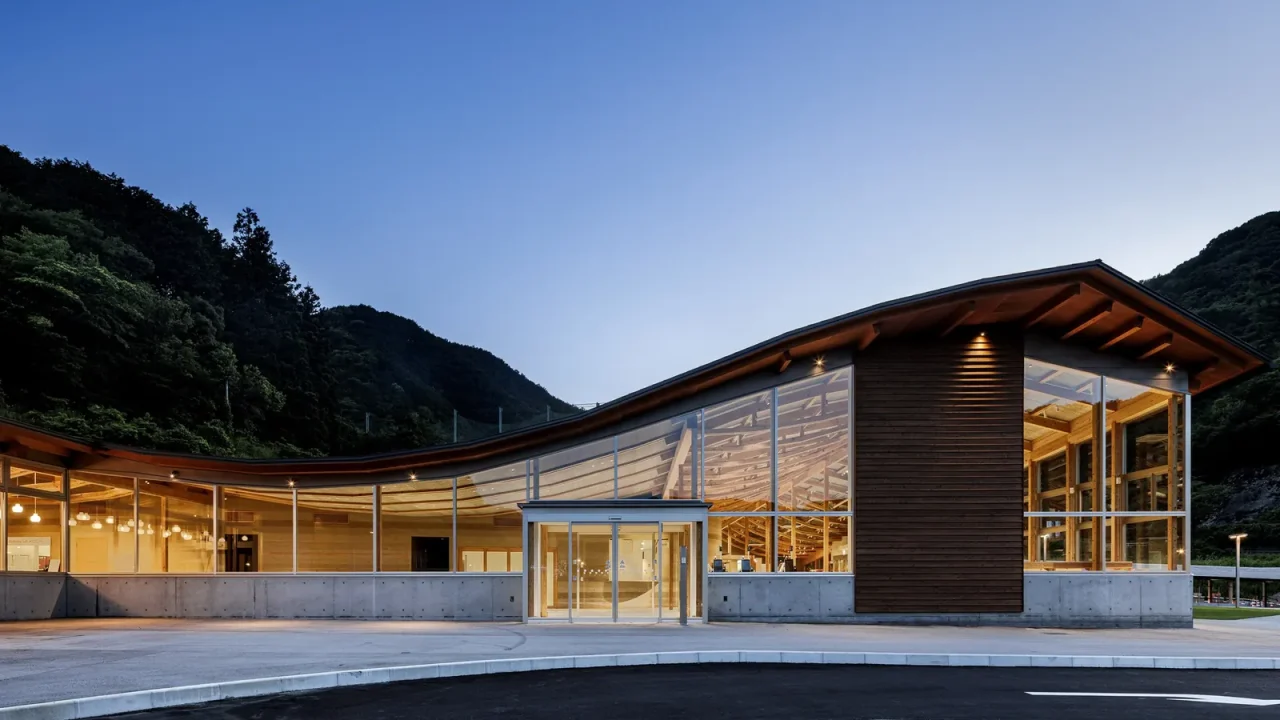
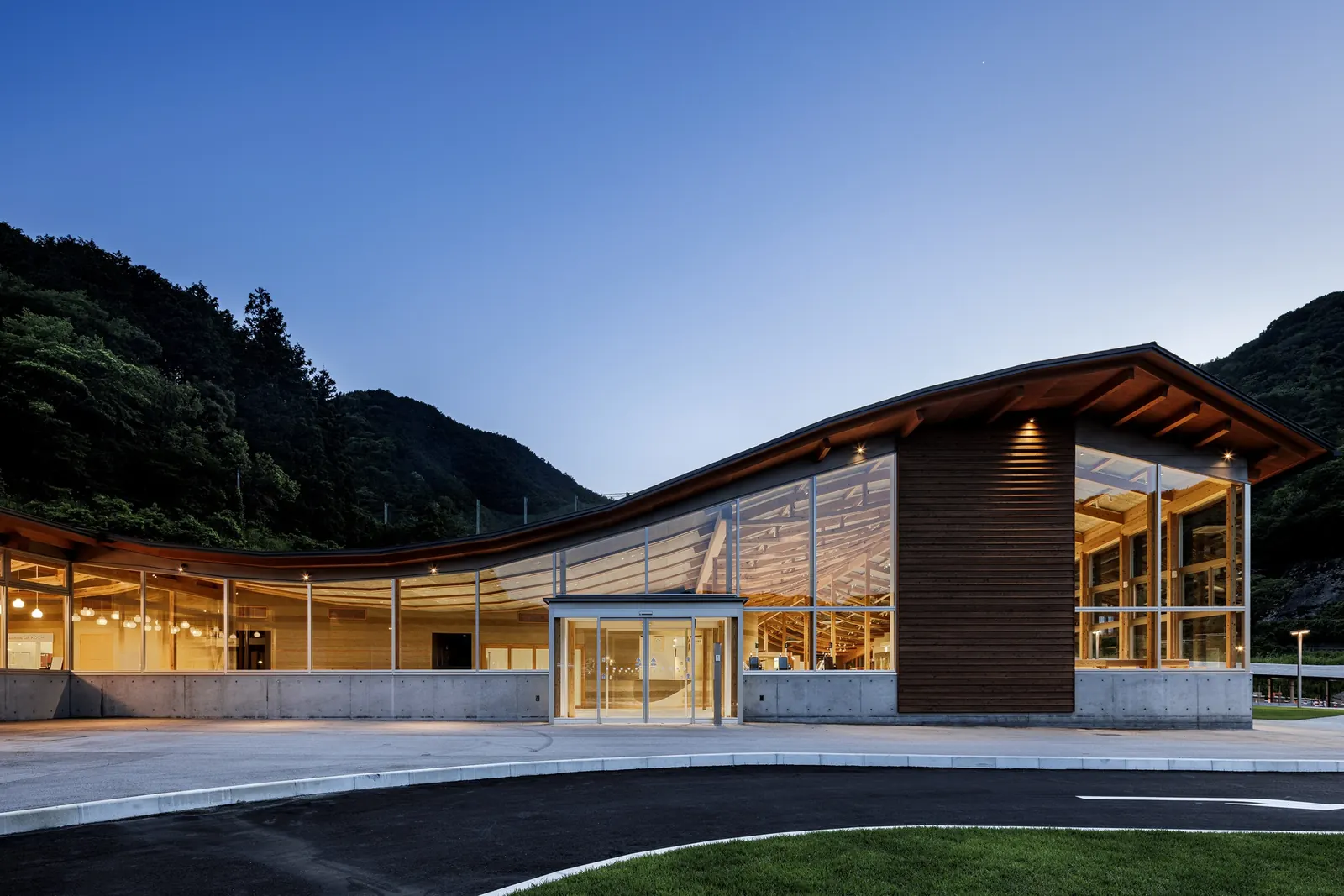
A new roadside station, named Makino’s Roadside Station, has been unveiled in Sakawa, Kochi Prefecture, a region celebrated as the birthplace of Tomitaro Makino, widely regarded as the father of Japanese botany. The facility, a result of an open proposal competition, was conceived by a collaborative team comprising Wakatake Town Planning Research Institute, STUDIO YY, and WORKSTATION.
A Deep Connection to Nature
The design ethos for Makino’s Roadside Station was driven by a profound respect for the natural environment that Tomitaro Makino held dear. The architects deliberately moved beyond initial project conditions, focusing instead on capturing the inherent beauty of Sakawa’s landscape. This ambition to reflect Makino’s appreciation for nature was central to the project’s development, aiming to create a space that resonates with the spirit of the region.
The commitment to this vision was so significant that the town’s mayor, who was part of the jury, reportedly shared that the proposal had appeared in his dreams. This anecdote underscores the deep connection the design forged with the essence of Sakawa and its most celebrated historical figure.
Architectural Collaboration
The project represents a synergy between three distinct architectural entities: Wakatake Town Planning Research Institute, STUDIO YY, and WORKSTATION. Their combined expertise contributed to a design that is both responsive to its context and innovative in its approach to public infrastructure. The facility serves as a “Michi-no-Eki,” a Japanese roadside station, which typically offers rest areas, local produce, and information to travelers.
Materials and Context
The architectural design prominently features wood and steel, materials that likely complement the natural surroundings and provide a sense of enduring strength. The location in Sakawa, Kochi Prefecture, is significant, placing the station within a landscape historically linked to botanical exploration and discovery through the work of Tomitaro Makino.
This initiative not only provides a functional public space but also serves as a cultural landmark, honoring a significant figure in Japanese scientific history and celebrating the unique natural heritage of the region. The design’s success is measured by its ability to integrate seamlessly with its environment and spiritually connect with the legacy of Dr. Makino.
Key facts
| Feature | Detail |
| :—————— | :——————————————————————– |
| Project Name | Makino’s Roadside Station |
| Location | Sakawa, Kochi Prefecture, Japan |
| Architects | Wakatake Town Planning Research Institute, STUDIO YY, WORKSTATION |
| Honoree | Tomitaro Makino (Father of Japanese Botany) |
| Design Inspiration | Natural landscape of Sakawa |
| Materials | Wood, Steel |
The development of Makino’s Roadside Station is of particular interest to readers of Paionia7 as it highlights how contemporary public architecture can be deeply rooted in local history and natural heritage. The project demonstrates a thoughtful approach to creating infrastructure that not only serves practical needs but also acts as a cultural tribute, celebrating a significant figure like Tomitaro Makino and the unique landscape of Kochi Prefecture. This integration of cultural legacy and environmental sensitivity aligns with broader discussions in architecture and urbanism regarding meaningful place-making.
Source: https://www.archdaily.com/1042817/makinos-roadside-station-wakatake-town-planning-research-institute-plus-studio-yy-plus-workstation
Datos clave
| Punto | Detalle |
|---|---|
| Fuente | ArchDaily |
| Fecha | 2026-06-29T19:00:00+00:00 |
| Tema | Makino's Roadside Station / Wakatake Town Planning Research Institute + STUDIO YY + WORKSTATION |
Source
ArchDaily Original publication: 2026-06-29T19:00:00+00:00
Related news
SIITUA III to Gather International Researchers on Territory, Urbanism, and Architecture in Lima
The third edition of the International Seminar on Research in Territory, Urbanism, and Architecture (SIITUA III) will take place in Lima, organized…
Read more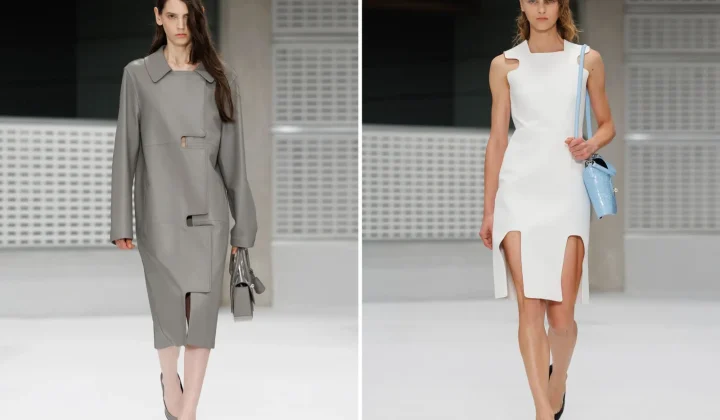
Christopher Kane brings streamlined, heritage-driven vision to Mulberry in London Fashion Week debut
The Scottish designer presented his first collection for the British leather goods house at London Fashion Week, blending sharp tailoring, archival references…
Read more
When Film Directors Become Interior Designers: Guadagnino, Lynch, Anderson and Almodóvar Step Off Screen
From Luca Guadagnino’s Zara Home collection to David Lynch’s Paris club and Wes Anderson’s train carriage, a wave of collaborations is blurring…
Read more
Jesus Mari Lazkano Examines Changing Landscapes Through Painting and Animated Film at Basque Luxury Studio
The Basque artist’s exhibition ‘Azken Natura’ brings together six large-scale paintings and a 22-minute animated film that traces the melting of the…
Read moreRelated wiki
Adaptive Reuse in Architecture
Reference page for reuse, retrofit, conversion, embodied carbon and design constraints.
Read more