
Marine Interiors: Seven Designs That Elevate Life at Sea
Dezeen rounds up seven innovative boat interiors, from opulent superyachts to minimalist houseboats, showcasing functional creativity in confined maritime spaces.
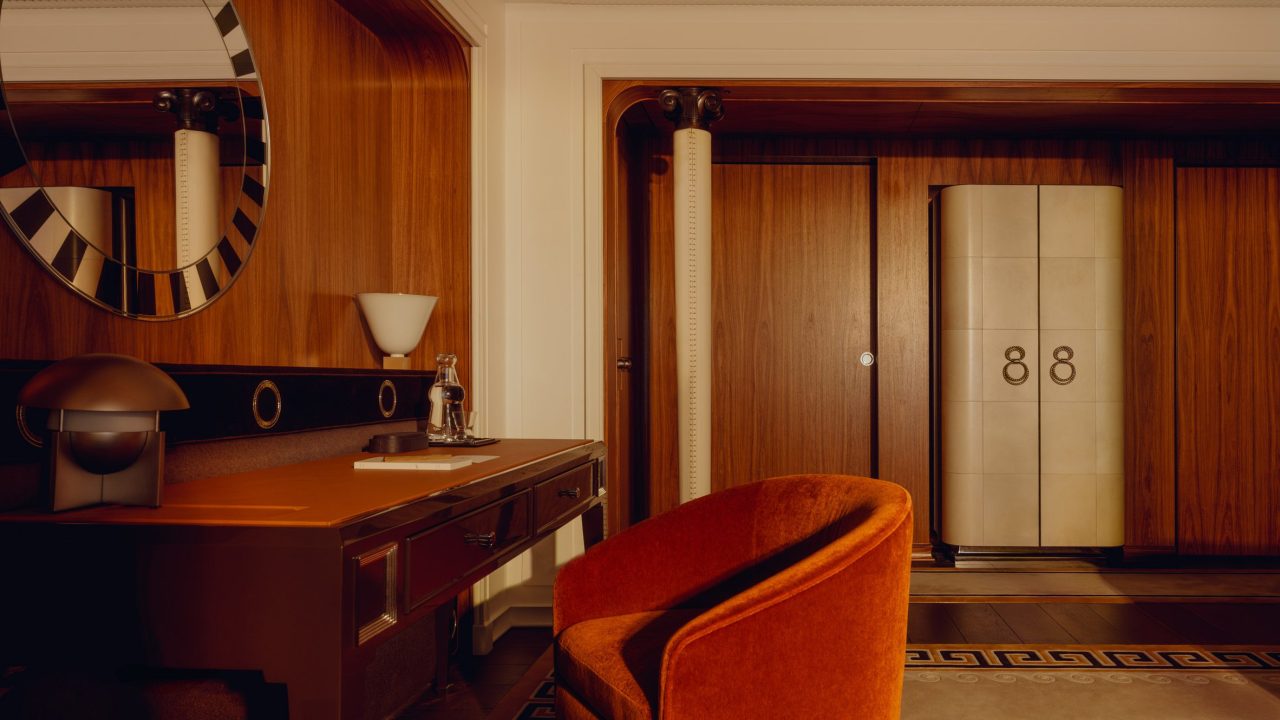
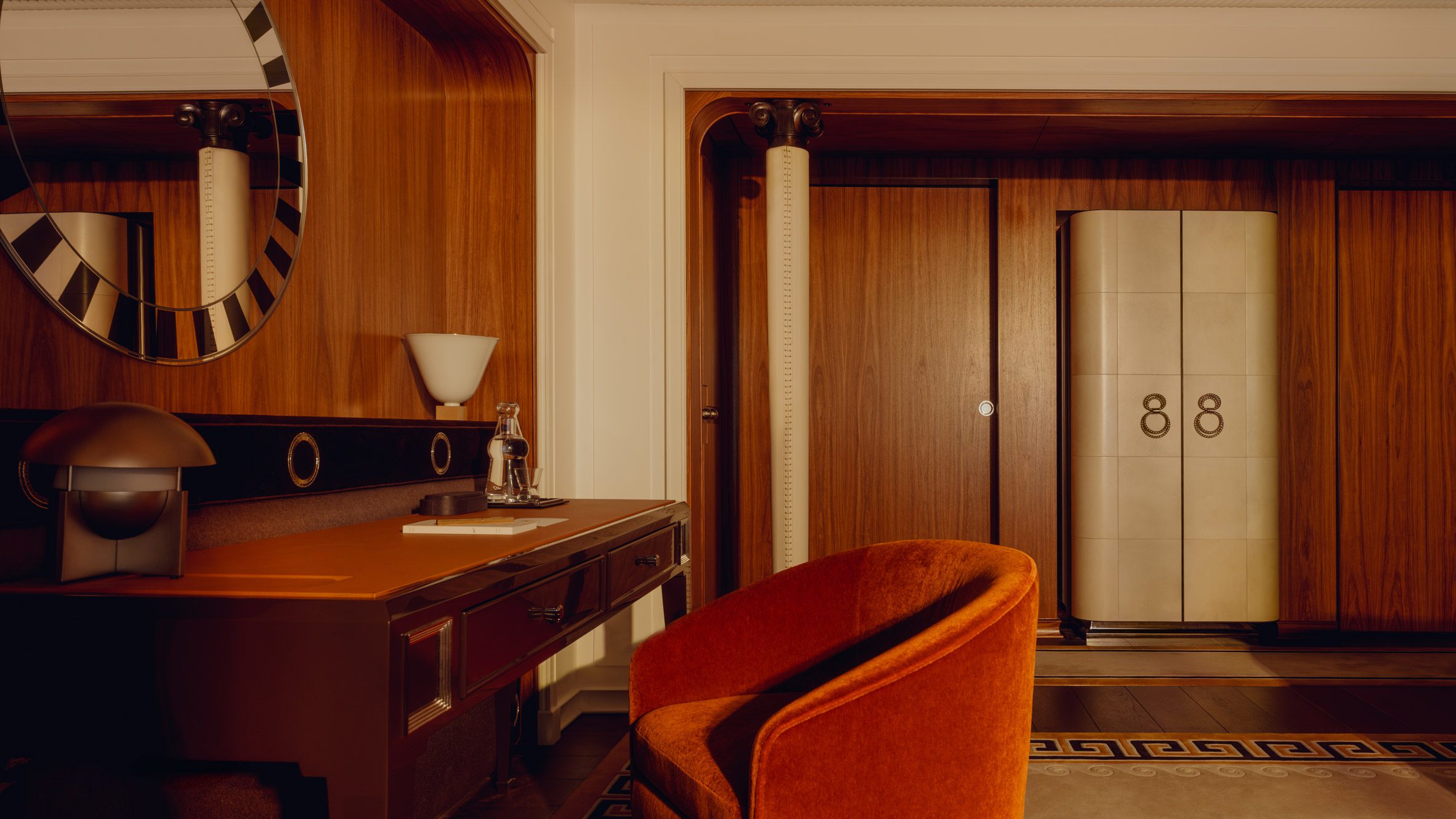
Dezeen has curated a collection of seven boat interiors that exemplify the unique challenges and creative solutions inherent in designing for life at sea. These spaces range from the extravagant luxury of superyachts to the compact functionality of houseboats, demonstrating how architects and designers adapt to confined, often dynamic, environments. The selection underscores the principle that designing for a vessel at sea shares common ground with terrestrial interior design, particularly in its focus on efficient use of space and the creation of comfortable living areas, even on larger yachts.
This showcase is part of Dezeen’s ongoing lookbooks series, offering visual inspiration drawn from its extensive archive. Previous themes have included statement sofas, tattoo parlours, and blockwork walls, indicating a broad interest in distinct interior typologies. The featured boat interiors highlight specialized design thinking, where every element must serve a purpose while contributing to an overall aesthetic and comfortable experience for occupants.
The World, USA, by Studio Ahead
Located aboard “The World,” a vast private yacht comprised of 165 suites, this interior project by Studio Ahead faced the logistical challenge of being assembled in stages as the vessel traveled between ports. Designed for a client transitioning to a life of regular travel after retiring from a vacation home in Lake Tahoe, California, the interior needed to balance the client’s desire for a familiar comfort with the unique constraints of a mobile dwelling. The project required meticulous planning to ensure seamless integration with the yacht’s structure and systems, reflecting a sophisticated approach to bespoke residential design in an unconventional setting.
Sneci, Hungary, by Tamás Bene
Hungarian architect Tamás Bene designed the “Sneci” houseboat as a holiday home for a young couple from Budapest, situated on Lake Tisza. The design draws inspiration from traditional local fishing boats, a nod to the vernacular architecture of the region. Internally, the houseboat features a blend of redwood and thermowood cladding, creating a warm and natural ambiance. Despite its modest size, the design incorporates a functional, albeit tiny, kitchen, demonstrating efficiency in maximizing usable space within a compact footprint. This project highlights how contemporary design can reference and reinterpret local building traditions for modern living.
Orient Express Corinthian, France, by Maxime d’Angeac
Christened the “world’s largest sailing yacht,” the 220-meter Orient Express Corinthian presents an interior characterized by opulence and a classic aesthetic. The design is a testament to traditional craftsmanship, featuring works and objects sourced from approximately 2,000 artisans and ateliers. The interior palette employs moody hues contrasted with warm beige tones, creating an atmosphere of sophisticated luxury. This approach emphasizes the integration of fine art and artisanal crafts into the architectural fabric of the yacht, positioning it as a floating gallery and a statement of refined taste.
Entourage, Canada, by Damien Yachting and Burdifilek
Canadian design studio Burdifilek employed a palette of blue hues for the superyacht “Entourage,” a deliberate choice to echo the surrounding marine environment. The main deck features a spacious, open sitting room. A distinctive design element is the integration of fumed oak skirting that cleverly doubles as seating, forming window seats that offer panoramic views of the ocean. This design seamlessly blends aesthetic considerations with practical functionality, creating a cohesive and immersive experience of living at sea.
Fàng Sōng, Berlin, by Crossboundaries
Beijing architecture office Crossboundaries transformed an existing houseboat into a compact, solar-powered vessel named “Fàng Sōng.” This innovative houseboat is capable of traveling up to 50 kilometers per day and is moored in Berlin. The interior is characterized by a vibrant yellow and red color scheme, creating an energetic and visually stimulating environment. To optimize the limited space, the design incorporates a variety of adaptable and foldable furniture, underscoring a commitment to efficient and flexible living solutions for a sustainable, mobile lifestyle.
Kon-Tiki boat, Chile, by Mutuus Studio
Chilean architect Guillermo Acuña undertook the redesign of a damaged boat, the “Kon-Tiki,” for his uncle. The interior is predominantly clad in wood, lending a natural and warm character to the space. Externally, Acuña introduced an ornamental overhang and a decorative skylight, features that enhance both the aesthetic appeal and the internal ambiance of the vessel. This project demonstrates a thoughtful approach to renovation, respecting the vessel’s structure while introducing contemporary design elements.
Y9 sailing yacht, Germany, by Norm Architects
Danish studio Norm Architects designed a serene and calming interior for the Y9 luxury sailing yacht. The studio describes the interior as “pared-back,” emphasizing a minimalist aesthetic that allows for the occupants’ lives to take center stage. Despite its simplicity, the space is rich in detail, with a thoughtful selection of materials contributing to its overall tranquil atmosphere. This approach highlights a design philosophy focused on creating understated elegance and a sense of well-being within the confined space of a high-performance yacht.
Key facts
- The World: The World (yacht) | Studio Ahead | Private Yacht Suite
- Sneci: Lake Tisza, Hungary | Tamás Bene | Houseboat
- Orient Express Corinthian: France | Maxime d’Angeac | Sailing Yacht
- Entourage: Canada | Damien Yachting/Burdifilek | Superyacht
- Fàng Sōng: Berlin, Germany | Crossboundaries | Solar-powered Houseboat
- Kon-Tiki boat: Chile | Mutuus Studio | Redesigned Boat
- Y9 sailing yacht: Germany | Norm Architects | Sailing Yacht
This collection of marine interiors offers valuable insights for architects, designers, and clients involved in naval architecture and interior design. It emphasizes the critical importance of functional creativity, material selection, and spatial planning when working within the constraints of maritime environments. The projects demonstrate how innovative solutions can transform potentially restrictive spaces into highly desirable and comfortable living areas. For city dwellers and urban planners, these designs offer lessons in efficient space utilization and multi-functional design that can be applied to dense urban housing and adaptable living concepts. The use of sustainable materials and energy-efficient technologies, as seen in the Fàng Sōng houseboat, also points towards future trends in eco-conscious design, relevant to broader discussions on sustainability in the built environment.
Source: Dezeen – https://www.dezeen.com/2026/05/24/seven-boat-interiors-round-up/
Source
Dezeen Original publication: 2026-05-24T09:00:16+00:00
Related news
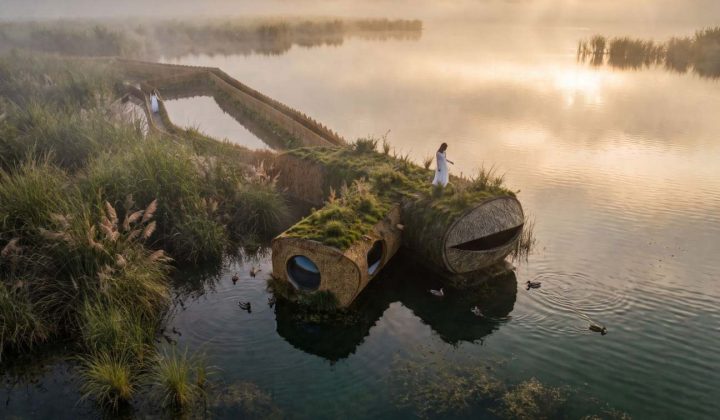
MIV Architects Proposes Wetland Pavilion That Prioritizes Non-Human Habitats Over Human Comfort
The Spanish firm’s “Nidos de Agua” concept for the Albufera natural park in Valencia aims to rebalance the relationship between building and…
Read more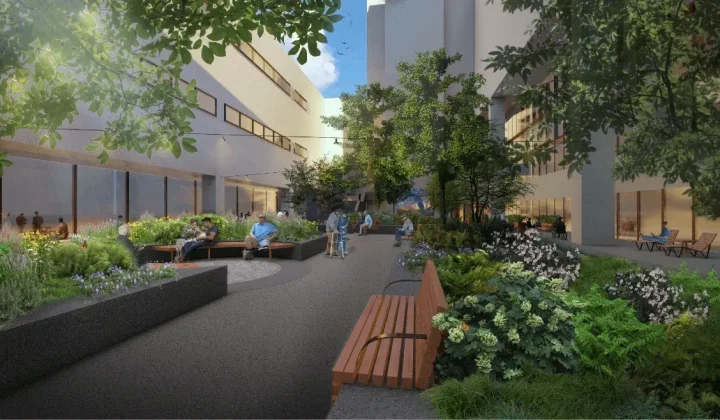
Nelson Byrd Woltz Begins Construction on Restorative Eagle Courtyard at Walter Reed Medical Center
Construction has started on a redesigned Eagle Courtyard at Walter Reed National Military Medical Center, led by Nelson Byrd Woltz Landscape Architects.…
Read more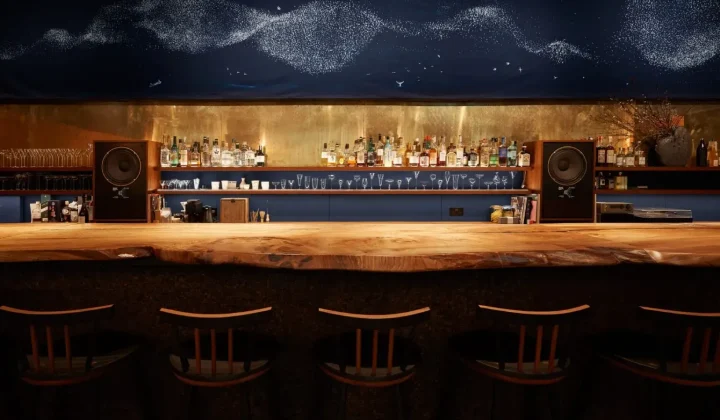
London’s listening bar boom reflects a deeper shift in hospitality design and music culture
A wave of Japanese-inspired listening bars is reshaping London’s nightlife, but owners and critics are asking whether the concept can survive commercial…
Read more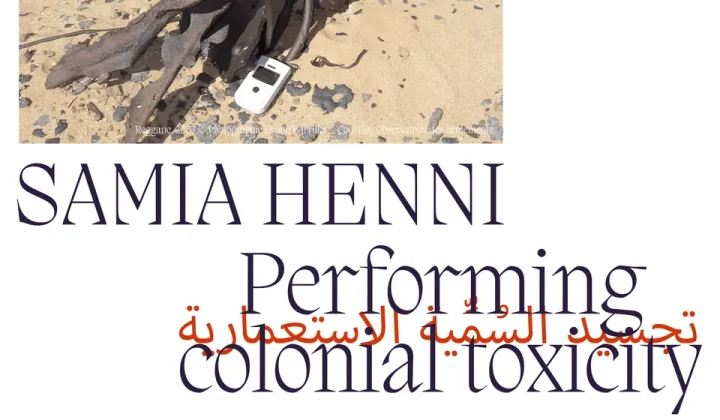
Performing Colonial Toxicity Exhibition in Valencia Examines Architecture’s Role in Nuclear Colonialism
From 24 October to 1 November 2026, Aguas Internacionales in Valencia hosts Samia Henni’s exhibition on French nuclear testing in the Algerian…
Read moreRelated wiki
Adaptive Reuse in Architecture
Reference page for reuse, retrofit, conversion, embodied carbon and design constraints.
Read more