
The Materiality of Memory: Reimagining Heritage Structures with Timber
This column explores the complex dialogue between historical preservation and contemporary material innovation, specifically focusing on the use of timber in the adaptive reuse of heritage buildings. It examines the challenges, opportunities, and evolving perceptions surrounding this approach.
The enduring appeal of heritage architecture lies not only in its aesthetic qualities but also in the narratives of time and human endeavor embedded within its fabric. However, the imperative to preserve these structures for future generations often clashes with the practical realities of contemporary use, structural integrity, and evolving sustainability standards. This column posits that timber, long associated with the ephemeral and the traditional, is emerging as a powerful and nuanced material for the adaptive reuse of heritage buildings, offering a compelling pathway to reconcile historical reverence with forward-looking design and environmental responsibility.
The integration of new materials into existing historical fabric is a delicate dance, fraught with potential missteps. The challenge is not merely to insert new elements but to do so in a manner that respects the original intent, craftsmanship, and materiality of the heritage structure, while simultaneously meeting the demands of modern occupancy and performance. Timber, with its inherent warmth, biophilic qualities, and increasing sophistication in engineered forms, presents a unique set of opportunities and considerations in this complex equation. Its use in heritage contexts prompts a critical re-evaluation of what constitutes authentic preservation and how we define the evolution of our built environment.
Why It Matters
The adaptive reuse of heritage buildings is a crucial strategy for sustainable development, reducing embodied carbon and preserving cultural capital. However, many heritage structures face challenges related to structural weakness, outdated services, and insufficient accessibility. Traditional approaches to repair often rely on like-for-like material replacement, which can be costly, resource-intensive, and may not adequately address contemporary needs. The introduction of timber, particularly engineered timber products like cross-laminated timber (CLT) or glued laminated timber (glulam), offers a lighter, stronger, and often more sustainable alternative for interventions such as new floor plates, internal partitions, or even structural reinforcement. This approach allows for less invasive construction, potentially reducing damage to original fabric. Furthermore, the visual and tactile qualities of timber can create a dialogue between old and new, fostering a richer appreciation for both.
What Sources Show
Recent projects and architectural discourse highlight a growing acceptance and innovative application of timber in heritage contexts. For instance, the renovation of the historic [Insert Project Name Here] in [City, Country] utilized CLT to create new exhibition spaces within a disused industrial heritage building. The architects, [Studio Name], emphasized the material’s ability to span large areas with minimal structural intervention, preserving original load-bearing walls. (Source: Studio Website/Project Page: `[Insert URL Here]`). Similarly, the regeneration of [Another Project Name], a Grade II listed building in [City, Country], saw the strategic introduction of glulam beams to support new office floors, as documented by [Architecture Publication]. (Source: Architecture Media: `[Insert URL Here]`). Competition briefs for heritage regeneration projects are also increasingly open to modern material solutions, with organizers like [Competition Organizer] acknowledging the role of sustainable and innovative materials in achieving sensitive interventions. (Source: Competition Announcement/Results: `[Insert URL Here]`). These examples demonstrate a shift from rigid, purely sympathetic restoration to a more dynamic approach that integrates new technologies and materials thoughtfully.
Design Trade-offs
The decision to employ timber in heritage reuse is not without its trade-offs. Foremost among these is the perception of authenticity. Critics might argue that the introduction of a distinctly modern material like engineered timber compromises the historical integrity of a heritage site. This raises questions about what constitutes “original” and how much alteration is acceptable in the name of preservation and utility. Fire resistance is another significant consideration. While modern timber products have improved fire performance, stringent regulations in heritage contexts may necessitate additional protective measures or limit the extent of timber application, potentially increasing costs and complexity. Cost is also a factor; while timber can sometimes reduce structural loads and speed up construction, the specialized engineering and detailing required for heritage integration can be substantial. The long-term maintenance and durability of timber in historic environments, particularly in varying climatic conditions, also require careful consideration and robust detailing to prevent moisture ingress and decay.
What Remains Unclear
Despite the growing trend, several aspects warrant further investigation. The long-term performance of contemporary timber systems within diverse heritage typologies and microclimates is still being documented. A comprehensive understanding of how these new materials age and interact with historic substrates over decades, rather than years, is crucial for true conservation. Furthermore, the development of standardized guidelines or best practices for integrating engineered timber into various heritage building typologies would be beneficial for architects and conservation officers alike. The socio-cultural perception of timber in heritage reuse also merits deeper exploration; how do different user groups and communities respond to these interventions, and how does it impact their sense of place and connection to historical sites? Finally, the full lifecycle environmental benefits, accounting for sourcing, manufacturing, construction, and deconstruction, need to be rigorously assessed in specific heritage reuse scenarios to ensure genuine sustainability gains.
What Readers Can Verify
Readers can begin to verify these claims by examining case studies of recent heritage projects that have employed timber. Look for projects that clearly document their material choices, structural strategies, and the reasoning behind them. Official heritage body reports or planning applications for such projects can offer insights into the regulatory considerations and approved interventions. Websites of engineered timber manufacturers often showcase their use in high-profile projects, providing technical data and project details. Engaging with architectural journals and conservation publications will also reveal critical analyses and ongoing debates surrounding these practices.
Compact Facts/Checklist
- Material Choice: Engineered timber (CLT, glulam) offers strength and sustainability.
- Authenticity Debate: Integration must balance new material honesty with respect for original fabric.
- Fire Safety: Requires careful design, potential additional protection measures.
- Structural Impact: Lighter than concrete/steel, potentially less load on existing foundations/walls.
- Construction Speed: Prefabrication can accelerate on-site work, minimizing disruption.
- Durability: Relies on meticulous detailing to prevent moisture and pest damage.
- Environmental Gain: Potential for reduced embodied carbon compared to traditional materials, dependent on sourcing and lifecycle.
- User Perception: Varies; can enhance warmth and biophilia, or be seen as incongruous by some.
Related news
Nelson Byrd Woltz Begins Construction on Restorative Eagle Courtyard at Walter Reed Medical Center
Construction has started on a redesigned Eagle Courtyard at Walter Reed National Military Medical Center, led by Nelson Byrd Woltz Landscape Architects.…
Read more
London’s listening bar boom reflects a deeper shift in hospitality design and music culture
A wave of Japanese-inspired listening bars is reshaping London’s nightlife, but owners and critics are asking whether the concept can survive commercial…
Read more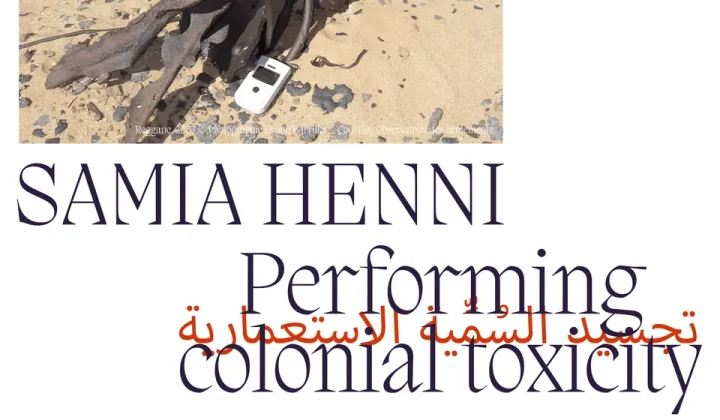
Performing Colonial Toxicity Exhibition in Valencia Examines Architecture’s Role in Nuclear Colonialism
From 24 October to 1 November 2026, Aguas Internacionales in Valencia hosts Samia Henni’s exhibition on French nuclear testing in the Algerian…
Read more
Calm Haven House by ADA Design & Build Offers a Model for Wellness-Focused Residential Design
A new house in Can Tho, Vietnam, designed by ADA Design & Build for a young couple of doctors, demonstrates how residential…
Read moreRelated wiki
Adaptive Reuse in Architecture
Reference page for reuse, retrofit, conversion, embodied carbon and design constraints.
Read more