Architecture Billings Index Hits Lowest Point of 2026 Amidst Economic Headwinds
The American Institute of Architects' key economic indicator reveals a significant downturn in billings for May, reaching its lowest score of the year and signaling growing concerns for the architectural sector.

TITLE: Architecture Billings Index Hits Lowest Point of 2026 Amidst Economic Headwinds
SLUG: may-architecture-billings-index-drops-lowest-year
EXCERPT: The American Institute of Architects’ key economic indicator reveals a significant downturn in billings for May, reaching its lowest score of the year and signaling growing concerns for the architectural sector.
CATEGORY: Architecture News
TAGS: Architecture Billings Index, AIA, economic conditions, architectural practice, industry outlook
SEO_TITLE: May Architecture Billings Index Drops to Lowest of 2026
SEO_DESCRIPTION: The AIA’s Architecture Billings Index fell to 44.5 in May, its lowest point this year, reflecting economic pressures impacting architectural firms.
MEDIA_QUERY: architectural firm office interior
IMAGE_ALT: Interior view of a modern architectural firm’s office with designers working at desks.
The American Institute of Architects’ (AIA) Architecture Billings Index (ABI) recorded its lowest score of 2026 in May, dropping to 44.5. This marks a significant decline from April’s score, which hovered near the 50 mark, the threshold indicating growth in billings. The ABI, a monthly survey tracking business conditions for the architectural industry, has remained below 50 since January 2023, signaling a sustained period of contraction or stagnation.
Economic Headwinds Impact Billings
AIA Chief Economist Richard Branch attributed the notable decrease in billings in May to the ongoing conflict in Iran and rising energy costs. These external factors, coupled with existing economic pressures, have created an environment of uncertainty that is directly affecting architectural firms’ financial performance.
New Design Inquiries and Signed Contracts Also Decline
Adding to the concerns, the May report indicates a dip in new design inquiries, following four months of growth. Furthermore, the value of newly signed design contracts has decreased, reaching its lowest level since January. This dual decline in both future project pipelines and immediate contract signings suggests a broader slowdown in demand for architectural services.
Branch elaborated on the contributing factors, stating, “The uncertainty created by the Iran conflict, and substantially higher energy costs, weighed on architect billings in May. Higher interest rates, rapidly rising material costs, and continued labor shortages all contributed to softer demand.”
Regional and Project Type Variations
While the overall index shows a downturn, billings in the South region were the closest to reporting increased growth, with a score of 49.6 in May. This suggests some regional resilience within the industry.
In terms of project types, firms specializing in multifamily residential projects reported a less pronounced decrease in billings compared to those working in institutional, commercial/industrial, and mixed practice sectors. This indicates that certain segments of the market may be weathering the economic pressures more effectively than others.
Future Outlook for 2026
In addition to the current billing figures, the AIA also surveyed respondent firms about their expectations for billings for the remainder of 2026. At the end of March, 21 percent of firms anticipated a decline of 5 percent or more in their billings for the second quarter. The May survey reveals that now, one quarter of firms expect their billings to decline in the third quarter.
Conversely, 46 percent of firms expect their billings to remain about the same, while 30 percent anticipate an increase of 5 percent or more. This mixed outlook suggests that while many firms are bracing for continued challenges, a significant portion remains cautiously optimistic about potential growth in the latter half of the year.
The report also touches upon broader economic policy discussions, noting that President Trump and Vice President JD Vance contend their “interim deal” with Iran will alleviate some of the financial strain the conflict has caused on the United States and its economy. The impact of such geopolitical and economic policies on the architectural sector remains a key factor to monitor.
Key facts
| Metric | Value | Date | Notes |
|—|—|—|—|
| Architecture Billings Index (ABI) | 44.5 | May 2026 | Lowest score of the year. |
| New Design Inquiries | Decreased | May 2026 | Followed four months of growth. |
| Value of Newly Signed Design Contracts | Lowest since January | May 2026 | Indicates reduced immediate project pipeline. |
| South Region ABI Score | 49.6 | May 2026 | Closest to reporting growth. |
This development is crucial for Paionia7 readers as it directly reflects the economic health of the architectural industry. Understanding these trends can help architects, developers, and related professionals make informed decisions about project planning, resource allocation, and business strategy in a challenging economic climate. The fluctuations in billings and contract signings offer insights into market demand and potential future project pipelines, which are essential for those involved in the built environment.
Source: The Architect’s Newspaper, https://www.archpaper.com/2026/06/may-architecture-billings-index-lowest-of-the-year/
Datos clave
| Punto | Detalle |
|---|---|
| Fuente | The Architect's Newspaper |
| Fecha | 2026-06-24T17:58:59+00:00 |
| Tema | May Architecture Billings Index drops score to lowest of the year |
Source
The Architect's Newspaper Original publication: 2026-06-24T17:58:59+00:00
Related news
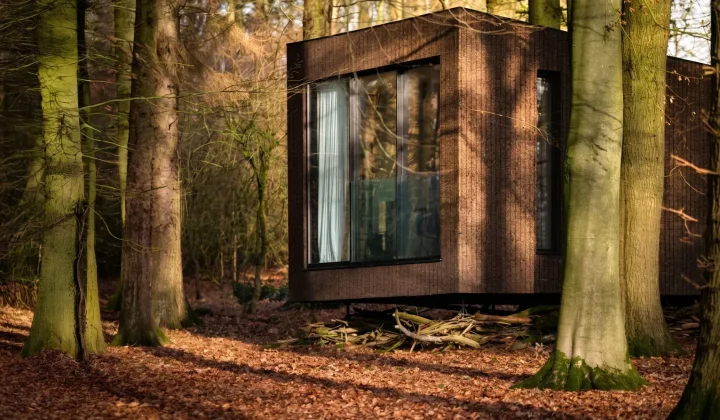
Koto launches Haku, a mobile prefab hotel suite built on a wheeled chassis to bypass UK planning restrictions
UK architecture studio Koto has unveiled Haku, a fully mobile prefabricated suite that legally qualifies as a caravan, allowing landowners and hotel…
Read more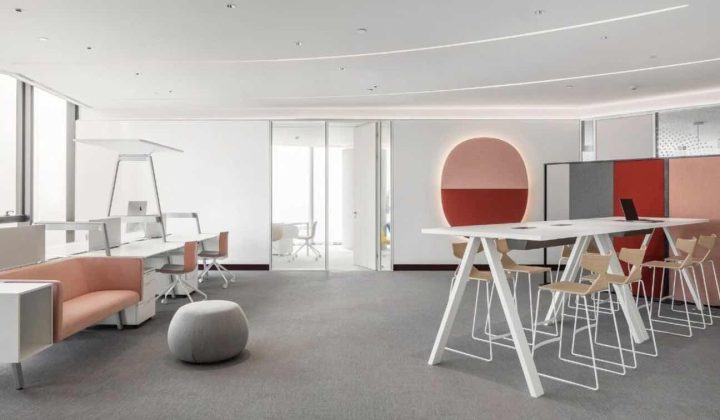
HONG Designworks Completes Private Office in Xi’an That Balances Memory, Materiality, and Long-Term Use
The Xi’an office by HONG Designworks integrates a folded steel staircase, retained furniture from a previous workspace, and a restrained purple-gray palette…
Read more
Handwoven Teak and Cord Outdoor Seating Debuts from Masaya and Abril Zepeda
Nicaraguan furniture brand Masaya has introduced two new handcrafted outdoor chairs — a rocking chair and a lounge chair — designed by…
Read more
Place in Mind: Hendricks Churchill Launches Hospitality Group to Revive Historic Properties
The architecture and interior design studio Hendricks Churchill has launched Place in Mind, a new hospitality group focused on acquiring, restoring, and…
Read moreRelated wiki
Adaptive Reuse in Architecture
Reference page for reuse, retrofit, conversion, embodied carbon and design constraints.
Read more