
Patio Pavers Gain Traction in Yard Design for Durability and Style
Patio pavers are emerging as a popular choice for outdoor spaces, offering homeowners and designers a versatile and durable solution for patios, walkways, and various yard features.
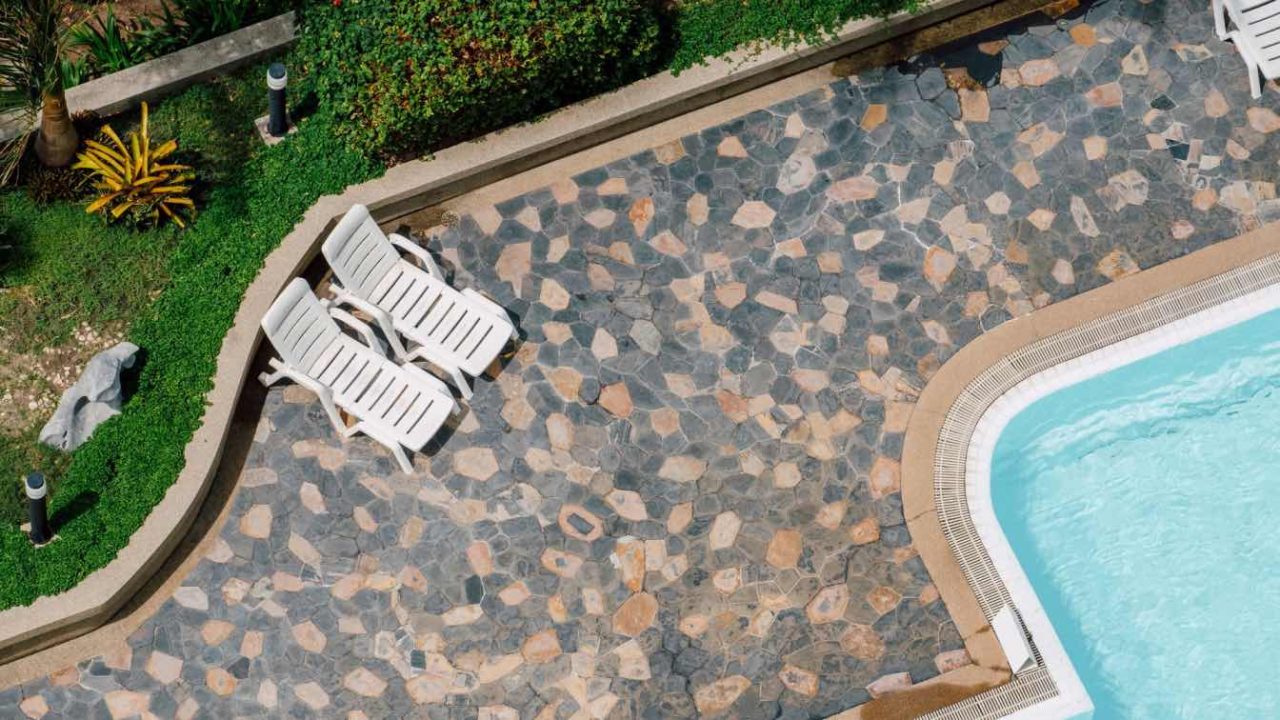
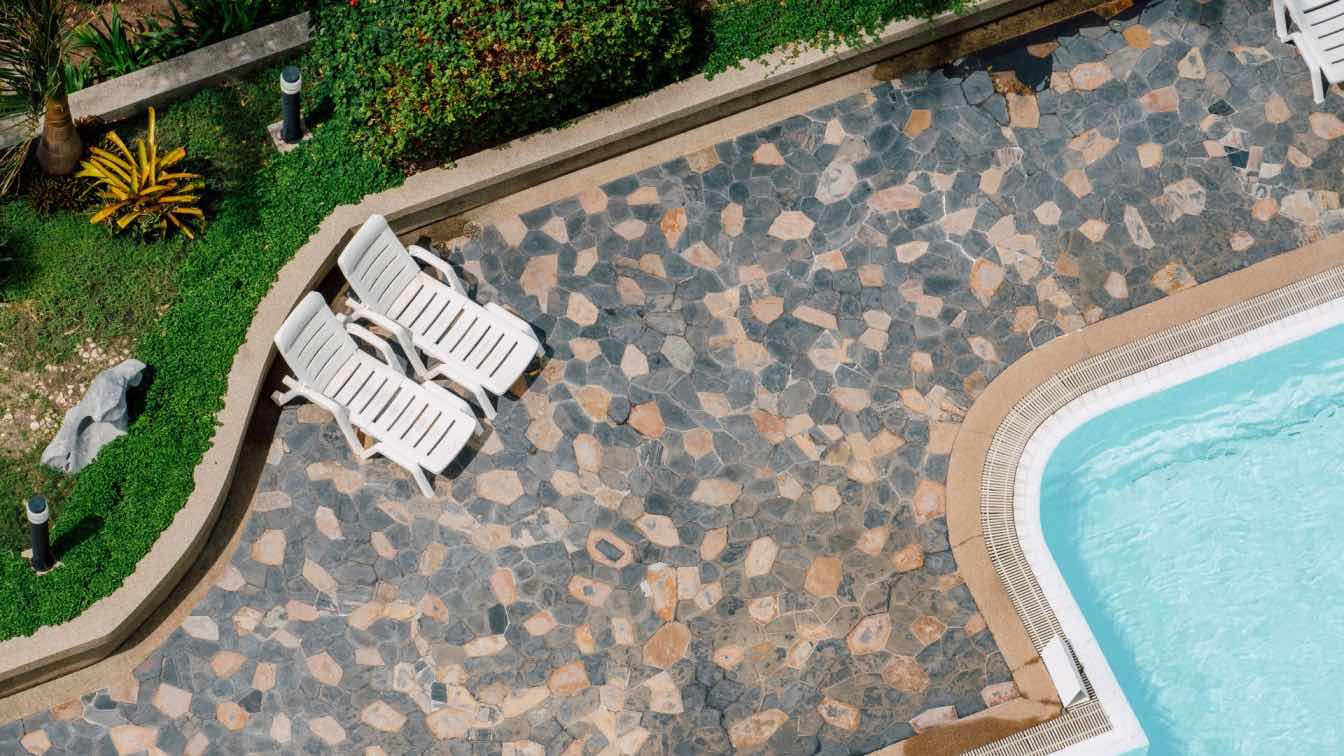
Patio pavers are increasingly becoming a preferred material for transforming outdoor areas, offering a blend of aesthetic appeal, functional durability, and extensive design possibilities. These individual paving units are used to construct robust and visually appealing surfaces for a wide range of applications, including patios, walkways, terraces, courtyards, pool decks, and general backyard living spaces.
The surge in popularity stems from their ability to provide greater texture, pattern variety, and structural definition compared to simpler outdoor flooring options like poured concrete or plain gravel. For those aiming to create a more refined and purposeful outdoor environment, patio pavers allow for the clear demarcation of zones, improved navigation, and the addition of a premium material layer to the landscape.
Key Facts
| Feature | Description |
|---|---|
| Material Variety | Natural stone, porcelain, concrete, brick, marble, limestone, travertine. |
| Design Flexibility | Wide range of sizes, shapes, colors, textures, and installation patterns. |
| Benefits | Durability, style, pattern options, texture, improved drainage potential. |
| Applications | Patios, walkways, pool decks, outdoor kitchens, fire pits, garden paths. |
A Foundation for Outdoor Living
Patio pavers are distinct from poured concrete as they are installed piece by piece, creating a stable surface with visible joints. This installation method allows for intricate patterns, borders, and design movements that are not possible with monolithic slabs. When compared to gravel, pavers offer a firmer and more comfortable surface for walking and seating. Against wood decking, they typically provide a more enduring, stone-like, and architectural aesthetic.
The versatility of pavers means they can enhance various parts of a yard. Large paver patios can serve as the primary outdoor living room, accommodating furniture for dining, relaxing, and entertaining. Garden paths can be elegantly defined, guiding movement through green spaces while protecting delicate plantings from foot traffic. Poolside areas can achieve a resort-like atmosphere with pavers that are suitable for wet conditions and offer slip resistance. Outdoor kitchens and dining areas benefit from the solid, cleanable, and organized surface pavers provide, clearly separating functional zones. Even fire pit areas are enhanced, creating comfortable gathering spots.
Design and Texture
A significant advantage of patio pavers is their extensive design flexibility. They can be laid in numerous patterns, including straight layouts, modular designs, running bonds, basketweave arrangements, grid compositions, or large-format modern styles. Contrasting pavers can be used to delineate edges, highlight walkways, or define seating zones, adding layers of visual interest.
Texture is another critical element that pavers introduce to yard design. In an environment that already incorporates plants, soil, grass, wood, water, metal, and architectural elements, a paver surface adds rhythm and depth. This textural variation contributes to a more intentional and visually rich outdoor space.
Material Choice and Aesthetic Impact
The material chosen for patio pavers significantly influences the overall design effect. Natural stone pavers are favored for their unique variations, organic textures, and timeless appeal, making each installation feel custom. Travertine, with its soft beige, ivory, and cream tones, is particularly popular for patios and pool areas, harmonizing well with natural greenery and light exterior walls.
Limestone pavers offer a refined and tranquil look, suitable for elegant patios and garden paths. Marble pavers, depending on their finish, can bring a more luxurious and polished appearance to outdoor spaces, ideal for projects seeking a high-end natural stone effect.
Porcelain pavers have become a strong contender in modern outdoor design, known for their consistent sizes, contemporary color palettes, and convincing stone-look finishes. Concrete pavers remain a widely used and practical option due to their availability in a vast array of shapes and their cost-effectiveness for larger projects, including driveways. Brick pavers offer a classic aesthetic, lending a traditional and warm character to outdoor installations.
Durability and Functionality
Beyond aesthetics, patio pavers are valued for their long-term durability and functional benefits. When installed correctly with a proper base and joint system, paver layouts can facilitate better water movement compared to some continuous hard surfaces, contributing to improved drainage. This inherent characteristic, when properly planned, can be a significant advantage in managing outdoor water runoff.
For contractors and property developers, the finished look provided by patio pavers can enhance the perceived value of a landscape, contributing to a more premium outdoor environment. They help transform underutilized outdoor areas into usable and comfortable spaces for a variety of activities, making every square foot of a yard feel more purposeful.
Source: Amazing Architecture – What Are Patio Pavers and Why Are They So Popular in Yard Design? (https://amazingarchitecture.com/articles/what-are-patio-pavers-and-why-are-they-so-popular-in-yard-design)
Source
Amazing Architecture Original publication: 2026-06-29T01:43:26+00:00
Related news
Koto launches Haku, a mobile prefab hotel suite built on a wheeled chassis to bypass UK planning restrictions
UK architecture studio Koto has unveiled Haku, a fully mobile prefabricated suite that legally qualifies as a caravan, allowing landowners and hotel…
Read more
HONG Designworks Completes Private Office in Xi’an That Balances Memory, Materiality, and Long-Term Use
The Xi’an office by HONG Designworks integrates a folded steel staircase, retained furniture from a previous workspace, and a restrained purple-gray palette…
Read more
Handwoven Teak and Cord Outdoor Seating Debuts from Masaya and Abril Zepeda
Nicaraguan furniture brand Masaya has introduced two new handcrafted outdoor chairs — a rocking chair and a lounge chair — designed by…
Read more
Place in Mind: Hendricks Churchill Launches Hospitality Group to Revive Historic Properties
The architecture and interior design studio Hendricks Churchill has launched Place in Mind, a new hospitality group focused on acquiring, restoring, and…
Read moreRelated wiki

Adaptive Reuse in Architecture
Reference page for reuse, retrofit, conversion, embodied carbon and design constraints.
Read more