
Natural Light Transforms Home Experience Through Architectural Design
Thoughtful integration of natural light in residential architecture enhances comfort, mood, and the perception of space, moving beyond mere aesthetics to impact daily living.
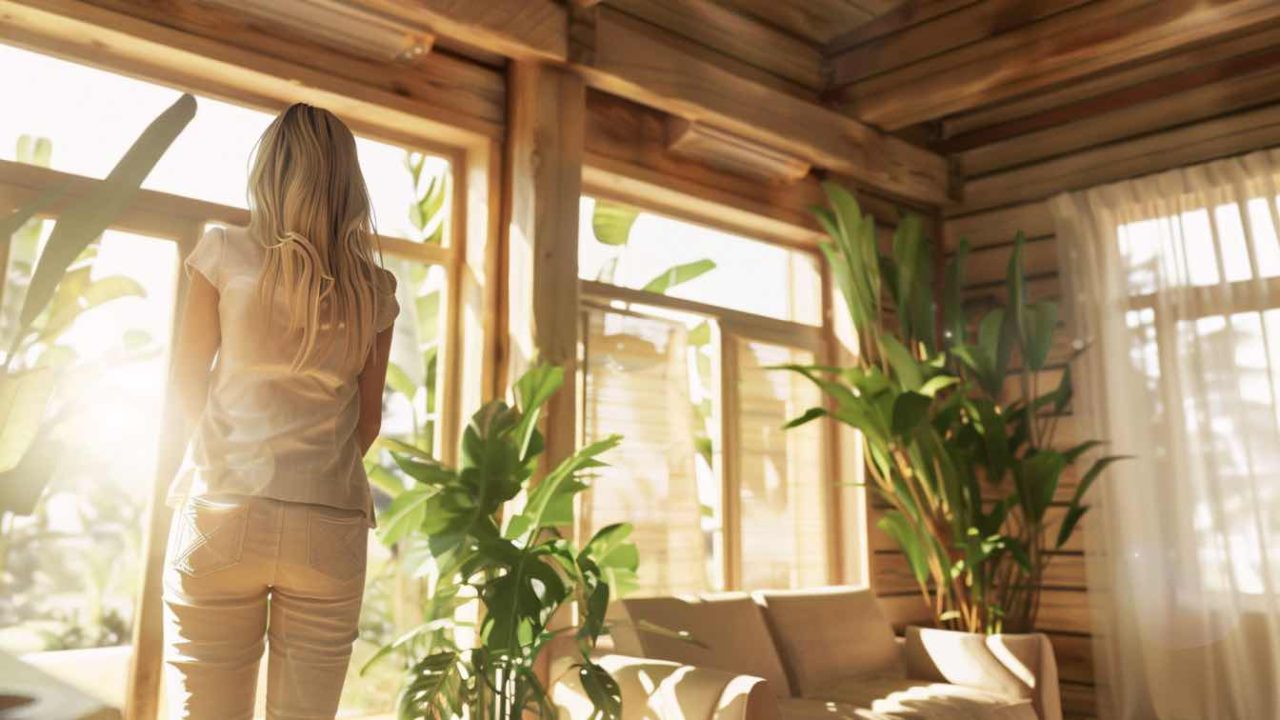
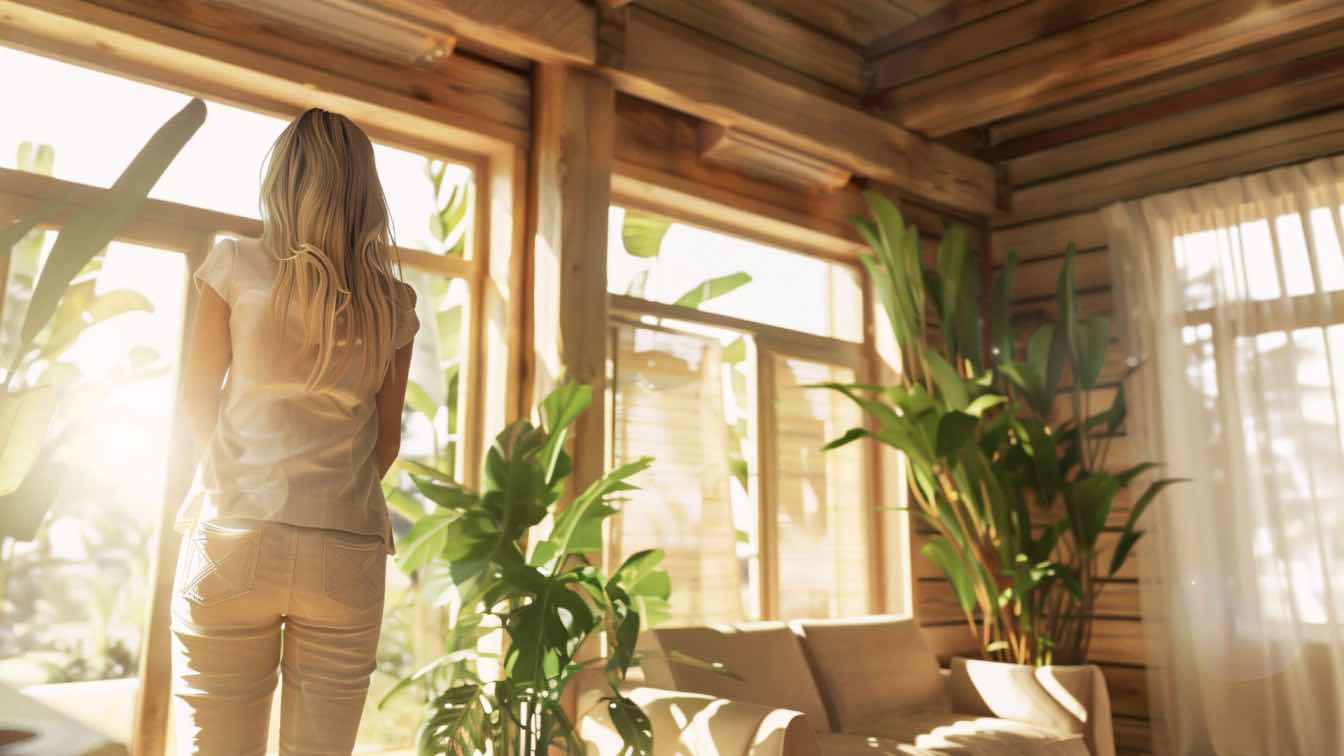
The way natural light interacts with a home’s interior is a fundamental, yet often understated, element of residential design. Beyond simply illuminating a space, daylight significantly influences how inhabitants experience their living environment, affecting mood, perceived spaciousness, and overall comfort. Architects are increasingly prioritizing the integration of natural light, recognizing its profound impact on daily life.
Designing with Light
The intentional use of natural light, often referred to as daylighting, involves more than just installing windows. It’s a design philosophy that treats light as a dynamic material. Architects focus on maximizing the penetration and distribution of daylight deep into a home’s structure. This approach aims to create living spaces that feel more open, comfortable, and connected to the outdoor environment.
Enhancing Perceptions of Space
Natural light has a remarkable ability to alter the perception of a room’s size. Brightness is instinctively read by the brain as openness, while darkness can create a sense of restriction. Sunlight can smooth out harsh shadows, soften architectural edges, and reveal depth, making surfaces appear more continuous. The strategic use of reflective materials such as glass, polished stone, and light-colored finishes further amplifies this effect, extending the visual boundaries of a space beyond its physical walls.
Impact on Mood and Well-being
The psychological effects of natural light are significant. Spaces bathed in daylight tend to evoke feelings of comfort and reduce a sense of static heaviness. This connection to natural light explains the common human tendency to gravitate towards windows during the day. Furthermore, consistent natural light is linked to improved productivity and focus, making it a crucial consideration for home offices, reading nooks, and kitchens where extended time is spent.
Architectural Strategies for Daylight
Achieving optimal natural light often requires deliberate architectural interventions. Larger windows are a direct method to increase light ingress, but their placement is equally critical. A well-positioned medium-sized window can be more effective than a poorly placed larger one. Innovations like glass partitions and frameless installations are employed to allow light to flow unimpeded through different areas of a building, reducing visual barriers. Open floor plans also facilitate the spread of light, as fewer walls stand in its path.
Layered Approaches to Light and Privacy
While maximizing openness is a goal, designers also consider the need for privacy and separation. Layered solutions, such as frosted or textured glass, allow light to penetrate while obscuring direct views. Strategic interior layouts, considering the placement of rooms relative to windows, help balance the desire for daylight with the requirement for seclusion. Window orientation also plays a vital role, as south-facing windows receive different light qualities and angles compared to north-facing ones, influencing design decisions. Skylights offer another valuable method for introducing light from above, particularly beneficial for interior rooms or hallways that lack wall space for windows.
Key facts
| Aspect | Description |
|---|---|
| Core Principle | Maximizing natural light for enhanced living experience. |
| Perceptual Effects | Increases perceived space, improves mood, reduces clutter perception. |
| Architectural Tools | Larger windows, strategic placement, glass partitions, open plans, skylights. |
| Material Role | Reflective surfaces amplify light distribution. |
This focus on natural light integration underscores a shift in residential design, moving beyond purely aesthetic concerns to prioritize the well-being and daily experience of inhabitants. It highlights how architectural decisions, from window size and placement to material choices, directly shape the quality of life within a home.
Source: Amazing Architecture – How Natural Light Changes the Way You Experience Your Home (https://amazingarchitecture.com/articles/how-natural-light-changes-the-way-you-experience-your-home)
Source
Amazing Architecture Original publication: 2026-07-06T19:38:32+00:00
Related news
Koto launches Haku, a mobile prefab hotel suite built on a wheeled chassis to bypass UK planning restrictions
UK architecture studio Koto has unveiled Haku, a fully mobile prefabricated suite that legally qualifies as a caravan, allowing landowners and hotel…
Read more
HONG Designworks Completes Private Office in Xi’an That Balances Memory, Materiality, and Long-Term Use
The Xi’an office by HONG Designworks integrates a folded steel staircase, retained furniture from a previous workspace, and a restrained purple-gray palette…
Read more
Handwoven Teak and Cord Outdoor Seating Debuts from Masaya and Abril Zepeda
Nicaraguan furniture brand Masaya has introduced two new handcrafted outdoor chairs — a rocking chair and a lounge chair — designed by…
Read more
Place in Mind: Hendricks Churchill Launches Hospitality Group to Revive Historic Properties
The architecture and interior design studio Hendricks Churchill has launched Place in Mind, a new hospitality group focused on acquiring, restoring, and…
Read moreRelated wiki

Adaptive Reuse in Architecture
Reference page for reuse, retrofit, conversion, embodied carbon and design constraints.
Read more