
Small Outdoor Spaces Bring Light and Nature into Homes
A new Dezeen lookbook showcases eight homes that ingeniously integrate pocket gardens and mini courtyards, transforming underutilized areas into sources of natural light and verdant views.

A growing trend in residential architecture emphasizes the integration of small outdoor spaces to enhance natural light and connection to nature within homes. A recent lookbook from Dezeen highlights eight distinct projects that creatively utilize “pocket gardens” and “mini courtyards,” demonstrating how even compact urban dwellings can benefit from these green oases. These designs prove that limited space does not preclude the incorporation of natural elements, offering homeowners moments of tranquility and visual relief.
Maximizing Underutilized Spaces
The featured projects demonstrate a keen understanding of how to repurpose often-overlooked areas of a property. Whether situated at the periphery of a building’s footprint or strategically placed within its core, these small outdoor zones are designed to draw daylight deep into living spaces. This approach not only brightens interiors but also provides occupants with direct views of greenery, fostering a sense of calm and well-being.
Bringing Nature Indoors
These pocket gardens and courtyards serve as extensions of the interior living environment. They are not merely decorative elements but functional spaces that offer a tangible connection to the natural world. From a functional perspective, they can improve air quality and provide a microclimate that benefits surrounding areas. Architecturally, they break down the solid mass of a building, allowing light and air to penetrate areas that might otherwise be dark and enclosed.
Diverse Design Approaches
The lookbook reveals a variety of architectural responses to incorporating these small gardens. Some designs feature minimalist, Zen-like arrangements with simple plantings and stone, while others embrace a more lush, abundant planting style. The materials used in conjunction with the gardens, such as wood, concrete, and glass, are carefully selected to complement the natural elements and enhance the overall aesthetic. Large glazed doors and windows are a common feature, ensuring a seamless transition between indoor and outdoor spaces and maximizing the visual impact of the gardens.
The Importance of Light and Views
In urban settings where natural light can be scarce and private outdoor space is at a premium, these integrated gardens are particularly valuable. They offer a respite from the built environment, providing a daily dose of nature that is crucial for mental and physical health. The visual connection to greenery, even from a small courtyard, can significantly impact the perceived spaciousness and livability of a home. These designs underscore a shift towards creating more holistic and nature-integrated living environments.
Key facts:
| Feature | Description |
|---|---|
| Core Concept | Integration of small outdoor spaces (pocket gardens, mini courtyards) into homes. |
| Primary Benefit | Maximizing natural light and providing views of nature. |
| Location of Spaces | Corners of sites or central to the home. |
| Design Goal | Create peaceful moments and enhance well-being in compact spaces. |
| Source | Dezeen Lookbook |
This exploration of pocket gardens and mini courtyards offers valuable insights for architects, designers, and homeowners interested in creating more light-filled, nature-connected living spaces, particularly in dense urban environments. The featured projects serve as inspiration for innovative solutions that enhance both the aesthetics and the quality of life within residential architecture.
Source: Dezeen, https://www.dezeen.com/2026/07/12/pocket-gardens-courtyards-lookbooks/
Source
Dezeen Original publication: 2026-07-12T09:00:53+00:00
Related news
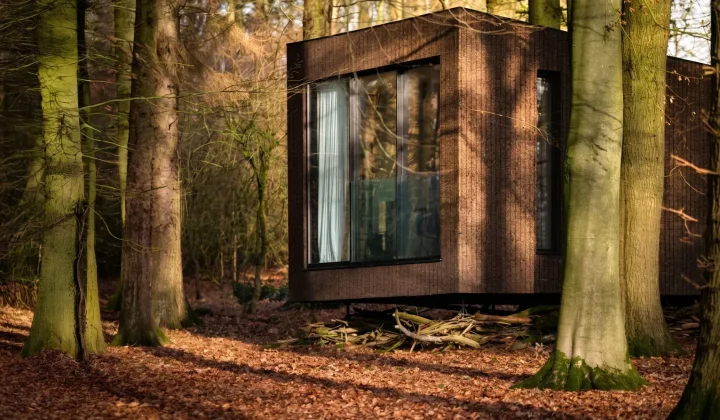
Koto launches Haku, a mobile prefab hotel suite built on a wheeled chassis to bypass UK planning restrictions
UK architecture studio Koto has unveiled Haku, a fully mobile prefabricated suite that legally qualifies as a caravan, allowing landowners and hotel…
Read more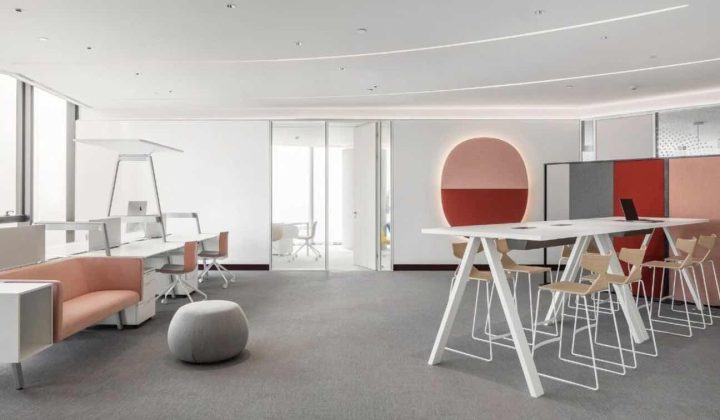
HONG Designworks Completes Private Office in Xi’an That Balances Memory, Materiality, and Long-Term Use
The Xi’an office by HONG Designworks integrates a folded steel staircase, retained furniture from a previous workspace, and a restrained purple-gray palette…
Read more
Handwoven Teak and Cord Outdoor Seating Debuts from Masaya and Abril Zepeda
Nicaraguan furniture brand Masaya has introduced two new handcrafted outdoor chairs — a rocking chair and a lounge chair — designed by…
Read more
Place in Mind: Hendricks Churchill Launches Hospitality Group to Revive Historic Properties
The architecture and interior design studio Hendricks Churchill has launched Place in Mind, a new hospitality group focused on acquiring, restoring, and…
Read moreRelated wiki

Adaptive Reuse in Architecture
Reference page for reuse, retrofit, conversion, embodied carbon and design constraints.
Read more