
Restoring Akron’s Historic Facades: Why Pressure Washing Technique Matters More Than Pressure
A detailed look at how restoration crews in Akron, Ohio, are using targeted low-pressure, high-volume washing to clean century-old brick, sandstone, and mortar without damaging irreplaceable materials.
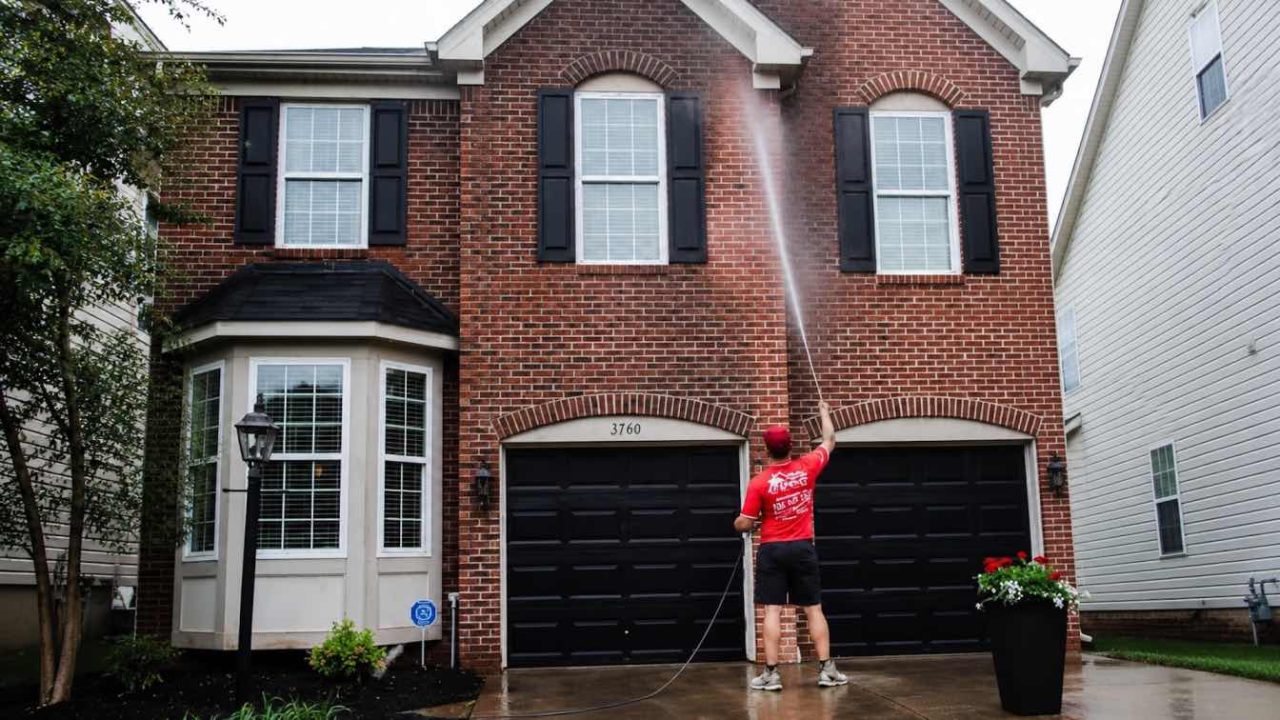
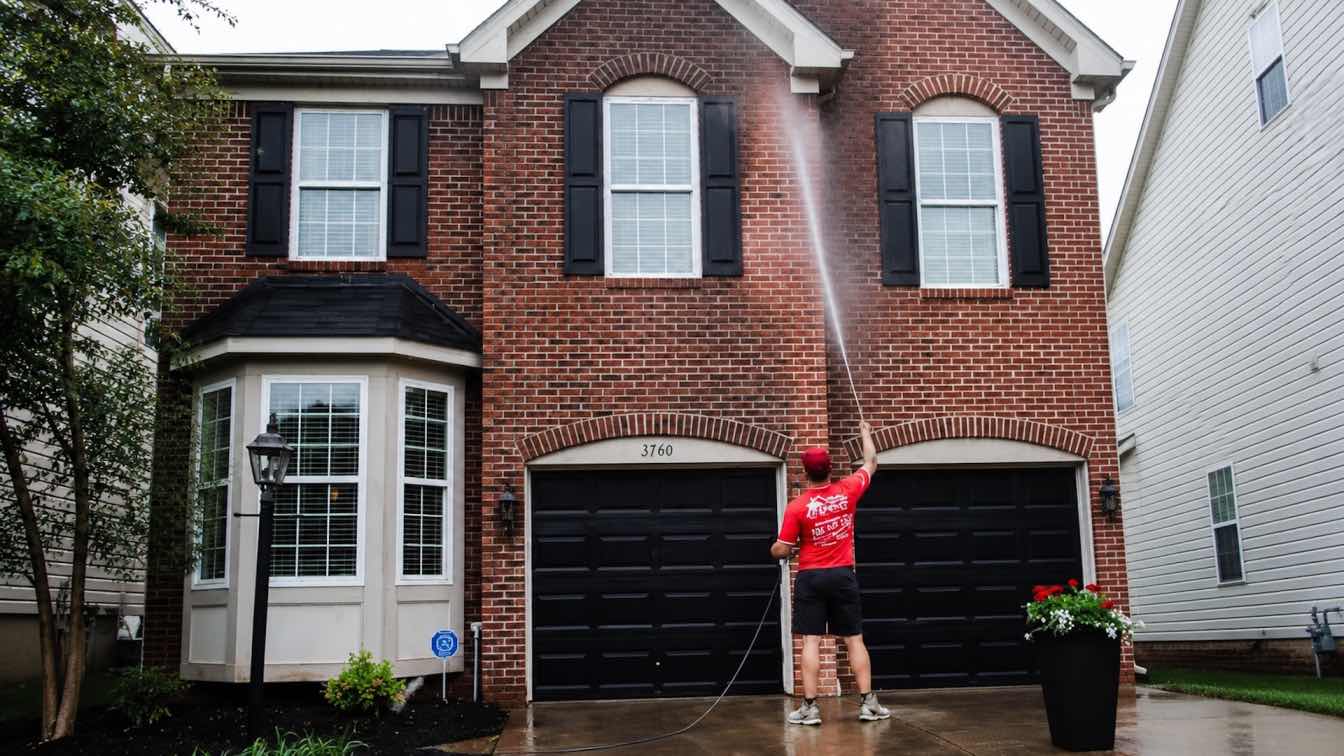
A century of industrial soot, biological growth, and freeze-thaw cycles has left many of Akron, Ohio’s historic buildings wearing a heavy layer of grime that owners often mistake for permanent patina. But according to restoration professionals quoted in a recent article by Amazing Architecture, the staining is not structural character—it is removable carbon buildup, algae, and pollution that, if left untreated, can accelerate deterioration of the underlying masonry.
The article, authored by Liliana Alvarez, explains that the pressure washing methods effective on modern vinyl siding can cause irreversible damage to the porous sandstone, soft mortar, and painted wood trim found on older Akron structures. The key variable is not PSI, but water volume, nozzle angle, and dwell time—factors that determine whether a cleaning job becomes a preservation success or a costly mistake.
Why Akron’s buildings require a different approach
Akron expanded rapidly during the early twentieth-century rubber boom, and much of its construction used local sandstone, red brick, and early concrete formulations that are far more porous than modern equivalents. These materials have absorbed decades of industrial-era soot and moisture deep into their surfaces, making generic cleaning advice ineffective. The article notes that historic sandstone and limestone need low-pressure, high-volume application with longer dwell time rather than aggressive direct pressure. Older mortar joints are almost always softer than the surrounding brick, so uneven pressure can erode the joint before it touches the brick itself.
Painted wood trim on Victorian-era homes presents an additional challenge: old paint layers may contain lead, which should not be aerosolized carelessly. Modern additions bonded to older structures often require two completely different approaches on the same wall, since the materials age at different rates.
Biological growth as a hidden threat
While soot gets most of the attention, the article emphasizes that algae, moss, and mildew cause more long-term damage to historic facades. These organisms hold moisture against porous stone and brick, accelerating freeze-thaw cracking during Ohio’s brutal winter cycles. Removing biological growth without a follow-up treatment invites it back within a season, especially on north-facing walls that stay shaded and damp for months. The buildings that retain their restored appearance longest are those where the cleaning process addressed the moisture source, not just the visible stain.
Seasonal limits on restoration work
Freezing temperatures and wet cleaning do not mix. Water trapped in porous stone during a hard freeze expands and cracks the surface from the inside, undoing careful work in a single cold snap. Most experienced crews plan facade restoration for late spring through early fall, allowing surfaces to dry fully before winter. Rushing a project into November because of scheduling demands is one of the more preventable ways a restoration goes wrong, the article states.
Key facts
| Aspect | Detail |
|---|---|
| Primary materials | Historic sandstone, red brick, soft mortar, painted wood trim |
| Most critical technique factor | Low pressure, high volume, correct nozzle angle, and dwell time |
| Main risk from improper washing | Erosion of mortar joints, loss of protective patina, freeze-thaw cracking |
| Recommended working window | Late spring through early fall, to allow full drying before winter |
What this means for architecture practice
For architects, preservation consultants, and property owners, the article reinforces that facade restoration through careful pressure washing is not a cosmetic afterthought but a legitimate preservation technique. Done correctly, it extends the life of materials that are genuinely irreplaceable once damaged. Akron, the article notes, has no shortage of buildings worth that level of care—from rubber-baron-era mansions to modest brick storefronts that have outlasted every trend since they were built.
The honest takeaway, as Alvarez writes, is that not every job is equal and not every operator treats a historic building the way it deserves. Anyone considering this kind of restoration should ask directly what technique and pressure settings will be used on their specific material, rather than assuming that pressure washing means the same thing on a century-old sandstone wall as it does on a modern driveway.
Source: “How Pressure Washing Techniques Are Restoring Historic Building Facades in Akron, Ohio” by Liliana Alvarez, Amazing Architecture, published July 27, 2026. https://amazingarchitecture.com/articles/how-pressure-washing-techniques-are-restoring-historic-building-facades-in-akron-ohio
Source
Amazing Architecture Original publication: 2026-07-27T19:59:18+00:00
Related news

When Film Directors Become Interior Designers: Guadagnino, Lynch, Anderson and Almodóvar Step Off Screen
From Luca Guadagnino’s Zara Home collection to David Lynch’s Paris club and Wes Anderson’s train carriage, a wave of collaborations is blurring…
Read more
Jesus Mari Lazkano Examines Changing Landscapes Through Painting and Animated Film at Basque Luxury Studio
The Basque artist’s exhibition ‘Azken Natura’ brings together six large-scale paintings and a 22-minute animated film that traces the melting of the…
Read more
Glenn Spiro opens intimate jewellery atelier in Mayfair with designer Valerie Name Bolaño
The London jewellery house’s new boutique at 26 Bruton Street blends antiques, bespoke furniture and a monochrome palette to create a residential…
Read more
RIBA International Prize 2026 Shortlist Announced: Four Projects Vie for World’s Best Building
The Royal Institute of British Architects has revealed four projects competing for the 2026 International Prize, marking the award’s tenth anniversary with…
Read moreRelated wiki

Adaptive Reuse in Architecture
Reference page for reuse, retrofit, conversion, embodied carbon and design constraints.
Read more