
Snøhetta’s Theodore Roosevelt Presidential Library Design Featured in Dezeen Agenda
The latest Dezeen Agenda newsletter highlights the striking design of the Theodore Roosevelt Presidential Library by Snøhetta, a project aiming to blend seamlessly with its North Dakota landscape.


The latest edition of Dezeen’s weekly newsletter, the Dezeen Agenda, has featured the architectural design for the Theodore Roosevelt Presidential Library, created by the renowned architecture firm Snøhetta. This prominent mention in the industry publication underscores the project’s significance and its innovative approach to design.
The library is slated to be located outside Medora, North Dakota, a region intimately connected with Theodore Roosevelt’s life and legacy. The design emphasizes a deep integration with its natural environment, a key aspect of Snøhetta’s architectural philosophy.
Por que importa
The proposed 95,000-square-foot facility is envisioned with a distinctive hill-like green roof, aiming to merge visually with the surrounding topography. This approach not only serves an aesthetic purpose but also contributes to the building’s environmental performance, potentially aiding in insulation and stormwater management.
Materials specified for the library include mass timber and earthen walls. These choices reflect a commitment to sustainable construction practices, utilizing natural and locally sourced materials where possible. The use of mass timber, in particular, offers a lower carbon footprint compared to traditional building materials and contributes to a warm, natural interior aesthetic.
Contexto
The Theodore Roosevelt Presidential Library aims to serve as a center for learning, research, and public engagement, dedicated to the life and times of the 26th U.S. President. The architectural design by Snøhetta seeks to create a space that is both inspiring and responsive to its unique prairie setting.
Dezeen Agenda, known for highlighting significant projects and industry news, included the library feature alongside other notable developments, such as an office-to-residential conversion project in New York. The inclusion signifies the project’s standing within the global architectural discourse.
The project’s commitment to environmental integration and sustainable materials aligns with contemporary architectural trends and the growing demand for buildings that respect and enhance their natural contexts. The library is expected to become a landmark that not only commemorates Theodore Roosevelt but also serves as a model for future architectural endeavors in environmentally sensitive locations.
Key facts
| Feature | Detail |
|---|---|
| Project | Theodore Roosevelt Presidential Library |
| Architect | Snøhetta |
| Location | Medora, North Dakota |
| Size | 95,000 square feet |
| Design Highlights | Hill-like green roof, mass timber and earthen walls |
The design’s emphasis on harmonizing with the North Dakota landscape is particularly relevant to the fields of architecture and urbanism, offering insights into how contemporary structures can engage with historical context and ecological considerations. This project provides a compelling case study for architects and designers focused on creating culturally significant and environmentally responsible buildings.
Source: Dezeen, https://www.dezeen.com/2026/07/09/dezeen-agenda-theodore-roosevelt-presidential-library-snohetta-north-dakota/
Source
Dezeen Original publication: 2026-07-09T18:00:29+00:00
Related news
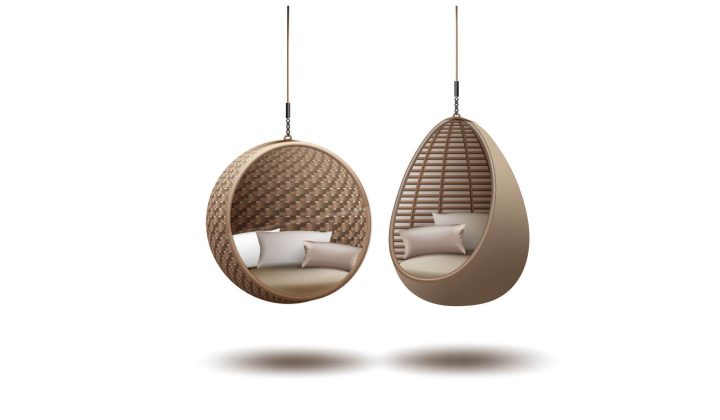
How to Specify a Commercial-Grade Outdoor Swing Chair That Lasts Beyond Two Years
A procurement expert with 15 years in hospitality furniture sourcing explains why most outdoor swing chairs fail within five years of resort…
Read more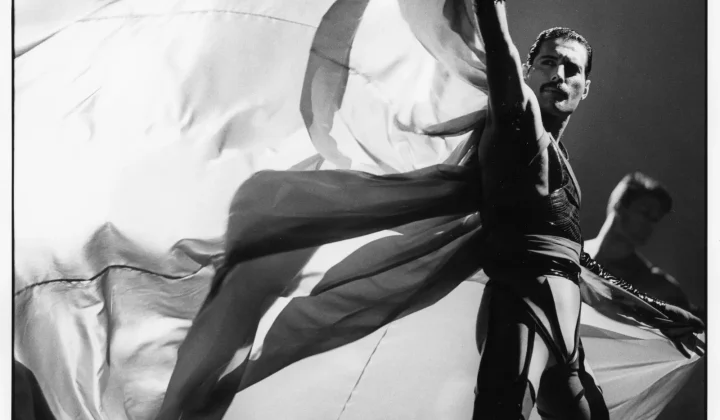
Freddie Mercury’s stage costumes go on display at V&A in free 2026 exhibition
The V&A marks the 80th anniversary of Freddie Mercury’s birth with ‘Splendid Things’, a free exhibition of eight iconic looks lent by…
Read more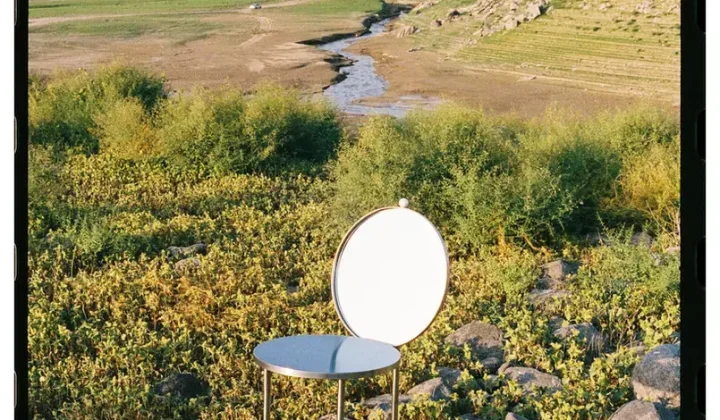
Armenian Designer Shushana Khachatrian Debuts ‘The Woman’s Chair,’ a Deliberately Uncomfortable Reflection on Social Structures
Armenian designer Shushana Khachatrian's 'The Woman's Chair' uses polished stainless steel and a deliberately unstable geometry to question expectations around comfort, posture,…
Read more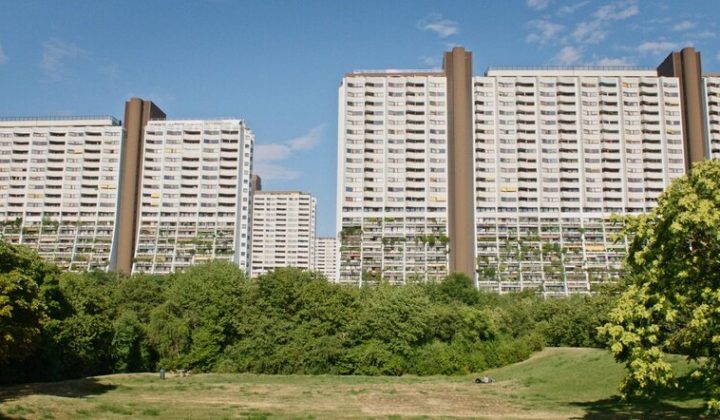
27 Storeys Documentary Revisits Vienna’s Alterlaa and the Utopian Promise of Collective Living
Director Bianca Gleissinger returns to her childhood home in the Alterlaa housing complex to explore how a 1970s social housing project achieved…
Read moreRelated wiki

Adaptive Reuse in Architecture
Reference page for reuse, retrofit, conversion, embodied carbon and design constraints.
Read more