Rethinking Eating Rituals: ‘Table Manners’ Exhibition Explores the Intimate Relationship with Cutlery
An exhibition curated by Object Massive challenges the standardization of cutlery, prompting a closer look at the deeply personal and psychological connection we have with the objects we bring to our mouths.
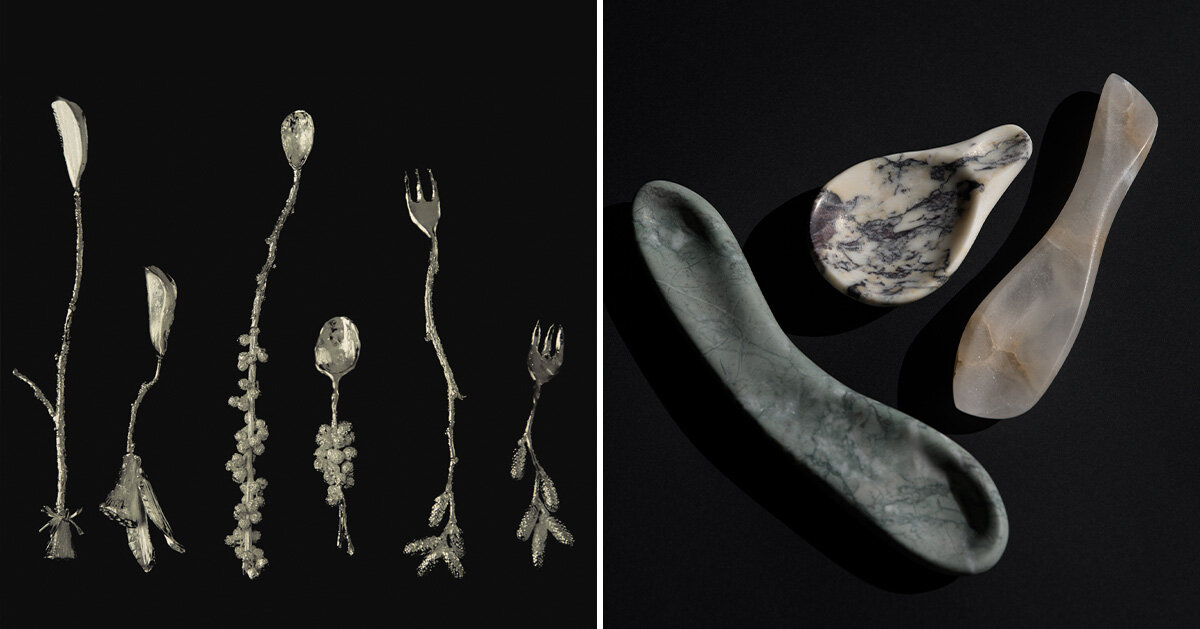
A new exhibition titled ‘Table Manners,’ curated by Georgia Smedley of Object Massive, is prompting a re-evaluation of the everyday objects we use for eating. The exhibition, which features newly commissioned and historical cutlery, challenges the long-standing standardization of forks, knives, and spoons, inviting viewers to consider the “strange intimacy” of these utensils.
The core of the exhibition lies in the observation that people often have strong, immediate reactions to cutlery. Smedley notes that individuals frequently comment on the weight, handle width, or feel of a fork or spoon, highlighting a visceral connection to these objects. This personal interaction forms the basis of ‘Table Manners,’ which posits that cutlery is not merely functional but deeply psychological, acting as extensions of habit, memory, appetite, ritual, class, and social behavior.
Por que importa
The project originated from Smedley’s observations of how rarely people remain neutral about cutlery. She explains, “Someone will pick up a fork and immediately register its weight, or the width of the handle, or the way it sits in their hand. These objects cross the threshold of the mouth and enter the body directly. A relationship forms fast and what interests me most is the social aspect of the object, and the culture that forms around them without us being conscious of it.”
Intimacy is a guiding principle for the exhibition’s curatorial approach. Each participating designer was encouraged to respond to the brief through the lens of their individual practice, leading to a diverse collection of works that are described as “a self-portrait of their minds and mouths.” These utensil sets are presented as condensed biographies translated into various materials, including metal, glass, wax, ceramic, and sculptural forms.
Contexto
The exhibition showcases a wide range of artistic and design sensibilities. Belle Thierry, an artist from Melbourne, explores materiality through authenticity and emotional residue. Experimental designer Julian Leigh May offers speculative narratives and material experiments, while Hamish Munro draws inspiration from classical Western architecture and jewelry traditions. Hamish Donaldson brings generational knowledge of glassblowing to create fragile dining instruments, and Lisbon-based artist Sebastião Lobo contributes surreal, sculptural objects that evoke insects or dream fragments. Studio Yeodong Yun introduces metal forms shaped by the Korean concept of Jung Jung Dong, creating utensils with an underlying tension.
Beyond individual artistic expressions, ‘Table Manners’ also incorporates studios deeply invested in emotional attachment and domestic ritual. Streifen, responsible for the exhibition design, views sentimentality as a material force. Snelling Studio continues its intergenerational craftsmanship approach, and Studio Kyss creates pieces intended for dynamic physical and emotional interaction. Ryan Mueller’s multidisciplinary practice reframes ancient craft traditions through contemporary curiosity.
Several contributors extend the conversation to themes of ecology, storytelling, and connection with the natural world. Soie Lait uses beeswax, recycled sterling silver, and found materials for environmentally conscious works, while Tai Snaith treats dialogue itself as a material through painting, ceramics, and broadcasting. The exhibition also includes historical and contemporary pieces from The Kraftsman collection, providing a lineage of domestic objects against which the newer, speculative forms can be contrasted.
By juxtaposing these diverse pieces, ‘Table Manners’ highlights how limited the visual language of cutlery has remained despite the vast variability of eating practices themselves. Smedley reflects, “Within the choreography that makes something useful, we lose the individual cadence of wanting.” The exhibition suggests that usefulness can be destabilized, with handles that deviate from ergonomic neutrality, unusual balances, and utensils that appear ceremonial or even animalistic.
Crucially, ‘Table Manners’ does not aim to provide definitive solutions but rather to create a space for reconsideration. It encourages visitors to notice the often-invisible behavioral systems embedded in dining rituals—questioning why forks typically have four tines, why sets are expected to match, or why comfort became the sole definition of good design. As Smedley concludes, “Eating carries class, culture, memory, restriction, pleasure, ritual, and the objects that facilitate it should reflect some of that weight, and largely they do not.”
Datos clave
| Aspecto | Descripción |
|—|—|
| Nombre del proyecto | Table Manners |
| Curador | Georgia Smedley (Object Massive) |
| Enfoque | Cuestionar la estandarización de los cubiertos y explorar su intimidad psicológica y social. |
| Componentes | Conjuntos de cubiertos de nueva creación, piezas históricas y contemporáneas de la colección Kraftsman. |
This exhibition matters to Paionia7 readers by offering a critical perspective on everyday design objects. It goes beyond aesthetics to explore the cultural, social, and psychological dimensions of objects we interact with intimately, prompting a deeper understanding of how design shapes our rituals and identities.
Fuente: designboom – https://www.designboom.com/design/closer-look-strange-intimacy-of-cutlery-table-manners-object-massive-georgia-smedley-interview/
Datos clave
| Punto | Detalle |
|---|---|
| Fuente | Designboom |
| Fecha | 2026-05-28T02:00:48+00:00 |
| Tema | from teeth to table: a closer look at the strange intimacy of cutlery |
Source
Designboom Original publication: 2026-05-28T02:00:48+00:00
Related news
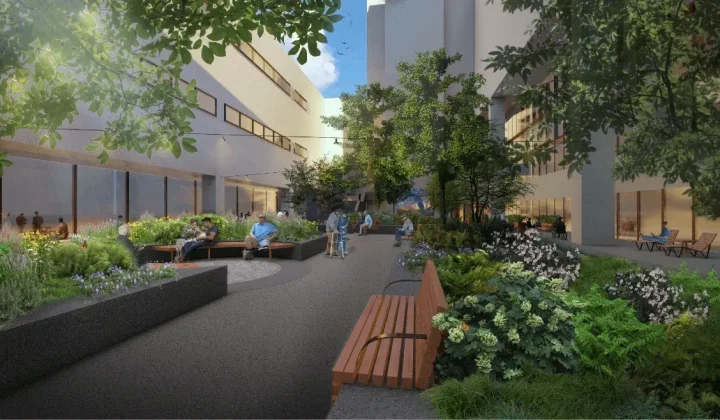
Nelson Byrd Woltz Begins Construction on Restorative Eagle Courtyard at Walter Reed Medical Center
Construction has started on a redesigned Eagle Courtyard at Walter Reed National Military Medical Center, led by Nelson Byrd Woltz Landscape Architects.…
Read more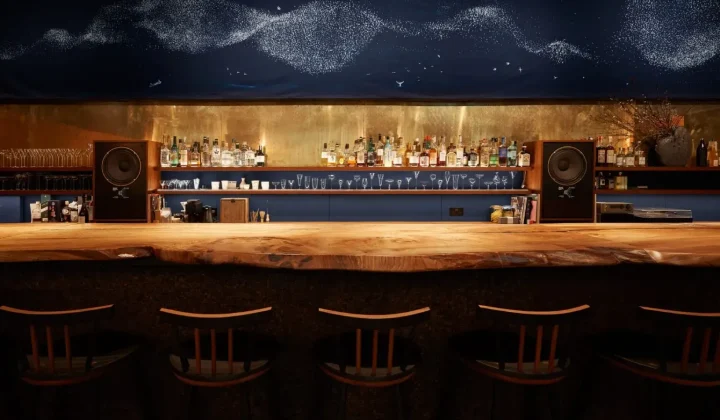
London’s listening bar boom reflects a deeper shift in hospitality design and music culture
A wave of Japanese-inspired listening bars is reshaping London’s nightlife, but owners and critics are asking whether the concept can survive commercial…
Read more
Performing Colonial Toxicity Exhibition in Valencia Examines Architecture’s Role in Nuclear Colonialism
From 24 October to 1 November 2026, Aguas Internacionales in Valencia hosts Samia Henni’s exhibition on French nuclear testing in the Algerian…
Read more
Calm Haven House by ADA Design & Build Offers a Model for Wellness-Focused Residential Design
A new house in Can Tho, Vietnam, designed by ADA Design & Build for a young couple of doctors, demonstrates how residential…
Read moreRelated wiki
Adaptive Reuse in Architecture
Reference page for reuse, retrofit, conversion, embodied carbon and design constraints.
Read more