
Truck Driver’s Hand-Carved New York City Model Captivates Museum-Goers
A 63-year-old truck driver's meticulously detailed, hand-carved model of New York City has become a major draw at the Museum of the City of New York, highlighting themes of dedication, personal memory, and an accessible approach to architecture.
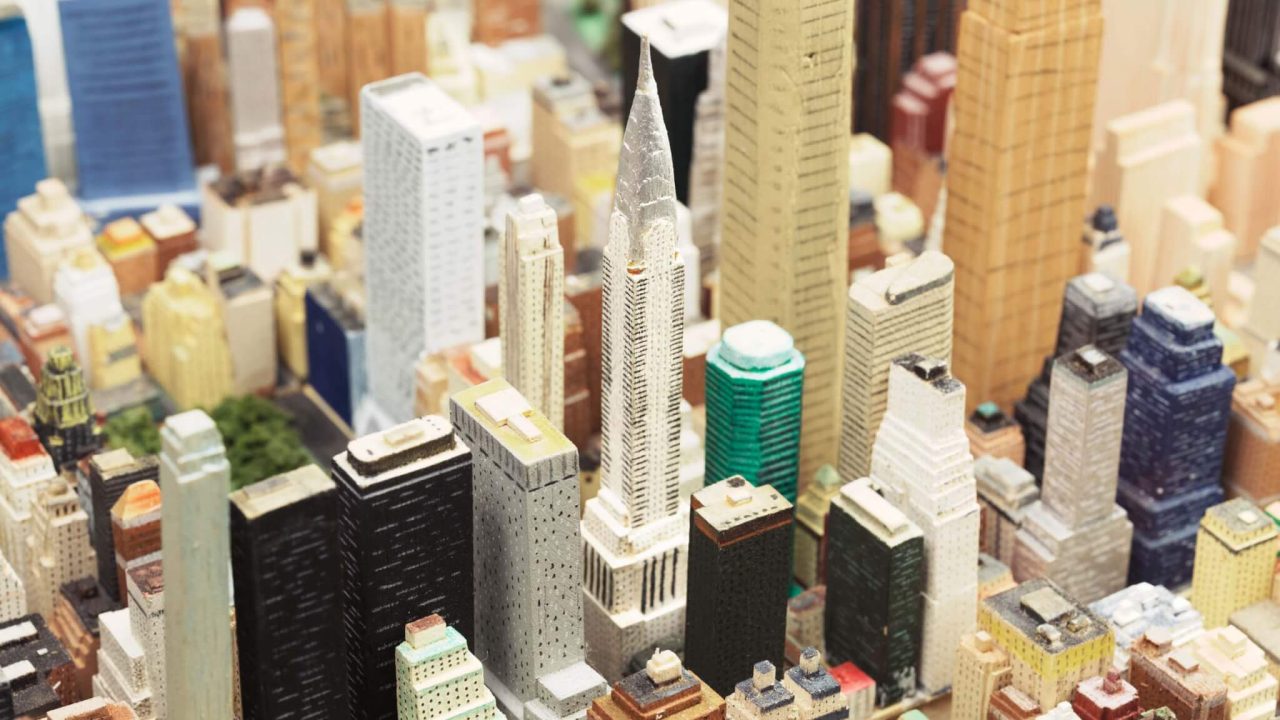
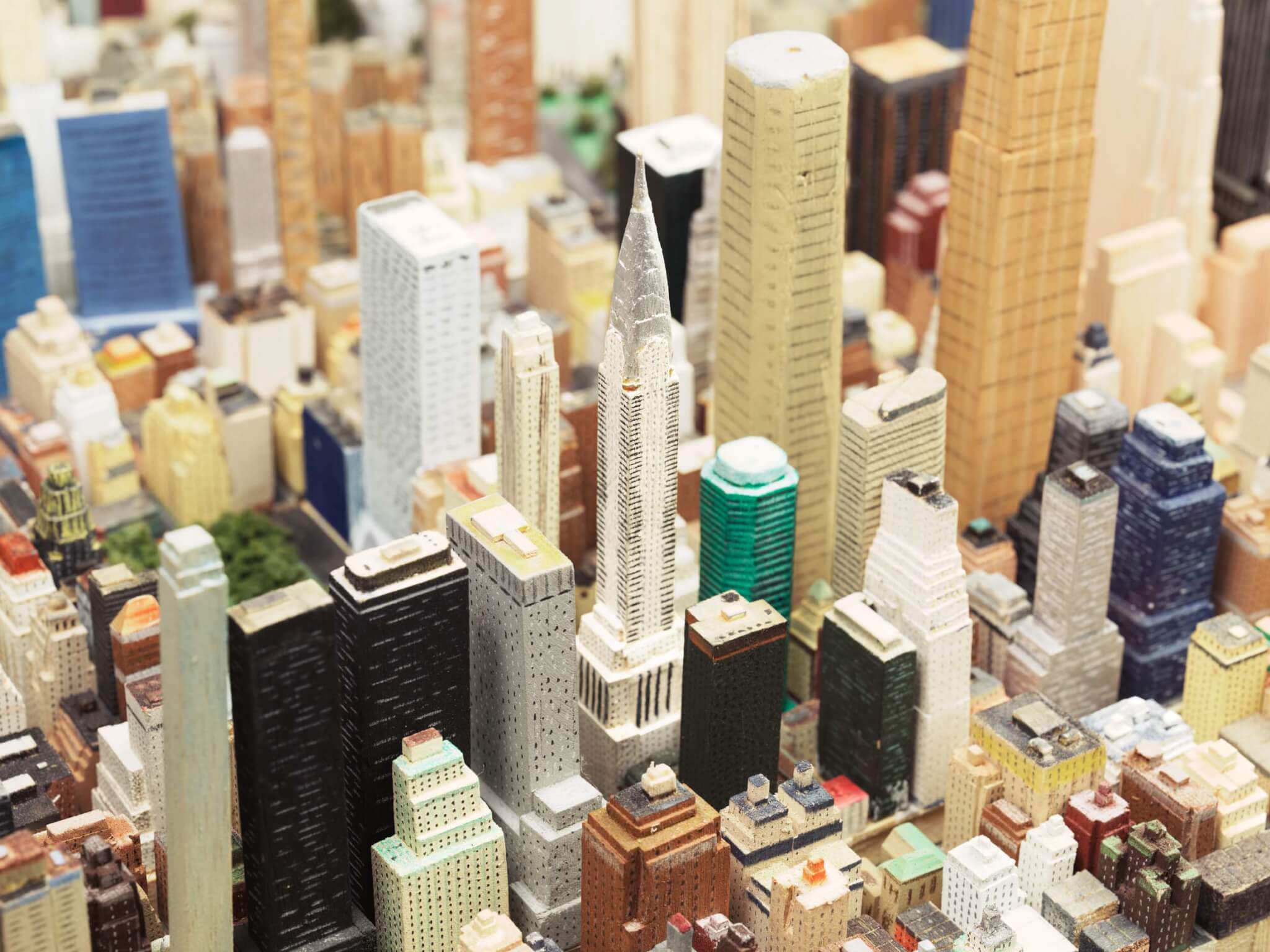
A remarkable testament to dedication and craft, a sprawling, hand-carved model of New York City, created over 21 years by 63-year-old truck driver Joe Macken, is drawing unprecedented crowds to the Museum of the City of New York. The exhibition, titled “He Built This: Joe Macken’s Model,” features over one million tiny, meticulously crafted structures, each carved, sanded, and painted by hand from balsa wood.
The unexpected phenomenon began when Macken posted a video of his work on TikTok. The clip quickly went viral, garnering millions of views and eliciting widespread awe and admiration, with many commenters suggesting the creation “belongs in a museum.” Their wishes have been fulfilled, as Macken’s 1,500-square-foot model now occupies an entire gallery.
Museum attendance has seen a significant 36 percent increase since the exhibition opened in February, with visitors frequently citing the model as their primary reason for visiting. This surge in interest contrasts with the museum’s long-standing display of a city-wide model created for the 1964–65 World’s Fair at the Queens Museum, which served as an early inspiration for Macken himself. While the earlier model features mechanically cut plastic edges, Macken’s version is infused with a distinct warmth and personal touch.
A Labor of Love
Macken’s creation is the product of immense personal commitment, undertaken in his basement for a few hours each night after completing 10-12 hour shifts driving a delivery truck, having dinner with his family, and putting his children to bed. Elisabeth Sherman, the museum’s chief curator and deputy director, noted Macken’s own description of his process: “Some people meditate, some people run. And I do this.”
Initially focusing on Manhattan, Macken’s project evolved into an obsession to replicate the entire city. He described the work as “tedious” and mentally draining at times, acknowledging nights where he would “wind up being down there for five hours, and I’d fall asleep at the table.” His dedication to accuracy meant walking block after block and taking photographs for reference, especially before the widespread adoption of digital mapping tools.
A Blend of Past and Present
While Macken’s model is highly accurate, Sherman points out that it represents “an amalgamation of different ‘New Yorks,’ because this is Joe’s city.” The model incorporates elements of the city’s history, such as the original Kosciuszko Bridge and the Twin Towers standing alongside the present-day One World Trade Center. These personal historical inclusions transform the model into a repository of collective memory, allowing visitors to connect with their own experiences of New York. Sherman emphasized Macken’s desire for “every person who lives in the city to be able to find where they live… To find their story.”
The exhibition has brought Macken, a self-described “kid from Queens,” unexpected fame, with attention from major media outlets and even Japanese television. He recounts feeling like a celebrity when people asked for his autograph at the museum. However, he finds the most rewarding interactions are with architects.
Lessons for Architects
Many architects have visited the exhibition, with some expressing profound admiration. One architect with 25 years of experience reportedly stated, “I’ve seen everything. I’ve never seen anything like this.” Sherman suggests that Macken’s work challenges the perception that architecture is inaccessible or requires extensive training, highlighting that “some of the skills of it are actually quite intuitive.” Macken himself believes in the power of self-directed learning, stating, “It’s amazing how much you can learn and develop yourself just from doing something. My brain started figuring it out as I was doing it.”
Macken’s ambition extends beyond the five boroughs; he continues to expand his model to include parts of New Jersey and Long Island. His accomplishment inspires others, with reports of individuals beginning to craft their own miniature cities and seeking his advice.
Datos clave
| Aspecto | Detalle |
|—|—|
| Creador | Joe Macken |
| Material | Madera de balsa |
| Duración del proyecto | 21 años |
| Número de estructuras | Más de un millón |
| Exhibición actual | Museo de la Ciudad de Nueva York |
This project underscores the profound impact of individual passion and meticulous craftsmanship. For architects and urban enthusiasts, Macken’s model serves as a powerful reminder that deep engagement with the built environment can stem from unconventional paths, fostering a more personal and accessible connection to the complexities of urban design and history.
Fuente: The Architect’s Newspaper – https://www.archpaper.com/2026/05/joe-macken-hand-carved-model-new-york/
Datos clave
| Punto | Detalle |
|---|---|
| Fuente | The Architect’s Newspaper |
| Fecha | 2026-05-27T16:29:06+00:00 |
| Tema | What architects can learn from a truck driver’s hand-carved model of New York |
Source
The Architect's Newspaper Original publication: 2026-05-27T16:29:06+00:00
Related news
Christopher Kane brings streamlined, heritage-driven vision to Mulberry in London Fashion Week debut
The Scottish designer presented his first collection for the British leather goods house at London Fashion Week, blending sharp tailoring, archival references…
Read more
When Film Directors Become Interior Designers: Guadagnino, Lynch, Anderson and Almodóvar Step Off Screen
From Luca Guadagnino’s Zara Home collection to David Lynch’s Paris club and Wes Anderson’s train carriage, a wave of collaborations is blurring…
Read more
Jesus Mari Lazkano Examines Changing Landscapes Through Painting and Animated Film at Basque Luxury Studio
The Basque artist’s exhibition ‘Azken Natura’ brings together six large-scale paintings and a 22-minute animated film that traces the melting of the…
Read more
Glenn Spiro opens intimate jewellery atelier in Mayfair with designer Valerie Name Bolaño
The London jewellery house’s new boutique at 26 Bruton Street blends antiques, bespoke furniture and a monochrome palette to create a residential…
Read moreRelated wiki

Adaptive Reuse in Architecture
Reference page for reuse, retrofit, conversion, embodied carbon and design constraints.
Read more