US Strikes Iran, Tehran Closes Strait of Hormuz Amid Escalating Tensions
The United States has conducted strikes on multiple targets in Iran, prompting Tehran to declare the Strait of Hormuz closed to all vessels, in a significant escalation of regional tensions.
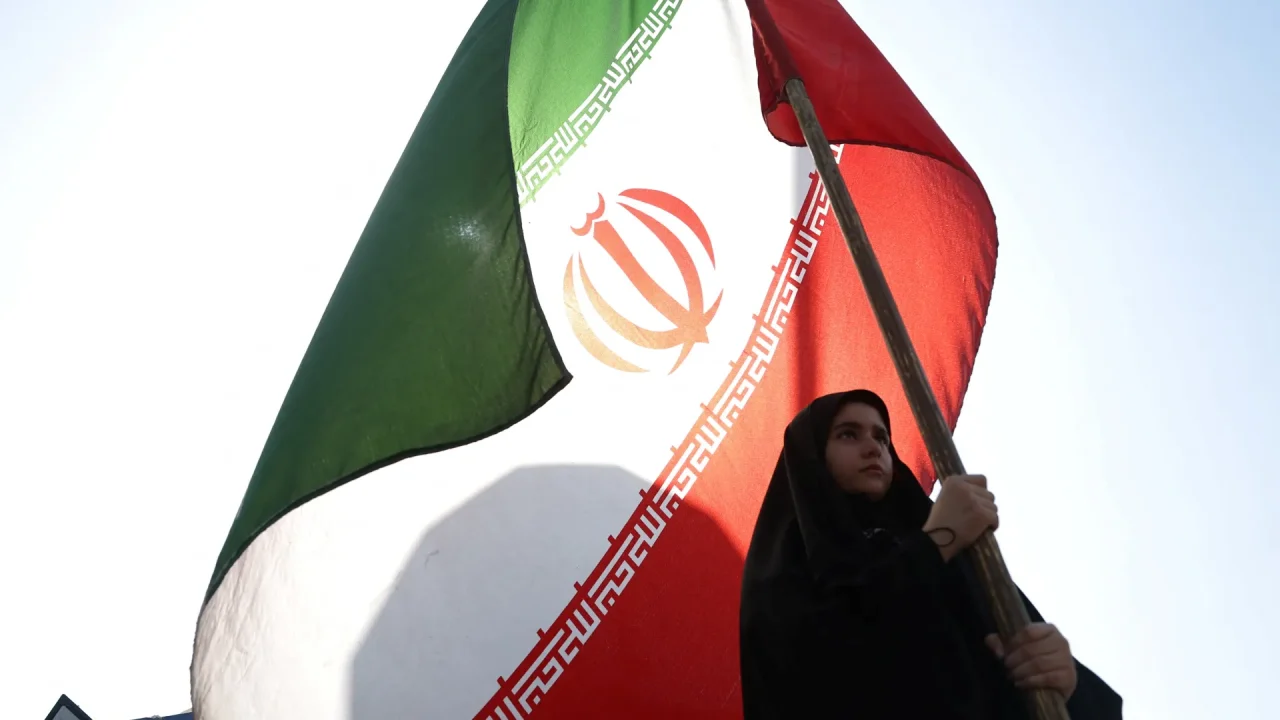
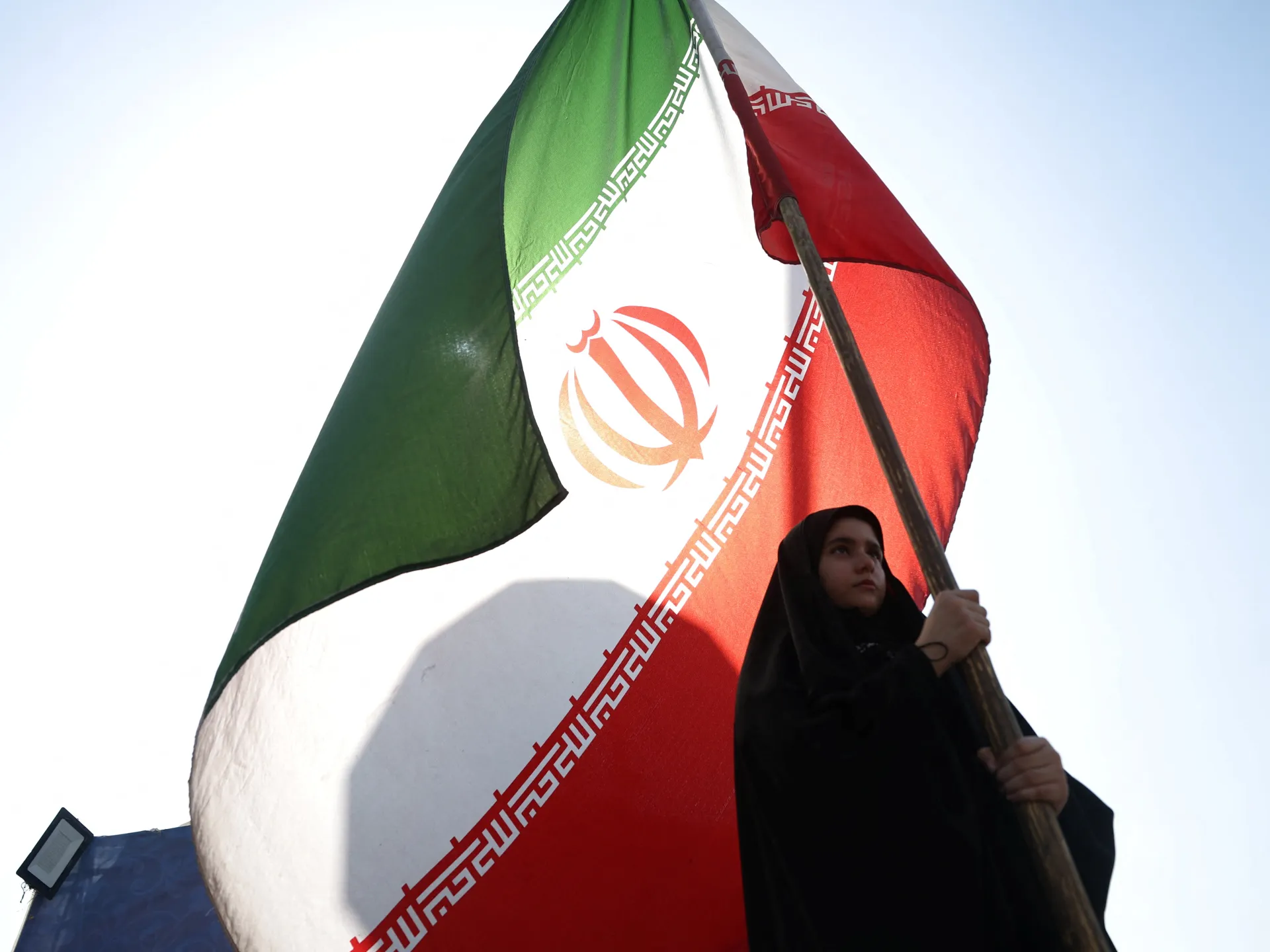
The United States has launched fresh strikes against “multiple targets” in Iran, a move that has led Tehran to declare the Strait of Hormuz closed to “all types of vessels.” This significant escalation occurred late on Wednesday, with the US military stating the actions were a “response to Iran’s unwarranted and continued aggression.”
Explosions were reported by Iranian state media on Qeshm Island and in the cities of Bandar Abbas and Sirik, all located along the critical Strait of Hormuz. Blasts also struck the southern city of Kargan, reportedly wounding at least two people.
US Escalation and Iranian Response
The US military detailed that the strikes were carried out at the direction of President Donald Trump. The Iranian Islamic Revolutionary Guard Corps (IRGC) accused the US of “repeated violations” of an April ceasefire. The IRGC subsequently announced that the Strait of Hormuz was “closed until further notice,” affecting all traffic, including oil tankers and commercial vessels. They also claimed that “two oil tankers attempting to illegally pass through the strait were hit.”
This latest exchange follows a day of tit-for-tat strikes between the US and Iran, stemming from the downing of a US Apache helicopter in the Strait of Hormuz.
President Trump had previously stated that the US would retaliate against Iran “very hard.” He also commented on the ongoing negotiations, suggesting that Iran was “stringing us along” and dealing with “very stupid presidents.”
Iranian President Masoud Pezeshkian criticized Trump’s threat on X, stating, “Critical infrastructures are the lifeblood of the people. Threats to target them – from transportation networks to the electricity and water industries – are not a show of strength but a sign of desperation in the face of a nation’s will.” He affirmed that “Iran, relying on the knowledge and capabilities of its specialists, national unity, and solidarity, will stand firm against any pressure or threat.”
Key facts:
| Development | Details |
|—|—|
| US Action | Strikes launched on multiple targets in Iran. |
| Iranian Response | Strait of Hormuz declared closed to all vessels. |
| Reported Casualties | At least two people wounded in Kargan. |
| Stated Justification (US) | Response to “unwarranted and continued aggression.” |
| Stated Justification (Iran) | Accusations of “repeated violations” of ceasefire. |
Geopolitical Ramifications for Global Infrastructure
The closure of the Strait of Hormuz, a vital chokepoint for global oil transportation, has immediate and far-reaching implications for international trade and energy security. Any disruption to maritime traffic in this region can lead to significant price volatility in oil markets and impact supply chains worldwide. For urban planning and infrastructure development, this event underscores the critical importance of secure and diversified transportation routes, as well as the need for resilient energy systems that are less vulnerable to geopolitical instability. The targeting of critical infrastructure, as mentioned by President Pezeshkian, highlights a dangerous escalation that could have cascading effects on civilian populations and economies. The situation demands careful monitoring by policymakers, industry leaders, and international bodies to mitigate potential fallout and seek de-escalation.
Source: aljazeera.com, https://www.aljazeera.com/news/2026/6/10/us-bombs-iran-after-trump-threat-tehran-closes-hormuz-strait-to-all-ships?traffic_source=rss
Datos clave
| Punto | Detalle |
|---|---|
| Fuente | aljazeera.com |
| Fecha | 2026-06-10T23:57:12+00:00 |
| Tema | US bombs Iran after Trump threat, Tehran closes Hormuz Strait to all ships |
Source
aljazeera.com Original publication: 2026-06-10T23:57:12+00:00
Related news

Koto launches Haku, a mobile prefab hotel suite built on a wheeled chassis to bypass UK planning restrictions
UK architecture studio Koto has unveiled Haku, a fully mobile prefabricated suite that legally qualifies as a caravan, allowing landowners and hotel…
Read more
HONG Designworks Completes Private Office in Xi’an That Balances Memory, Materiality, and Long-Term Use
The Xi’an office by HONG Designworks integrates a folded steel staircase, retained furniture from a previous workspace, and a restrained purple-gray palette…
Read more
Handwoven Teak and Cord Outdoor Seating Debuts from Masaya and Abril Zepeda
Nicaraguan furniture brand Masaya has introduced two new handcrafted outdoor chairs — a rocking chair and a lounge chair — designed by…
Read more
Place in Mind: Hendricks Churchill Launches Hospitality Group to Revive Historic Properties
The architecture and interior design studio Hendricks Churchill has launched Place in Mind, a new hospitality group focused on acquiring, restoring, and…
Read moreRelated wiki

Adaptive Reuse in Architecture
Reference page for reuse, retrofit, conversion, embodied carbon and design constraints.
Read more