
Virtual Architecture Merges with Physical Urbanism on a New Spatial Frontier
The lines between physical cities and digital realms are blurring as virtual architecture and digital twins redefine urban design and public interaction.
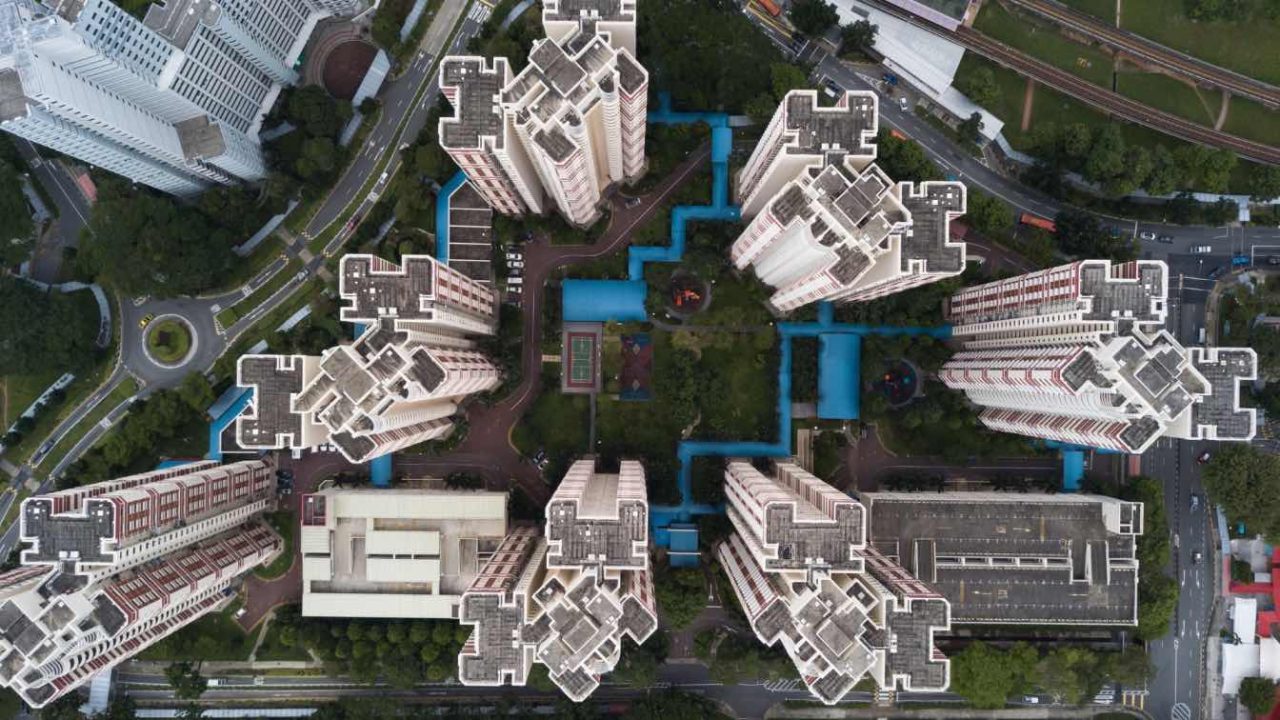
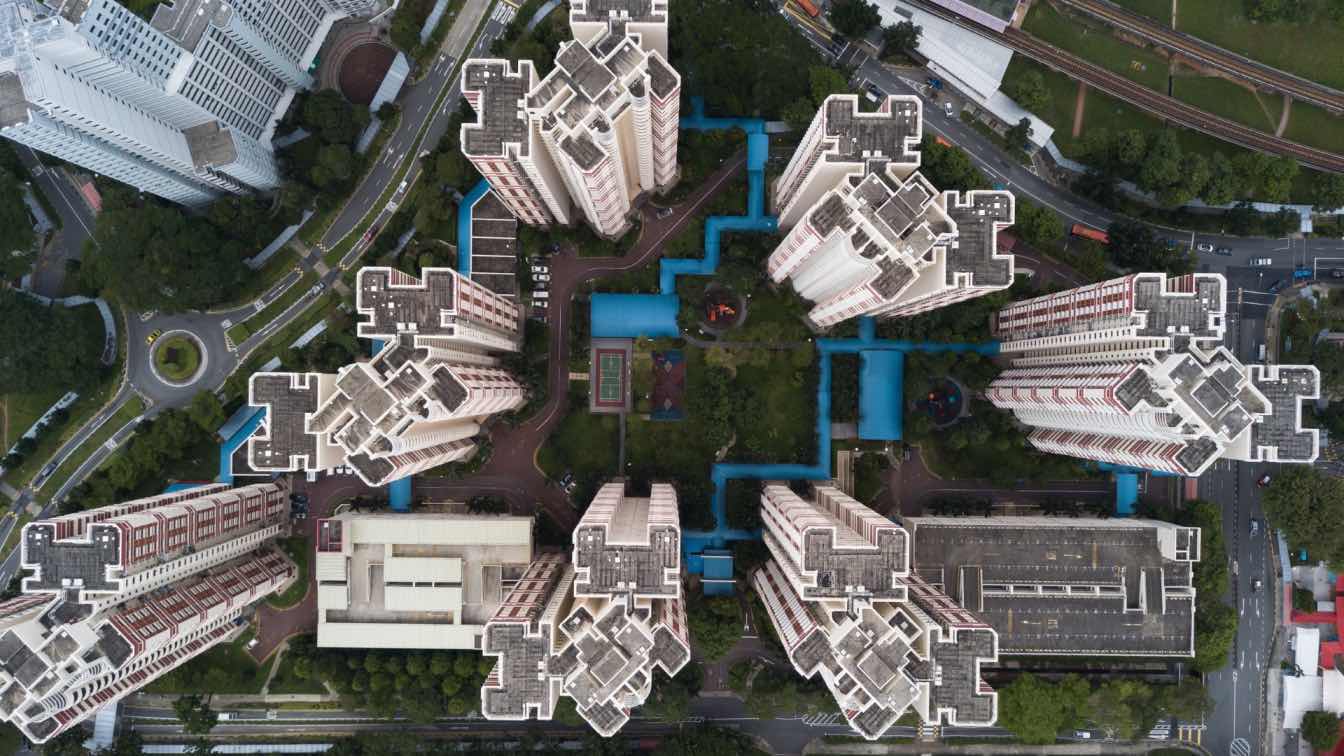
The built environment is undergoing a profound transformation as the boundaries between physical urbanism and virtual architecture dissolve. This emerging “new spatial frontier” is characterized by the integration of digital twins, interactive media facades, and high-fidelity virtual environments, fundamentally redefining how we design, experience, and interact with our cities.
Digital Twins in Urban Planning
A cornerstone of this shift is the widespread adoption of Building Information Modeling (BIM), which enables the creation of “Digital Twins” for urban structures and entire cities. These are not mere 3D models but dynamic, data-rich representations that mirror their physical counterparts. Planners can leverage Virtual Reality (VR) to virtually inhabit unbuilt structures, assessing factors like sunlight, shadows, and spatial flow before construction commences. This immersive digital collaboration allows architects, planners, and stakeholders to experience proposed spaces collectively, fostering a more democratic and informed urban planning process, a significant departure from traditional paper-based blueprints.
Interactive Media Architecture
Once buildings are erected, their digital integration continues through “Media Architecture.” Building facades are evolving into dynamic digital skins, displaying information and responding to their surroundings. In cities like London, these architectural elements use light to communicate, changing color with weather patterns or showing real-time city data. This transforms static structures into experiential design pieces, fostering a more responsive and “human” urban environment, especially during nighttime.
Virtual Environments and Digital Preservation
Concurrently, game designers and digital artists are recreating iconic real-world landmarks in high-fidelity digital environments. Using advanced game engines, these digital spaces capture not only the visual appearance but also the atmospheric “feel” of a location. These meticulously crafted virtual skylines serve purposes beyond entertainment, including digital tourism and historical preservation. In cases where physical structures are lost to time or disaster, their digital twins can serve as a lasting record, backing up architectural heritage in the digital realm.
Micro-Architecture in Digital Design
The principles of physical architecture are also influencing the design of digital experiences, particularly in high-end digital entertainment like online casino slots. These platforms often adopt a “high-roller aesthetic,” drawing inspiration from luxury architecture and interior design. Structured layouts, focal points, symmetry, and rich, textured backgrounds mimic elements found in luxury hotels, creating a sense of place and atmosphere. This “micro-architecture” demonstrates how careful construction and visual cues in digital spaces can guide users and enhance engagement, proving that digital environments can be as thoughtfully designed as physical ones.
The Future of Integrated Spaces
The “New Spatial Frontier” signifies a future where physical and digital lives are increasingly intertwined. Cities will become smarter and more interactive, while digital environments will be grounded in the psychological principles of physical architecture. Whether through urban planners utilizing digital twins or designers applying architectural concepts to digital interfaces, the ultimate goal remains the creation of spaces that resonate with the humans who inhabit them, both in the physical and virtual realms.
Key facts
| Aspect | Description |
|---|---|
| Core Concept | Blurring of physical urbanism and virtual architecture. |
| Enabling Technologies | BIM, Digital Twins, VR, Media Architecture, Advanced Game Engines. |
| Applications | Urban planning, interactive cityscapes, digital tourism, historical preservation. |
| Impact | More democratic planning, responsive urban environments, preserved heritage. |
This convergence of physical and digital design offers new possibilities for how we conceive and interact with space, making our cities and digital experiences more intelligent, engaging, and deeply connected to human perception.
Source: The New Spatial Frontier: Bridging Physical Urbanism and Virtual Architecture – https://amazingarchitecture.com/articles/the-new-spatial-frontier-bridging-physical-urbanism-and-virtual-architecture
Source
Amazing Architecture Original publication: 2026-07-12T16:18:51+00:00
Related news
HONG Designworks Completes Private Office in Xi’an That Balances Memory, Materiality, and Long-Term Use
The Xi’an office by HONG Designworks integrates a folded steel staircase, retained furniture from a previous workspace, and a restrained purple-gray palette…
Read more
Handwoven Teak and Cord Outdoor Seating Debuts from Masaya and Abril Zepeda
Nicaraguan furniture brand Masaya has introduced two new handcrafted outdoor chairs — a rocking chair and a lounge chair — designed by…
Read more
Place in Mind: Hendricks Churchill Launches Hospitality Group to Revive Historic Properties
The architecture and interior design studio Hendricks Churchill has launched Place in Mind, a new hospitality group focused on acquiring, restoring, and…
Read more
Adalberto Dias Architects Complete Restoration of Lisbon’s Patriarchal Cathedral and Archaeological Center
The restoration of the Sé de Lisboa by Adalberto Dias Arquitecto integrates a new archaeological center, preserved cloisters, and seven centuries of…
Read moreRelated wiki

Adaptive Reuse in Architecture
Reference page for reuse, retrofit, conversion, embodied carbon and design constraints.
Read more