Best Paionia7: A Comprehensive Exploration of Context, Clues, and Answers
Dive deep into "best paionia7" with expert insights, contextual understanding, and answers to your most pressing questions. Discover what makes the ideal Paionia7 experience and navigate its nuances with our detailed guide.
Understanding “Best Paionia7”
The term “best paionia7” suggests a search for optimal solutions, superior examples, or ideal implementations within the scope of Paionia7’s focus. This could relate to architectural projects, urban planning strategies, sustainable design practices, or technological integrations within the built environment. Identifying what constitutes the “best” is inherently subjective and depends on the specific criteria being evaluated, such as innovation, sustainability, community impact, aesthetic appeal, or functional efficiency.
Evaluating Paionia7 Excellence: Key Criteria
To determine what makes a Paionia7 project or concept “best,” several factors come into play. These criteria help frame an objective evaluation process:
Innovation and Technology
This includes the adoption of novel materials, construction techniques, smart city technologies, or digital design tools that push the boundaries of architecture and urbanism.
Sustainability and Environmental Impact
Assessing a project’s contribution to environmental conservation, resource efficiency, carbon footprint reduction, and integration with natural ecosystems. This also covers the use of sustainable materials and energy-efficient systems.
Social and Community Integration
Examining how a project positively impacts the community, fosters social cohesion, enhances public spaces, and addresses the needs of its inhabitants.
Aesthetic and Design Quality
The visual appeal, spatial organization, and overall design coherence of a project, contributing to a high-quality built environment.
Functionality and Livability
Ensuring that a project effectively serves its intended purpose, provides comfortable and practical living or working spaces, and enhances the quality of life for its users.
Risks and Trust Signals in Paionia7
When exploring “best paionia7” options, it’s crucial to be aware of potential pitfalls and to identify trustworthy sources and projects.
Potential Risks
* Greenwashing: Projects may overstate their environmental credentials without genuine commitment.
* Unproven Technologies: Innovative solutions might lack long-term viability or efficacy.
* Social Displacement: Urban development can sometimes lead to the displacement of existing communities.
* Aesthetic Over Substance: Designs that prioritize appearance over functionality or sustainability.
Trust Signals
* Official Endorsements: Recognition from reputable architectural bodies, awards, or governmental agencies.
* Transparent Reporting: Clear documentation of materials, processes, and environmental impact data.
* Community Engagement: Evidence of active participation and feedback from local stakeholders.
* Peer Reviews and Expert Opinions: Positive assessments from recognized professionals in the field.
* Longevity and Performance: Successful, long-term operation and positive user experiences.
A Practical Comparison Framework
Comparing different Paionia7 initiatives requires a structured approach. This framework helps in assessing various aspects:
| Feature | Project A (Example) | Project B (Example) | Project C (Example) |
|---|---|---|---|
| Innovation Score | High | Medium | Medium |
| Sustainability Score | High | High | Low |
| Community Impact | Positive | Mixed | Neutral |
| Aesthetic Appeal | Strong | Good | Fair |
| Functional Efficiency | Excellent | Good | Fair |
| Trustworthiness | High | Medium | Low |
Note: This table is illustrative. Specific metrics would be applied based on detailed project analysis.
Deeper Dives: Specific Aspects of Paionia7
Zijn (Being/Is)
The concept of “zijn” in relation to Paionia7 refers to its fundamental nature and essence. What is Paionia7 at its core? It is an exploration of the built environment, focusing on how architecture, urbanism, and design shape our world. It’s about understanding the processes, the outcomes, and the impact of human creation on spaces.
Hotel and Hospitality Integration
In the context of urban development and architecture, “hotel” can represent more than just lodging. It signifies spaces designed for transient populations, offering amenities and services. The integration of hotel concepts into mixed-use developments, or the design of hotels as architectural landmarks, is a significant aspect of contemporary urbanism. How do these spaces contribute to the city’s fabric and the experience of visitors and residents?
Onze (Our) Approach to Paionia7
“Onze” implies a collective or shared perspective. An “onze” approach to Paionia7 suggests a collaborative, community-driven, or inclusive methodology. This could involve participatory design processes, shared urban resources, or a focus on collective well-being in architectural and urban projects.
Meer (More) Insights and Options
The pursuit of “meer” (more) in Paionia7 is about seeking additional information, exploring further possibilities, and uncovering deeper layers of understanding. This could involve delving into case studies, analyzing broader trends, or discovering less conventional approaches to design and development.
Voor (For) Specific Applications
“Voor” translates to “for,” indicating purpose or destination. When considering “best paionia7,” understanding the specific application is crucial. Is it for residential living, commercial use, public spaces, or infrastructure development? The “best” solution will vary significantly depending on the intended purpose.
Frequently Asked Questions About “Best Paionia7”
What should readers know about “best paionia7”?
Readers should understand that “best” is context-dependent. It involves evaluating projects based on specific criteria like innovation, sustainability, community impact, aesthetics, and functionality. It’s about finding the most suitable solution for a given need or goal within the Paionia7 domain.
How should readers compare options around “best paionia7”?
Comparison should be systematic. Use a framework that assesses key criteria against each other. Look for transparent data, official recognition, and evidence of long-term performance. Consider the source of information and potential biases.
What risks should be checked when evaluating “best paionia7”?
Be vigilant about greenwashing, unproven technologies, and potential negative social impacts like displacement. Always check for credible sources, independent reviews, and community feedback.
How will this content stay updated?
This content is a foundational guide. As new projects emerge and architectural discourse evolves, the understanding of “best paionia7” will naturally shift. Paionia7 is committed to exploring these developments, providing updated insights and analyses as significant advancements occur in the fields of architecture, urbanism, and design.
Source
Related news
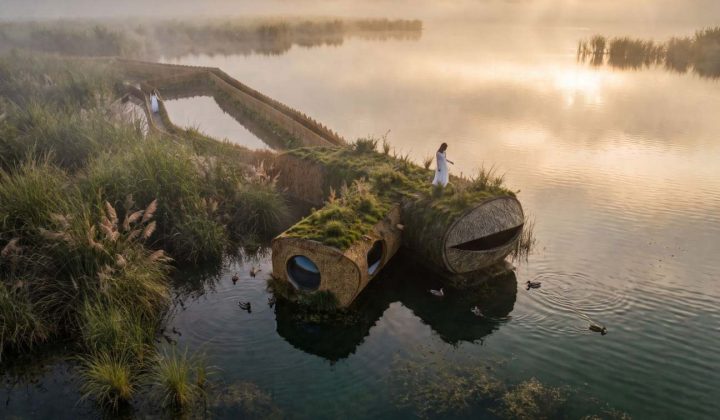
MIV Architects Proposes Wetland Pavilion That Prioritizes Non-Human Habitats Over Human Comfort
The Spanish firm’s “Nidos de Agua” concept for the Albufera natural park in Valencia aims to rebalance the relationship between building and…
Read more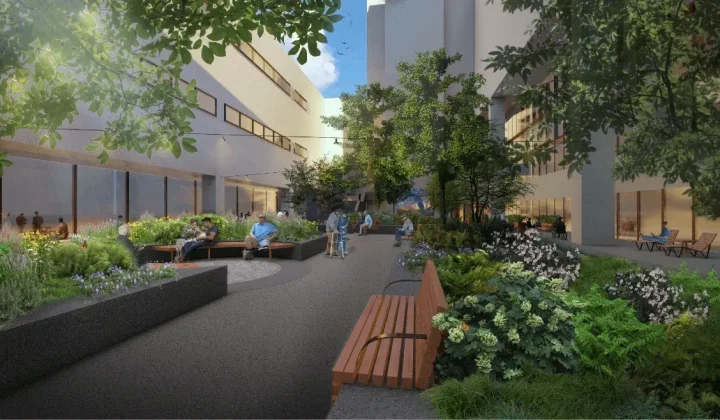
Nelson Byrd Woltz Begins Construction on Restorative Eagle Courtyard at Walter Reed Medical Center
Construction has started on a redesigned Eagle Courtyard at Walter Reed National Military Medical Center, led by Nelson Byrd Woltz Landscape Architects.…
Read more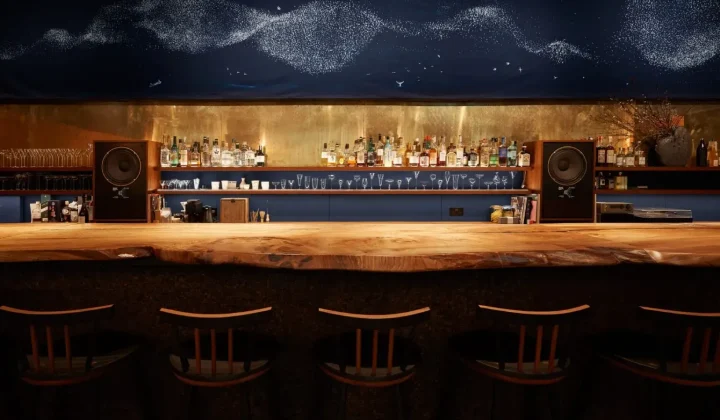
London’s listening bar boom reflects a deeper shift in hospitality design and music culture
A wave of Japanese-inspired listening bars is reshaping London’s nightlife, but owners and critics are asking whether the concept can survive commercial…
Read more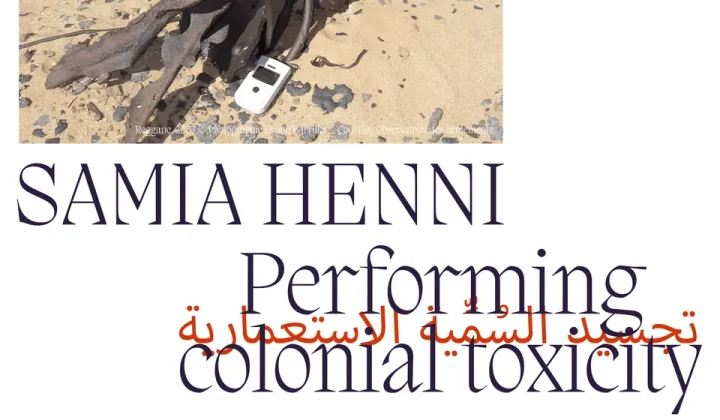
Performing Colonial Toxicity Exhibition in Valencia Examines Architecture’s Role in Nuclear Colonialism
From 24 October to 1 November 2026, Aguas Internacionales in Valencia hosts Samia Henni’s exhibition on French nuclear testing in the Algerian…
Read moreRelated wiki
Adaptive Reuse in Architecture
Reference page for reuse, retrofit, conversion, embodied carbon and design constraints.
Read more