Baobab Waterfall: A Visionary Floating Power Plant for Madagascar’s Coastline
A conceptual design inspired by the Baobab tree proposes a floating, mixed-use infrastructure to generate renewable energy and address Madagascar's energy crisis.
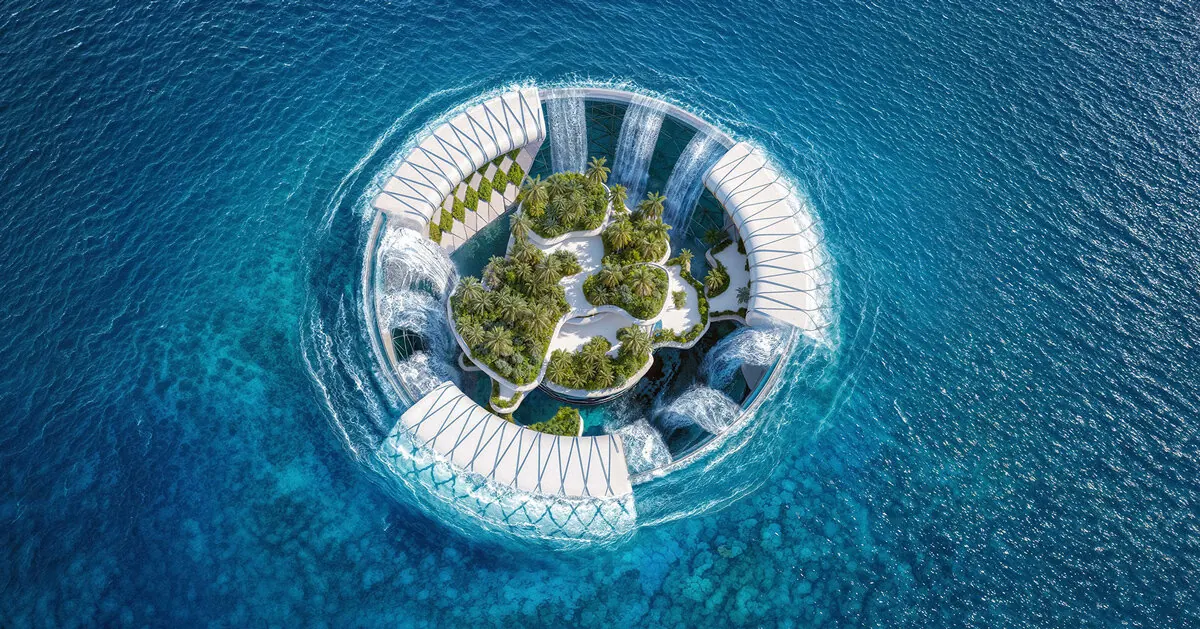
A new conceptual design, dubbed “Baobab Waterfall,” envisions a radical architectural intervention for the coastline of Madagascar. Proposed as an entry for the Jacques Rougerie Foundation competition, the project by Ahmad Eghtesad aims to address the island nation’s severe energy shortages by generating renewable electricity on a massive scale, while simultaneously offering a blueprint for social rehabilitation and eco-tourism.
The design draws profound inspiration from the Baobab tree, a national symbol of Madagascar renowned for its resilience and water-storing capabilities. This analogy is reflected in the structure’s core form: a central, multi-story hub reminiscent of a Baobab trunk, rising above the surrounding landscape and protected by a canopy-like structure.
Ocean Energy Generation
At the heart of the Baobab Waterfall concept is a colossal, circular marine infrastructure designed to harness the power of deep-ocean waterfalls. The system would funnel ocean water into subterranean turbines, generating renewable electricity on a scale comparable to natural wonders. This dual-function approach positions the structure as both a highly efficient green power plant and a striking landmark.
The cascading water features not only generate power but also create a sheltered, palm-fringed sanctuary within the complex, shielding it from the open sea and enhancing its appeal as a destination for global eco-tourism.
Social Rehabilitation and Economic Opportunity
Beyond its energy generation capabilities, the Baobab Waterfall was initially conceived as a self-sustaining social rehabilitation center. The central “trunk” of the design incorporates multi-level, transparent greenhouses. Within these spaces, inmates would engage in modern agricultural training programs, cultivating crops and participating in trade along sunlit pedestrian pathways. This aims to equip them with vital skills for economic reintegration upon release, addressing the interconnected issues of energy poverty, economic hardship, and overcrowded correctional facilities.
Beneath the ocean’s surface, a pressure-resistant glass dome offers a unique perspective into a thriving coral reef ecosystem. This underwater observatory provides residents with a direct connection to marine biology while being designed to allow migrating marine life to pass undisturbed.
Transition to Eco-Resort
The modular nature of the Baobab Waterfall complex is intended to facilitate a seamless transition. As societal challenges are addressed and crime rates potentially decrease, the facility can evolve into a public eco-resort and a dedicated green energy hub. This planned evolution secures a long-term vision for a prosperous and self-sustaining future for Madagascar.
Key facts
| Feature | Detail |
|---|---|
| Project Name | Baobab Waterfall |
| Designer | Ahmad Eghtesad |
| Location | Coastline of Madagascar |
| Inspiration | Baobab tree |
| Primary Functions | Renewable energy generation, social rehabilitation, eco-tourism |
| Energy Source | Deep-ocean waterfalls |
This conceptual project highlights the potential of innovative architectural solutions to tackle complex societal and environmental issues. For a nation like Madagascar, facing significant energy deficits and economic challenges, such visionary designs offer a pathway toward sustainable development and improved quality of life. The integration of renewable energy generation with social programs and tourism potential presents a holistic approach to future resilience.
Source: https://www.designboom.com/architecture/baobab-floating-waterfall-power-plant-renewable-energy-madagascar-ahmad-eghtesad/
Source
Designboom Original publication: 2026-06-13T00:55:50+00:00
Related news
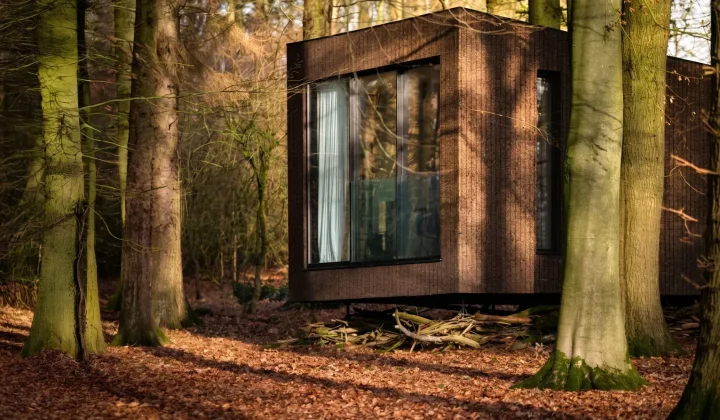
Koto launches Haku, a mobile prefab hotel suite built on a wheeled chassis to bypass UK planning restrictions
UK architecture studio Koto has unveiled Haku, a fully mobile prefabricated suite that legally qualifies as a caravan, allowing landowners and hotel…
Read more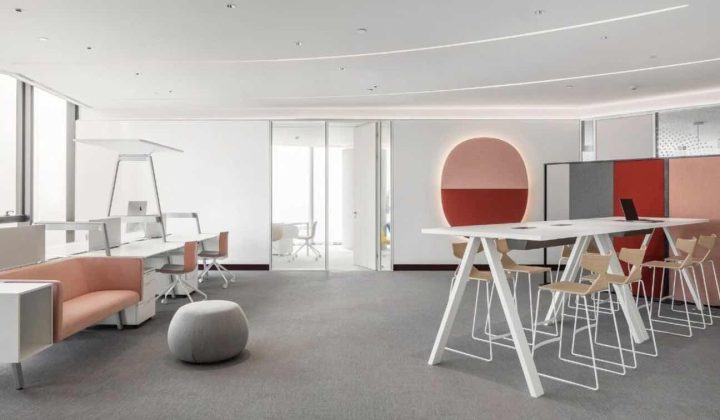
HONG Designworks Completes Private Office in Xi’an That Balances Memory, Materiality, and Long-Term Use
The Xi’an office by HONG Designworks integrates a folded steel staircase, retained furniture from a previous workspace, and a restrained purple-gray palette…
Read more
Handwoven Teak and Cord Outdoor Seating Debuts from Masaya and Abril Zepeda
Nicaraguan furniture brand Masaya has introduced two new handcrafted outdoor chairs — a rocking chair and a lounge chair — designed by…
Read more
Place in Mind: Hendricks Churchill Launches Hospitality Group to Revive Historic Properties
The architecture and interior design studio Hendricks Churchill has launched Place in Mind, a new hospitality group focused on acquiring, restoring, and…
Read moreRelated wiki

Adaptive Reuse in Architecture
Reference page for reuse, retrofit, conversion, embodied carbon and design constraints.
Read more