
Seismic Resilience Tested: Four Earthquakes Highlight Global Built Environment Vulnerabilities
Recent seismic events in Japan, California, and Venezuela underscore the critical role of urban planning, building codes, and infrastructure in mitigating earthquake damage, revealing stark contrasts in resilience.
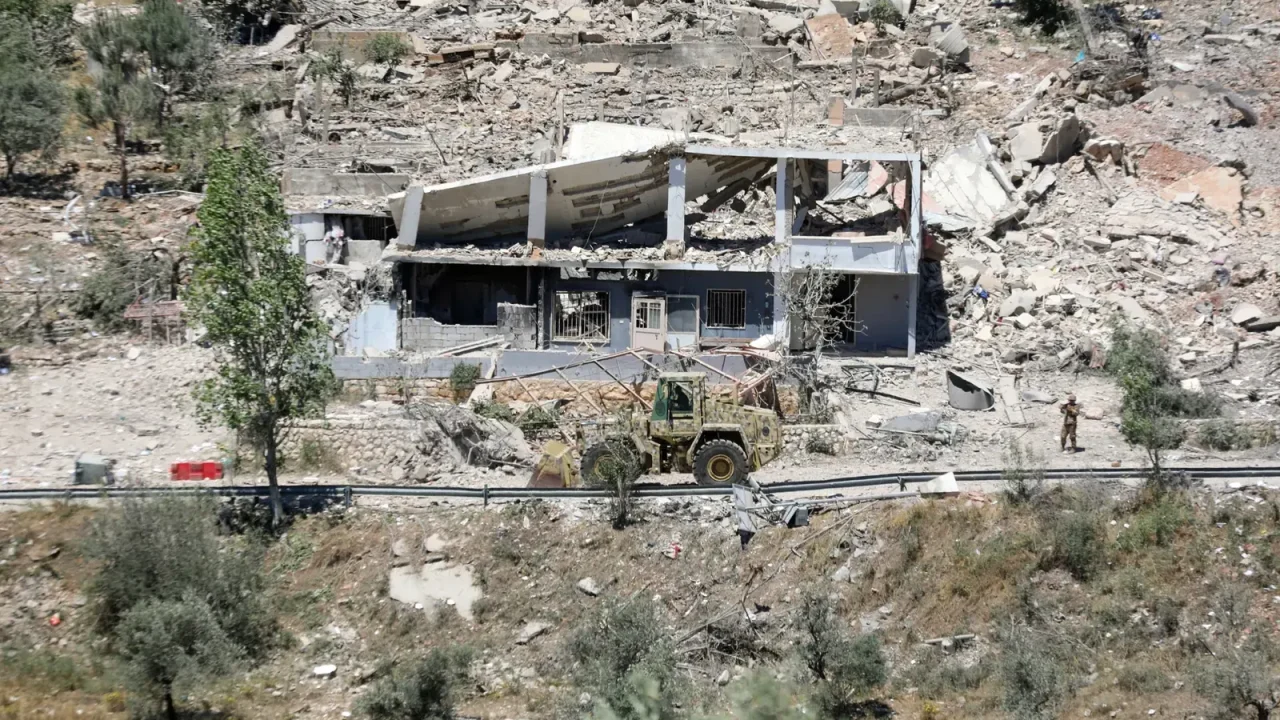
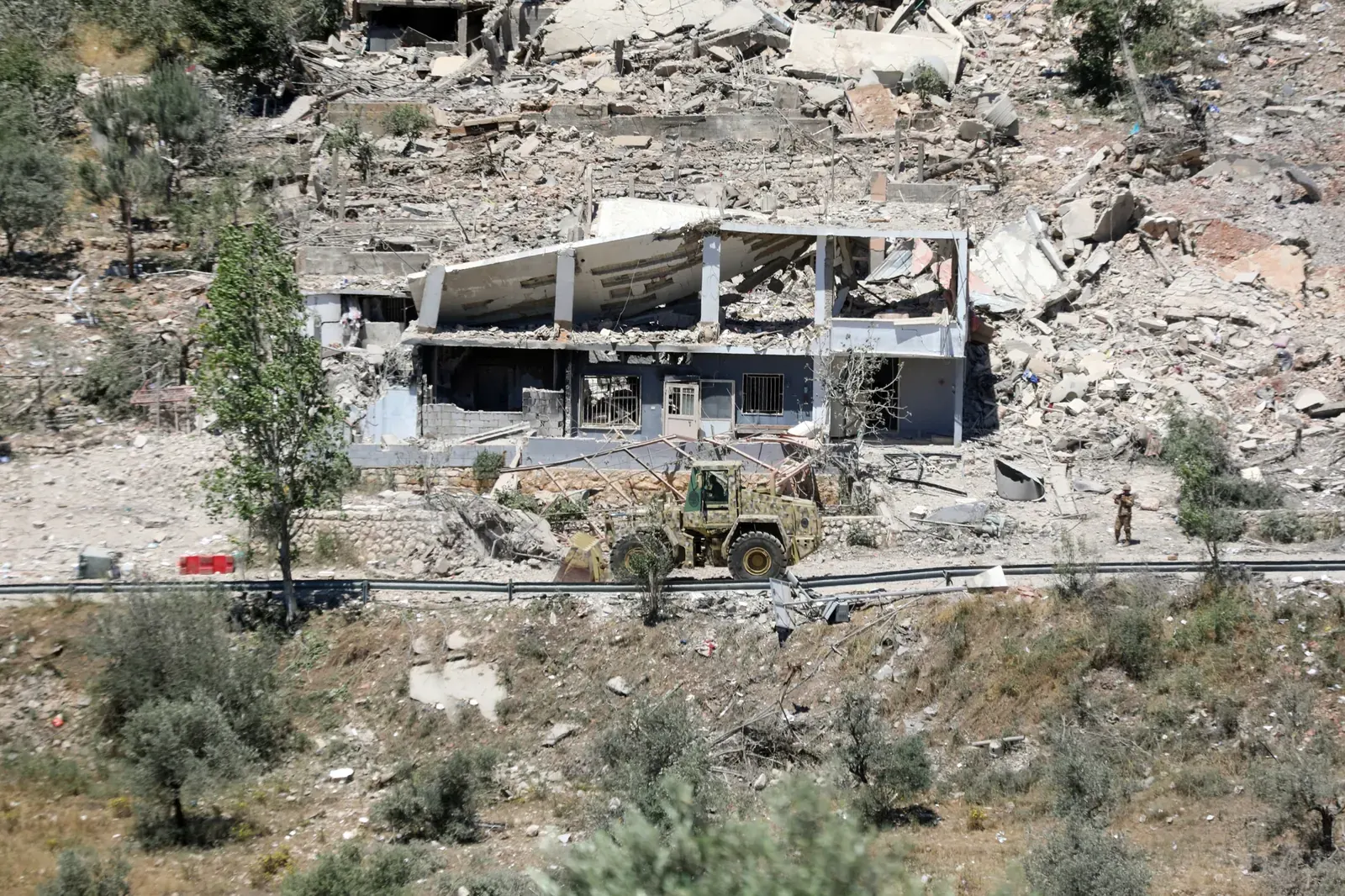
Four significant earthquakes striking across three continents within a 36-hour period have offered a stark, real-world examination of the built environment’s response to seismic activity. The events, which occurred between June 24 and June 25, 2026, ranged from a magnitude 7.2 quake off Japan’s coast to a 7.5 magnitude event in Venezuela, with a 5.6 magnitude earthquake also recorded in Northern California. While seismologists have confirmed these events were unrelated geologically, their proximity in timing has prompted a closer look at the differing impacts and the underlying factors that contribute to seismic resilience.
Contrasting Impacts
The most devastating impacts were seen in Venezuela, where two powerful earthquakes, measuring 7.2 and 7.5 magnitudes, struck sequentially along the nation’s northern coast. These events, occurring near the boundary of the Caribbean and South American tectonic plates, resulted in widespread destruction. Hundreds of lives were lost, thousands were injured, and many more were displaced as entire residential buildings, hospitals, and transportation infrastructure collapsed. The government declared a national state of emergency, and international humanitarian aid was mobilized as rescue and recovery efforts commenced amidst extensive damage to urban systems. Initial assessments indicated that older buildings in densely populated areas were particularly vulnerable, with damage extending to vital services like water networks and telecommunications.
In contrast, Japan experienced a magnitude 7.2 earthquake off the coast of Iwate Prefecture. Despite significant ground shaking, immediate reports indicated no tsunami threat, no fatalities, and no abnormalities at nuclear facilities. While railway services were temporarily suspended for safety checks, the overall physical damage was comparatively limited. This outcome is attributed to decades of sustained investment in seismic resilience, including rigorous seismic building regulations, the widespread adoption of base isolation systems, energy-dissipating devices, and advanced structural reinforcement.
Northern California’s magnitude 5.6 earthquake also resulted in minor impacts, demonstrating the effectiveness of its preparedness measures. Beyond building codes, California relies on an extensive seismic monitoring network, such as the USGS ShakeAlert system, which provides crucial seconds of warning before strong shaking arrives. This technological infrastructure, coupled with ongoing retrofit programs for vulnerable structures, contributes to a layered approach to resilience.
Key Facts
| Event | Magnitude | Location | Impact Highlights |
|---|---|---|---|
| Japan Earthquake | 2 | Northeastern coast | Limited damage, no tsunami, no fatalities reported; strong seismic regulations in place. |
| California Quake | 6 | Northern California | Minor impacts; reliance on seismic monitoring network and building codes. |
| Venezuela Quakes | 2 & 7.5 | Northern coast | Hundreds dead, thousands injured, extensive structural collapse, national emergency. |
Lessons for the Built Environment
The disparities in outcomes from these four earthquakes serve as a critical reminder that seismic disaster scale is not solely determined by earthquake magnitude. Factors such as population density, the quality of construction, the strictness and enforcement of building regulations, the maintenance of existing structures, and investment in emergency infrastructure play pivotal roles.
Japan’s experience, in particular, highlights the long-term benefits of continuously evolving building standards. Post-catastrophic events, the nation has consistently revised its seismic design principles, moving towards performance-based approaches that aim to allow structures to deform controllably while safeguarding occupants and maintaining structural integrity. Similarly, California’s comprehensive approach integrates physical construction standards with digital early warning systems, showcasing how modern resilience requires both robust engineering and advanced technological preparedness.
The Venezuelan earthquakes underscore the vulnerability of older, less seismically sound construction and the cascading effects of damage to interconnected urban systems. The collapse of residential buildings not only displaced thousands but also crippled essential services, directly impacting rescue operations and the community’s ability to recover. This highlights the need for ongoing assessment and retrofitting of existing building stock, particularly in urban areas with high population density.
As the world continues to face seismic risks, these recent events reinforce the importance of proactive strategies. Investing in robust building codes, promoting advanced seismic design techniques, maintaining infrastructure, and integrating technological early warning systems are crucial steps in protecting communities and minimizing the human and economic toll of future earthquakes.
Source: ArchDaily – One Day, Four Earthquakes: What Seismic Resilience Reveals About the Built Environment (https://www.archdaily.com/1042788/one-day-four-earthquakes-what-seismic-resilience-reveals-about-the-built-environment)
Source
ArchDaily Original publication: 2026-06-26T06:30:00+00:00
Related news

Augmental MouthPad Public Sales Bring Tongue-Controlled Cursor to US Users
The San Francisco startup Augmental opens public sales of its hands-free MouthPad, a custom-fit dental retainer that turns tongue gestures into cursor…
Read more
Blue Bottle Coffee Opens Harajuku Cafe Designed by TEKI Design
TEKI Design completes a new cafe for Blue Bottle Coffee in Harajuku, creating a passage and a framed view of the sky…
Read more
The Caudron Rafale C.460: A 1930s Racing Plane of Elegant Design and Engineering
A 1934 racing plane designed by Marcel Riffard, the Caudron Rafale C.460 combined a slender plywood fuselage, a Renault engine, and record-breaking…
Read more
Artist-Designed Ping-Pong Tables Turn Rockaway Beach Into a Playground of Unpredictability
Six ping-pong tables rise from the sand at Rockaway Beach, each modified to disrupt the game. The Public Art Fund exhibition ‘Between…
Read moreRelated wiki

Adaptive Reuse in Architecture
Reference page for reuse, retrofit, conversion, embodied carbon and design constraints.
Read more