
Kyoto Shrine Offers Memorials for Stuffed Animals, Blending Tradition and Modern Sentiments
A unique shrine in Kyoto, Japan, is redefining remembrance by offering dedicated ceremonies and spaces for visitors to honor their cherished stuffed companions, weaving together cultural traditions with contemporary emotional connections.
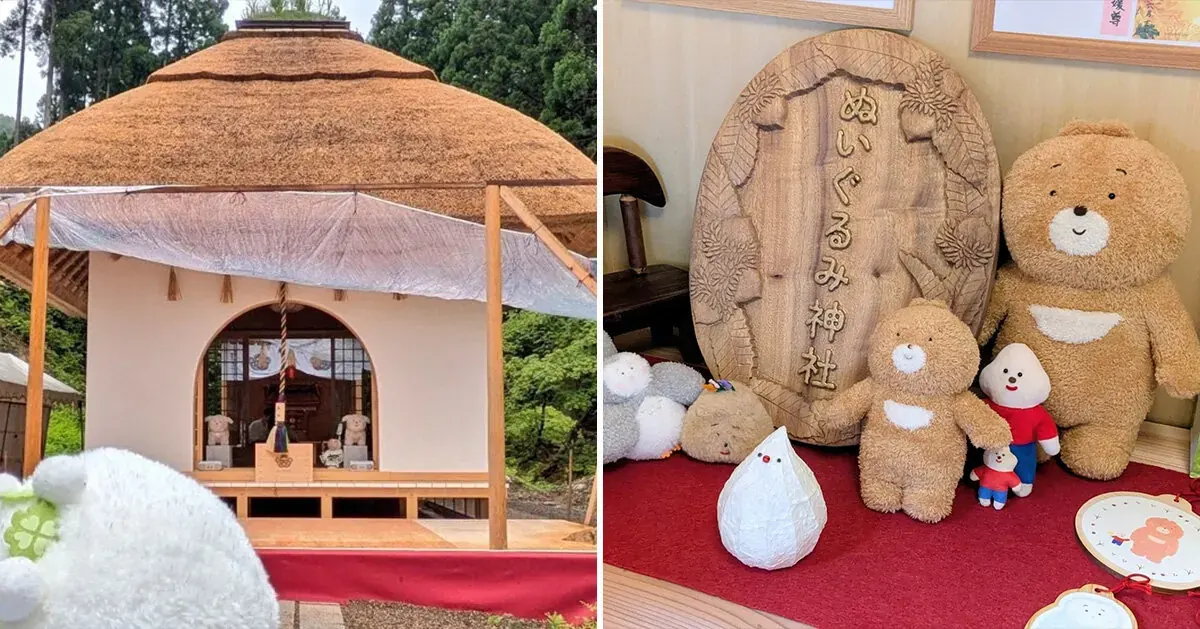
A Stuffed Animal Shrine has opened in Miyama, Nantan City, Kyoto Prefecture, offering a novel approach to memorial rituals by dedicating ceremonies and spaces to beloved plush companions. Operated by the Mofumofu-kai Stuffed Animal Hospital, the project draws inspiration from Shinto shrine traditions, environmental stewardship, and the deep emotional bonds forged in childhood.
Nestled within a 28-hectare forest, the shrine aims to serve as a place for gratitude, remembrance, and ceremonial care for stuffed animals. Its mission extends beyond honoring toys, seeking to reconnect people with nature, with each other, and with their ancestors, while promoting a broader appreciation for all forms of life. The architectural design itself reinforces this connection, featuring thatched roofs, timber construction, bear-shaped windows, and guardian figures that complement the natural forest setting.
A Timber Torii Gate
A timber torii gate marks the entrance to the Stuffed Animal Shrine, signaling a transition into a space dedicated to reflection and remembrance. The shrine’s design integrates seamlessly with the surrounding woodland, creating an atmosphere of peace and contemplation.
Forest and Companionship
The shrine views stuffed animals as significant companions that can accompany individuals through various life stages. The surrounding forest is not just a backdrop but an integral part of the shrine’s mission, with initiatives focused on environmental restoration. The Forest Guardian Society actively cultivates the woodland through tree planting, educational programs, and seasonal events, encouraging volunteer participation. Activities like acorn planting festivals, forest bathing, and workshops on ecology and traditional crafts are planned.
This approach treats the forest as a living participant, emphasizing that its well-being is directly linked to the shrine’s purpose. Stuffed animals serve as an accessible entry point for discussions about care, biodiversity, and the complex relationship between humanity and the natural world.
Memorial Services and Contemplation
A distinctive feature of the shrine is its planned “Thank You Memorial” service, inviting visitors to express gratitude for the comfort and companionship their stuffed animals have provided over the years. Organizers envision this ceremony as a way to acknowledge emotional attachments and the enduring presence of these cherished items in people’s lives. Future plans include a “Star-Connecting House,” a contemplative space designed for visitors to reflect after parting with significant possessions.
Whimsical Narrative, Deeper Meanings
The shrine has developed its own fictional universe, complete with original characters such as Milda, Puffty, and Mofu-kun, and an illustrated picture book. This narrative forms the basis of the shrine’s founding story, where these characters discover the fundamental interconnectedness of forests, humans, stuffed animals, and all living beings. While whimsical, this narrative reflects a contemporary Japanese cultural trend of reinterpreting traditional rituals to address new emotional and social needs.
Japan already has established memorial services for objects like dolls and sewing needles. By extending these practices to stuffed animals, the Kyoto shrine builds upon existing traditions, inviting a broader consideration of how affection, memory, and gratitude can be integrated into ritualistic life.
Key facts
| Aspect | Detail |
|---|---|
| Name | Stuffed Animal Shrine (Plush Toy Shrine) |
| Location | Miyama, Nantan City, Kyoto Prefecture, Japan |
| Operator | Mofumofu-kai Stuffed Animal Hospital |
| Mission | Honor stuffed animals, reconnect people with nature and ancestors |
| Key Features | Memorial services, forest restoration, fictional characters, bear-shaped windows |
The development of the Stuffed Animal Shrine highlights a growing cultural interest in finding new ways to express emotional connections and engage with remembrance. For readers interested in architecture and design, this project offers a fascinating case study of how traditional Japanese cultural practices can be reinterpreted and applied to contemporary social and emotional landscapes, blending built environments with deeply personal sentiment.
Source: Designboom – https://www.designboom.com/architecture/stuffed-animal-shrine-kyoto-visitors-cherished-plush-companions/
Source
Designboom Original publication: 2026-06-27T14:35:36+00:00
Related news

Handwoven Teak and Cord Outdoor Seating Debuts from Masaya and Abril Zepeda
Nicaraguan furniture brand Masaya has introduced two new handcrafted outdoor chairs — a rocking chair and a lounge chair — designed by…
Read more
Place in Mind: Hendricks Churchill Launches Hospitality Group to Revive Historic Properties
The architecture and interior design studio Hendricks Churchill has launched Place in Mind, a new hospitality group focused on acquiring, restoring, and…
Read more
Adalberto Dias Architects Complete Restoration of Lisbon’s Patriarchal Cathedral and Archaeological Center
The restoration of the Sé de Lisboa by Adalberto Dias Arquitecto integrates a new archaeological center, preserved cloisters, and seven centuries of…
Read more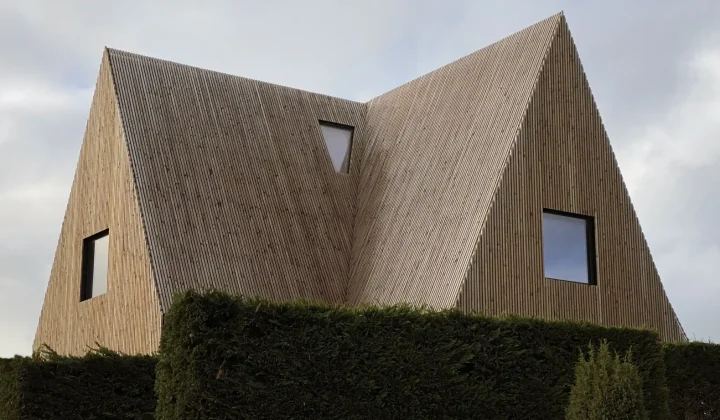
Vantieghem Talebi’s ‘House of Cards’ Brings Timber Geometry to Belgian Family Home
A new family house in Belgium by US- and Swiss-based practice Vantieghem Talebi uses a steeply pitched, card-house-inspired form clad in Douglas-fir…
Read moreRelated wiki

Adaptive Reuse in Architecture
Reference page for reuse, retrofit, conversion, embodied carbon and design constraints.
Read more