
LACMA’s David Geffen Galleries Echoes Michael Heizer’s Land Art Precedents
LACMA's new David Geffen Galleries, designed by Peter Zumthor with SOM, draws parallels to monumental land art, particularly Michael Heizer's "City," in its expansive design and immersive spatial experience.
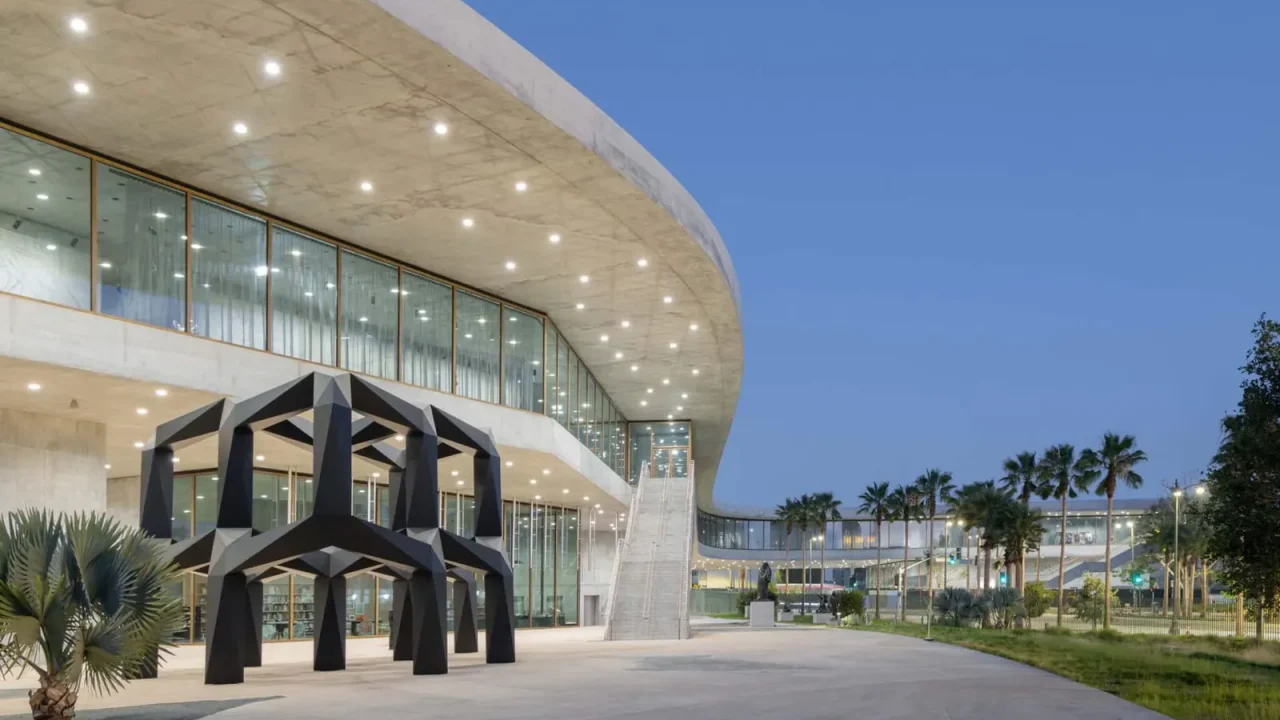
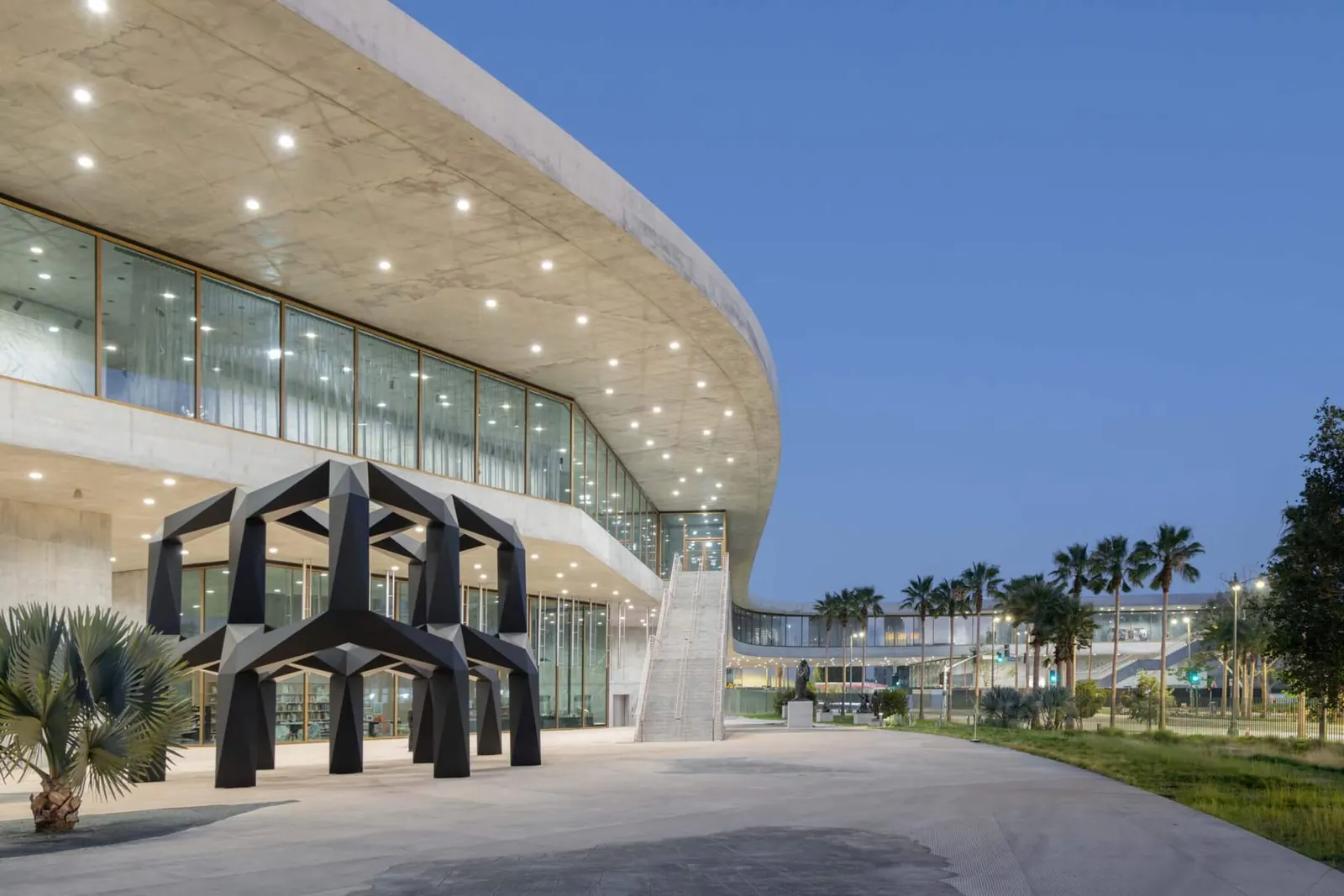
The recently opened David Geffen Galleries at the Los Angeles County Museum of Art (LACMA) has drawn striking comparisons to the monumental land art of the 1960s and 70s, with a particular emphasis on the work of artist Michael Heizer. LACMA Director Michael Govan has embraced this connection, seeing the museum’s new structure as a spiritual successor to Heizer’s “City,” a vast, earthwork sculpture located in Nevada.
Designed by Pritzker Prize-winning architect Peter Zumthor in collaboration with SOM, the David Geffen Galleries is characterized by its immense scale and a design philosophy that prioritizes an expansive, untethered visitor experience. The building features two colossal concrete plates, one serving as the floor and the other as the ceiling, creating a vast, seemingly unbounded interior space. This approach, according to Govan, directly echoes the experience of engaging with land art, where the environment itself becomes a primary element of the artwork.
Por que importa
Govan, who was a significant supporter of Heizer’s “City” during his tenure at the Dia Art Foundation, sees a clear lineage between the desert-based mega-sculpture and the new LACMA building. “You’re 100 percent right,” Govan told The Architect’s Newspaper, acknowledging the parallels. “Nobody’s connected all those things together.” Heizer’s “City,” a project that began 55 years ago and finally opened to the public in 2022, encompasses an area comparable to several hundred football fields, featuring berms, depressions, and mastaba-like constructions.
The design of the David Geffen Galleries, with its lack of prescribed routes and minimal signage, encourages visitors to explore and form their own connections with the art. This subjective experience mirrors the immersive quality of land art installations, where the vastness of the landscape and the scale of the interventions demand a personal and often solitary engagement.
Contexto
Peter Zumthor, known for his more intimate, jewel-like structures, was brought into the LACMA project by Govan, who had previously exposed him to the concept of vast exhibition spaces during the development of Dia:Beacon. Zumthor, who has expressed admiration for land art, noted his sympathy for the comparison, stating, “I have my own thoughts, but I’m not saying no.” He has plans to visit Heizer’s “City” with Govan to further explore these connections.
Early renderings of Zumthor’s design for the Geffen Galleries revealed a more organic, amoeboid plan, devoid of right angles and a dark, brooding facade that evoked the neighboring La Brea Tar Pits. Govan emphasized the importance of “landform and horizontality” in his requirements for the building, a principle deeply embedded in the land art movement. While the final design evolved, the core concept of architecture as topography and an expansive horizontal presence remains.
The museum’s placement above Wilshire Boulevard is also seen as a deliberate statement, challenging the dominance of the automobile in Los Angeles and asserting the primacy of art within the urban landscape, a notion not dissimilar to how land art occupies and redefines vast natural environments.
Key facts
| Feature | Detail |
|---|---|
| Building | David Geffen Galleries, LACMA |
| Architects | Peter Zumthor with SOM |
| Inspiration | Michael Heizer’s “City,” Land Art movement |
| Key Design | Monumental scale, horizontal emphasis, expansive interior space, minimal prescribed routes |
| Govan’s Vision | To create an immersive, expansive art experience akin to land art installations |
The integration of land art principles into the design of a major urban museum signifies a thoughtful evolution in architectural and curatorial thinking. It suggests a move towards creating spaces that are not merely containers for art but are themselves integral to the aesthetic and conceptual experience, inviting visitors to engage with art and environment on a grand scale.
Source: The Architect’s Newspaper, https://www.archpaper.com/2026/07/michael-heizer-lacma-new-david-geffen-galleries/
Source
The Architect's Newspaper Original publication: 2026-07-07T21:25:23+00:00
Related news
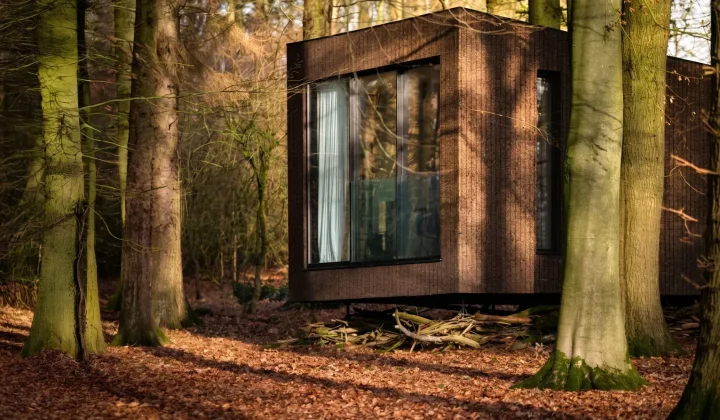
Koto launches Haku, a mobile prefab hotel suite built on a wheeled chassis to bypass UK planning restrictions
UK architecture studio Koto has unveiled Haku, a fully mobile prefabricated suite that legally qualifies as a caravan, allowing landowners and hotel…
Read more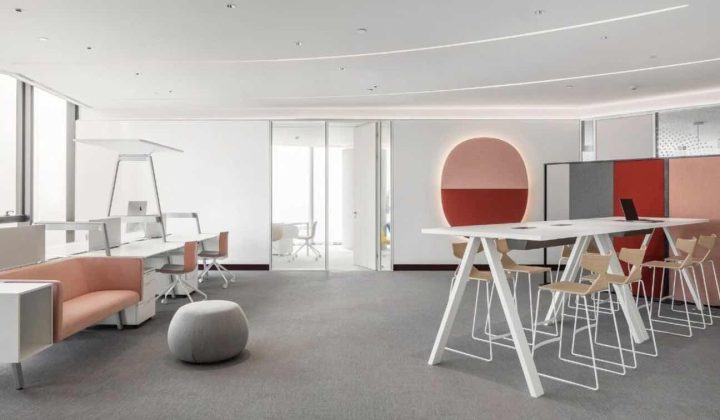
HONG Designworks Completes Private Office in Xi’an That Balances Memory, Materiality, and Long-Term Use
The Xi’an office by HONG Designworks integrates a folded steel staircase, retained furniture from a previous workspace, and a restrained purple-gray palette…
Read more
Handwoven Teak and Cord Outdoor Seating Debuts from Masaya and Abril Zepeda
Nicaraguan furniture brand Masaya has introduced two new handcrafted outdoor chairs — a rocking chair and a lounge chair — designed by…
Read more
Place in Mind: Hendricks Churchill Launches Hospitality Group to Revive Historic Properties
The architecture and interior design studio Hendricks Churchill has launched Place in Mind, a new hospitality group focused on acquiring, restoring, and…
Read moreRelated wiki

Adaptive Reuse in Architecture
Reference page for reuse, retrofit, conversion, embodied carbon and design constraints.
Read more