
Miwa Ito Crafts “Forbidden Treats” from Molten Glass, Blurring Lines Between Art and Appetite
Japanese artist Miwa Ito transforms molten glass into hyper-realistic food sculptures, challenging perceptions of the material and inviting viewers to contemplate everyday objects and existence.
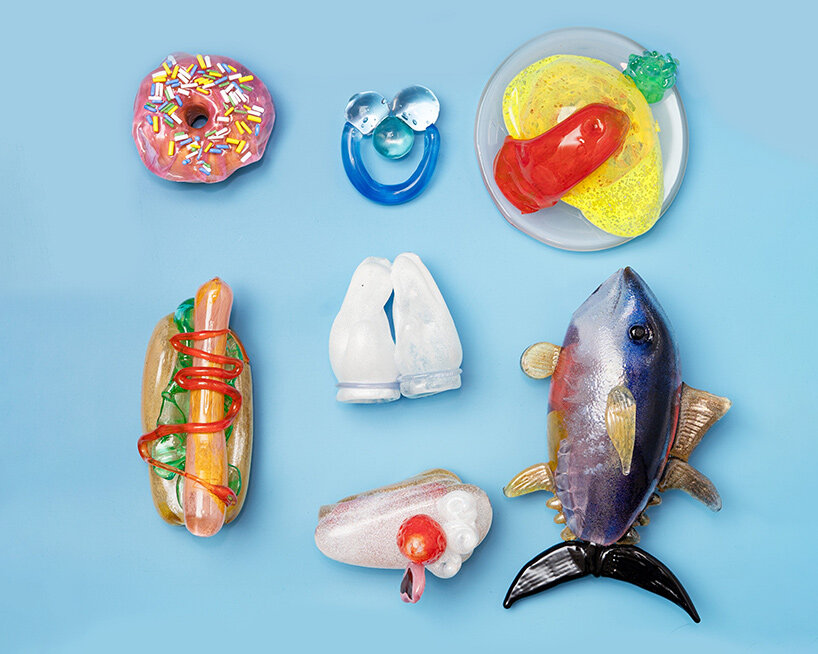
Japanese artist Miwa Ito is challenging our perceptions of material and appetite by transforming molten glass into astonishingly realistic replicas of food. From glistening flan and donuts to steaming bowls of ramen and gyoza, Ito’s “forbidden treats” look so convincing they invite a second glance, or perhaps a warning not to taste. Based in Osaka, Ito utilizes the demanding craft of glassblowing to imbue a material typically associated with fragility and coolness with the warmth and texture of edible items.
The artist’s fascination with glass stems from a desire to encourage a deeper appreciation for the world around us. “Through glass, I hope to create works that encourage people to look again at the things they may have overlooked: the life within other living beings, the value of everyday objects, and the many connections that support our existence,” Ito explains. This philosophy is evident in her meticulous recreation of everyday consumables, prompting viewers to reconsider the familiar through an unexpected medium.
The Art of Illusion
Glassblowing is a process that demands precision, timing, and a deep understanding of the material’s properties. The molten glass, glowing and malleable, requires swift and decisive movements before it cools and solidifies. Ito masterfully navigates this narrow window of opportunity, coaxing the glass to mimic the soft curves of custard, the chewiness of dough, or the crispiness of fried skin. The success of her food sculptures lies in this delicate balance—enough control to maintain form, but not so much as to lose the inherent fluidity of glass. Her works often appear caught in a moment of transformation, as if the glass itself is playfully pretending to be food.
Beyond the visual allure, Ito shares her creative process through “Glassman poo poo,” a video project that demystifies the hot shop environment. These online clips offer a glimpse into the almost culinary nature of glass manipulation, where gathering, shaping, cutting, and assembling molten glass results in the appearance of desserts, dumplings, or whimsical characters. The videos highlight the physicality of glassblowing, emphasizing the role of breath, heat, and the artist’s hand in shaping the final piece. The satisfaction viewers derive from watching familiar items come together through this unconventional material is amplified by the visible effort and skill involved.
A Broader Artistic Vision
While her food sculptures have gained significant attention, Miwa Ito’s artistic practice extends to vessels, animals, and character-like sculptures. Her “Goofy Goblets” and “Slime Mugs” exhibit a charmingly imperfect aesthetic, appearing to tilt, wobble, or swell, as if still partially in a liquid state. Vases and saucers similarly blur the lines between functional tableware and whimsical personalities. Her animal figures and vessels share the same uncanny threshold as the food works—they are recognizable yet subtly altered, possessing a friendly demeanor while retaining the inherent sheen and untouchability of glass. This slight deviation from the expected creates a unique visual language that is both approachable and intriguing, allowing the handmade objects to embrace their inherent strangeness without appearing overly polished.
Connecting to Gratitude
Ito’s food sculptures also resonate with the Japanese concept of “itadakimasu,” the phrase uttered before a meal as an expression of gratitude. Literally meaning “I humbly receive,” it acknowledges not only the food itself but also the lives, labor, and care that contributed to its creation. “It’s a quiet thank you — for life, for care, for the unseen,” the artist shares. By translating this traditional practice into a contemporary artistic context, Ito infuses her work with a sense of mindfulness and appreciation. She makes glassblowing feel current not through technological integration or futuristic design, but through a lighter, more resonant approach—marrying the ancient art form with the accessible language of cartoons, snacks, and internet culture. The immediate appeal of a glass donut draws viewers in, and upon understanding the intricate process behind its creation, the object becomes even more profound, its apparent softness a masterful illusion born from disciplined handling of a demanding material.
Key facts
| Aspect | Detail |
|---|---|
| Artist | Miwa Ito |
| Medium | Molten glass |
| Notable works | Realistic food sculptures (desserts, ramen, gyoza), vessels, characters |
| Philosophy | Encouraging viewers to look again at everyday objects and existence |
| Process Sharing | “Glassman poo poo” video project |
Miwa Ito’s innovative approach to glass art offers a fresh perspective on materiality and perception, making her work a compelling addition to the design and art landscape. Her ability to infuse humor and cultural resonance into the demanding craft of glassblowing provides a unique lens through which to appreciate the value of everyday objects and the interconnectedness of existence.
Source: https://www.designboom.com/art/japanese-miwa-ito-molten-glass-forbidden-treats-food/
Source
Designboom Original publication: 2026-06-28T13:45:16+00:00
Related news

Handwoven Teak and Cord Outdoor Seating Debuts from Masaya and Abril Zepeda
Nicaraguan furniture brand Masaya has introduced two new handcrafted outdoor chairs — a rocking chair and a lounge chair — designed by…
Read more
Place in Mind: Hendricks Churchill Launches Hospitality Group to Revive Historic Properties
The architecture and interior design studio Hendricks Churchill has launched Place in Mind, a new hospitality group focused on acquiring, restoring, and…
Read more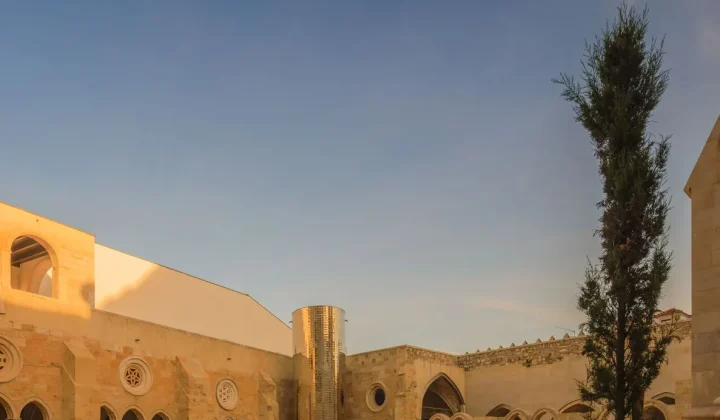
Adalberto Dias Architects Complete Restoration of Lisbon’s Patriarchal Cathedral and Archaeological Center
The restoration of the Sé de Lisboa by Adalberto Dias Arquitecto integrates a new archaeological center, preserved cloisters, and seven centuries of…
Read more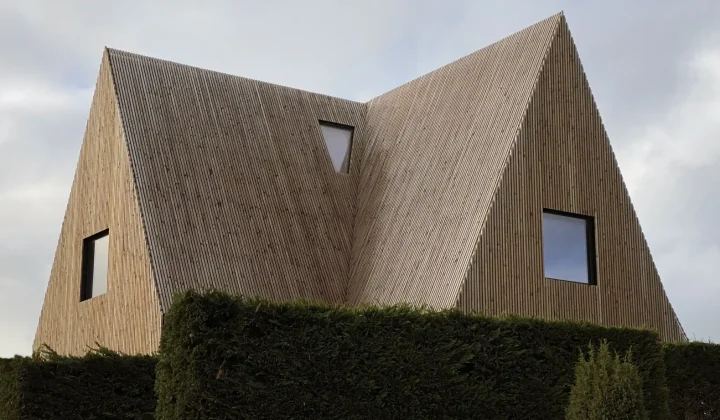
Vantieghem Talebi’s ‘House of Cards’ Brings Timber Geometry to Belgian Family Home
A new family house in Belgium by US- and Swiss-based practice Vantieghem Talebi uses a steeply pitched, card-house-inspired form clad in Douglas-fir…
Read moreRelated wiki
Adaptive Reuse in Architecture
Reference page for reuse, retrofit, conversion, embodied carbon and design constraints.
Read more