
Big Ears Festival: Lessons in Urban Activation and Design from Knoxville’s Experimental Music Event
An experimental music festival in Knoxville offers insights into how design can shape collective cultural experiences, activate urban spaces, and foster community engagement.
TITLE: Big Ears Festival: Lessons in Urban Activation and Design from Knoxville’s Experimental Music Event
SLUG: big-ears-festival-urban-activation-design-knoxville
EXCERPT: An experimental music festival in Knoxville offers insights into how design can shape collective cultural experiences, activate urban spaces, and foster community engagement.
CATEGORY: Architecture News
TAGS: Big Ears Festival, Knoxville, Urbanism, Design, Cultural Events, Music Festivals, Urban Activation
SEO_TITLE: Big Ears Festival: How Knoxville’s Music Event Inspires Urban Design and Cultural Engagement
SEO_DESCRIPTION: Explore the lessons architects and designers can draw from the Big Ears experimental music festival in Knoxville, Tennessee, focusing on urban activation, community building, and innovative cultural experiences.
MEDIA_QUERY: Experimental music festival venues in downtown Knoxville, Tennessee
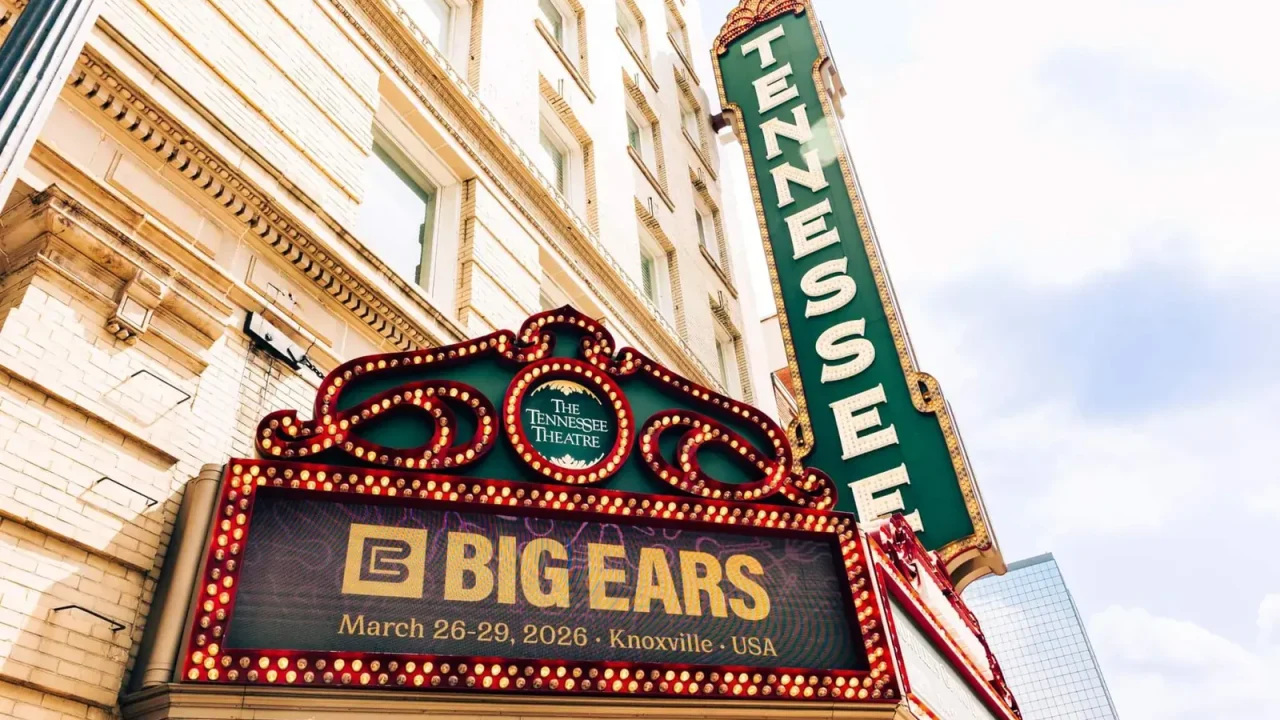
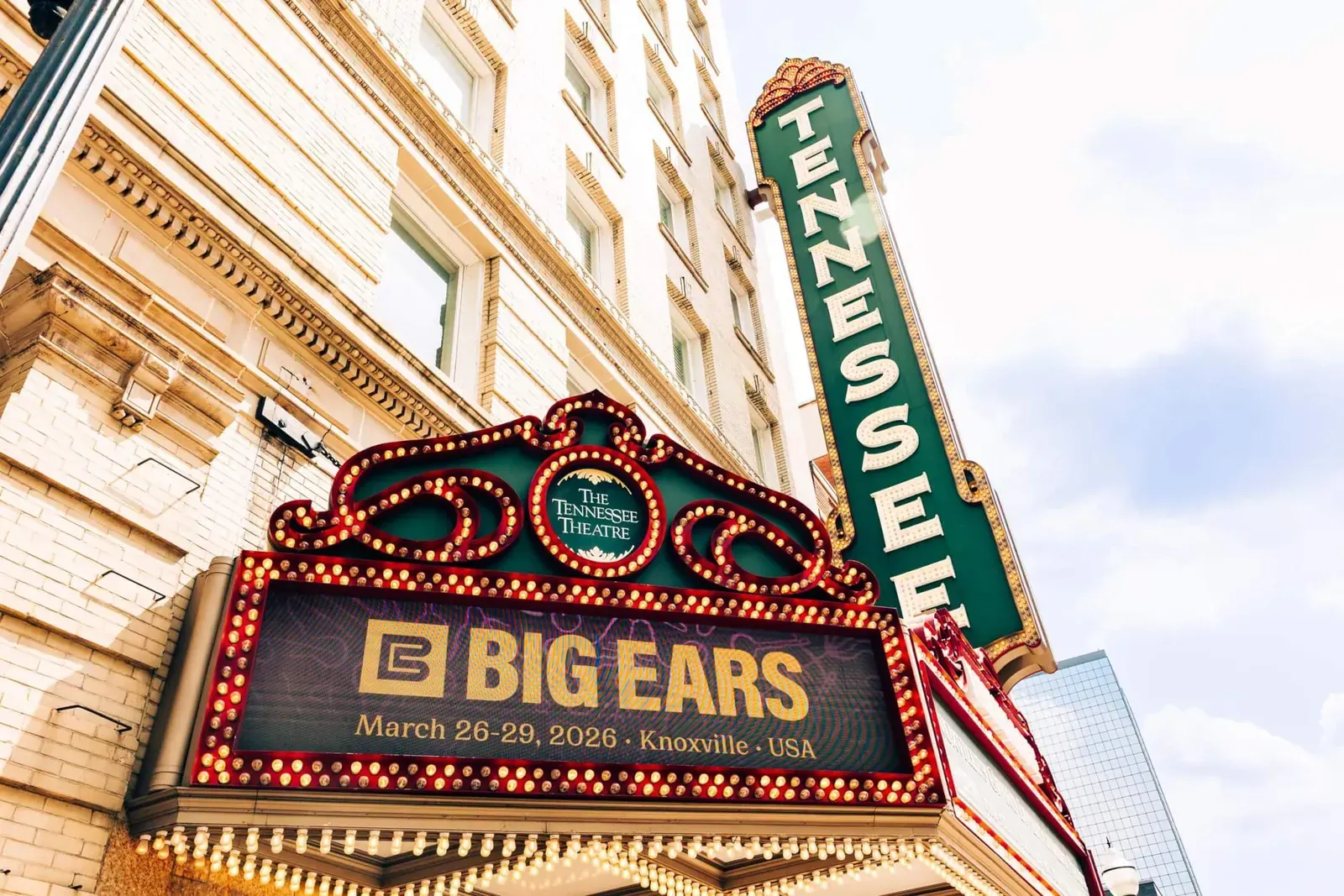
IMAGE_ALT: Various venues across downtown Knoxville, Tennessee, hosting the Big Ears experimental music festival, including the historic Tennessee Theater.
The Big Ears festival, an experimental music gathering held annually in Knoxville, Tennessee, has emerged as a significant case study in urban activation and the power of design to shape collective cultural experiences. While primarily a music event, its unique approach to programming, venue integration, and community engagement offers valuable lessons for architects, designers, and urban planners.
Founded in 2009 by Ashley Capps, Big Ears transforms the hilly downtown of Knoxville into a vibrant, walkable constellation of music and art. Unlike traditional festival settings, it utilizes historic theaters, clubs, bars, and other venues, embedding the experience within the city’s existing fabric. This integration not only highlights Knoxville’s architectural assets but also breathes new life into underutilized spaces.
Key facts
| Aspect | Detail |
| :———————- | :——————————————————————— |
| Festival | Big Ears, experimental music festival |
| Location | Knoxville, Tennessee |
| Founded | 2009 by Ashley Capps |
| Economic Impact (2025) | $68.9 million |
| Attendees (2025) | Over 35,000 from 49 states and 20+ countries |
| Program Budget (2025) | $3.5 million |
Urban Activation Through Music
Big Ears demonstrates how a carefully curated cultural event can serve as a catalyst for urban revitalization. By strategically programming events across diverse downtown locations, the festival activates spaces that might otherwise remain dormant for much of the year. This creates a dynamic and interconnected urban landscape, drawing residents and visitors alike into a shared experience. Architects and designers can learn from this model of how to leverage cultural programming to enhance the vitality and usability of urban environments.
Fostering Curiosity and Discovery
A recurring theme among attendees and participants is the festival’s emphasis on curiosity and discovery. John Sanders, a Knoxville-based architect and former board member, highlights the value of “willingness to engage in the unknown.” This philosophy encourages attendees to move beyond pre-planned itineraries and embrace serendipitous encounters with new music and ideas. For designers, this translates to an approach that values exploration, openness to novel solutions, and the creation of environments that invite spontaneous engagement.
Intimacy and Community Connection
Big Ears is noted for fostering a sense of intimacy and community. Designer Alexa Colas observes the unique opportunity to “share a sidewalk with an artist who just performed on an international stage” and to “discuss their performance… like you’re among friends.” This proximity between artists and audiences, facilitated by the festival’s urban setting, breaks down traditional hierarchies and cultivates a more personal and connected experience. This model suggests that design interventions in public spaces can enhance social infrastructure and encourage meaningful interactions.
The City as a Sonic Landscape
The festival effectively turns Knoxville into a “sonic landscape ripe for exploration.” Brian Phillips, a board member and principal at ISA, emphasizes that the musicians are often “rooted in their places” and that the festival becomes a “meeting of cities as much as a meeting of musicians.” This interconnectedness, where the urban environment and the artistic programming mutually inform each other, offers a powerful example of how place-specific design can amplify the impact of cultural events. Landscape architects, in particular, can draw inspiration from how the festival utilizes the city’s natural topography and existing architecture to create a unique audience experience.
Design’s Role and “Anti-Spectacle”
While the festival’s primary focus is music, the presence and potential of design are evident. Charlie Vinz, a first-time visitor, noted how “legible the festival helped make downtown Knoxville,” with landmarks and locations aiding orientation. He also commented on the festival’s “anti-spectacle” nature, suggesting that large, flashy installations might alienate locals. Instead, the potential for design lies in more subtle interventions, such as improving amenities in queuing areas or enhancing the legibility of the urban environment. This points to a design philosophy that prioritizes functionality, context, and community integration over overt visual statements.
Challenges and Opportunities
Despite its successes, Big Ears faces challenges. The cost of festival passes has been a point of contention for some locals, highlighting the ongoing need to balance high-caliber programming with community accessibility. Furthermore, while the festival leverages existing architecture, there’s an ongoing opportunity for design to play a more visible role in creating temporary structures or enhancing the experience at outlying venues.
The Big Ears festival serves as a compelling example of how experimental arts programming, when thoughtfully integrated into an urban context, can foster cultural engagement, stimulate local economies, and provide valuable insights for designers seeking to create more dynamic and connected public spaces.
Source: The Architect’s Newspaper, https://www.archpaper.com/2026/06/architects-designers-learn-big-ears-tennessee/
Datos clave
| Punto | Detalle |
|---|---|
| Fuente | The Architect's Newspaper |
| Fecha | 2026-06-30T16:06:50+00:00 |
| Tema | What did architects and designers learn from Big Ears, an experimental music festival in Knoxville, Tennessee? |
Source
The Architect's Newspaper Original publication: 2026-06-30T16:06:50+00:00
Related news
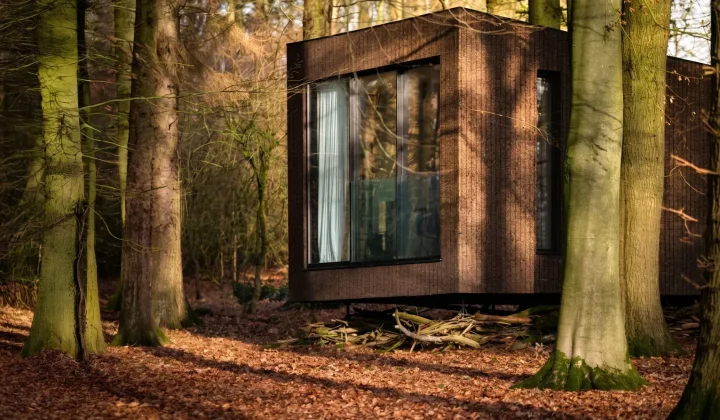
Koto launches Haku, a mobile prefab hotel suite built on a wheeled chassis to bypass UK planning restrictions
UK architecture studio Koto has unveiled Haku, a fully mobile prefabricated suite that legally qualifies as a caravan, allowing landowners and hotel…
Read more
HONG Designworks Completes Private Office in Xi’an That Balances Memory, Materiality, and Long-Term Use
The Xi’an office by HONG Designworks integrates a folded steel staircase, retained furniture from a previous workspace, and a restrained purple-gray palette…
Read more
Handwoven Teak and Cord Outdoor Seating Debuts from Masaya and Abril Zepeda
Nicaraguan furniture brand Masaya has introduced two new handcrafted outdoor chairs — a rocking chair and a lounge chair — designed by…
Read more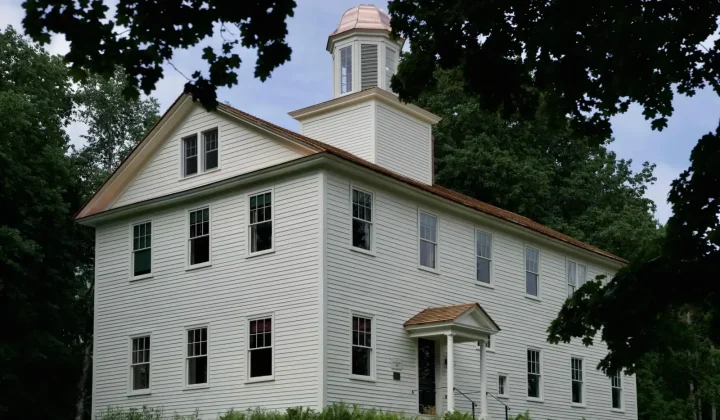
Place in Mind: Hendricks Churchill Launches Hospitality Group to Revive Historic Properties
The architecture and interior design studio Hendricks Churchill has launched Place in Mind, a new hospitality group focused on acquiring, restoring, and…
Read moreRelated wiki

Adaptive Reuse in Architecture
Reference page for reuse, retrofit, conversion, embodied carbon and design constraints.
Read more