Newark Commercial Buildings Face Critical Flat Roof Membrane Decisions
Property owners in Newark are advised to carefully consider flat roof membrane choices, with TPO emerging as a leading option due to its durability, energy efficiency, and chemical resistance, while EPDM and modified bitumen offer alternative benefits based on budget and specific building needs.
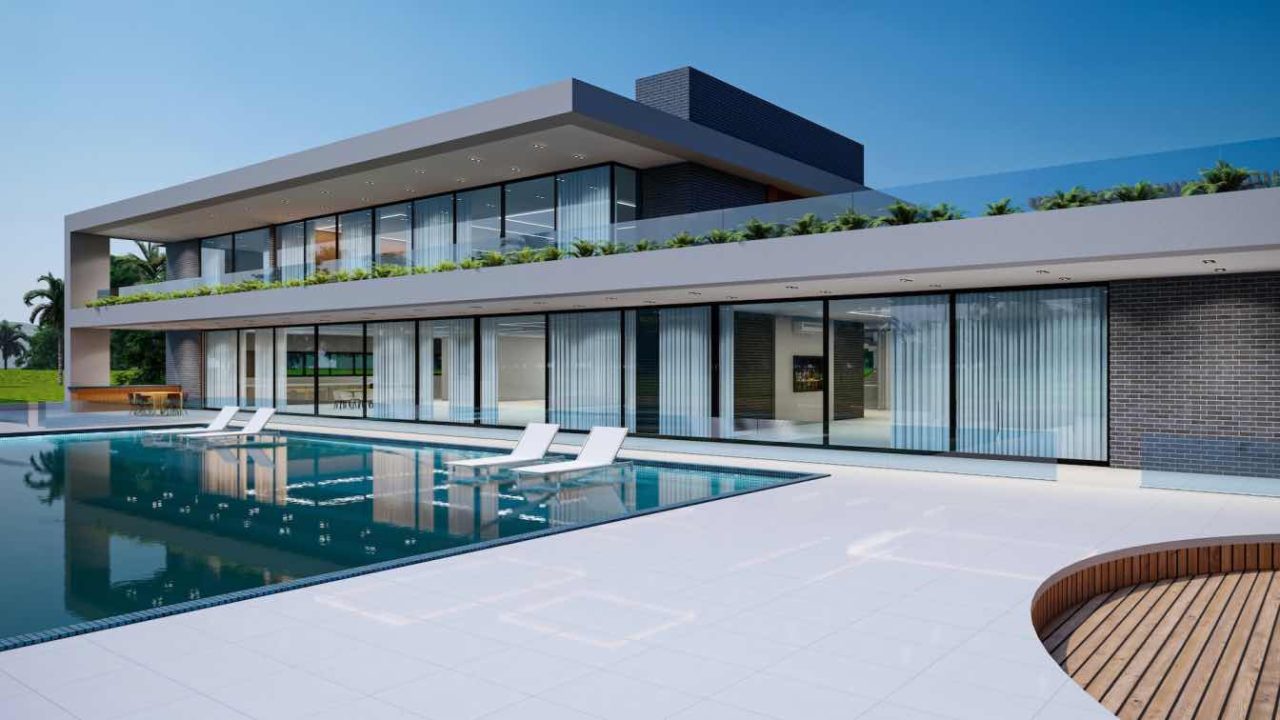
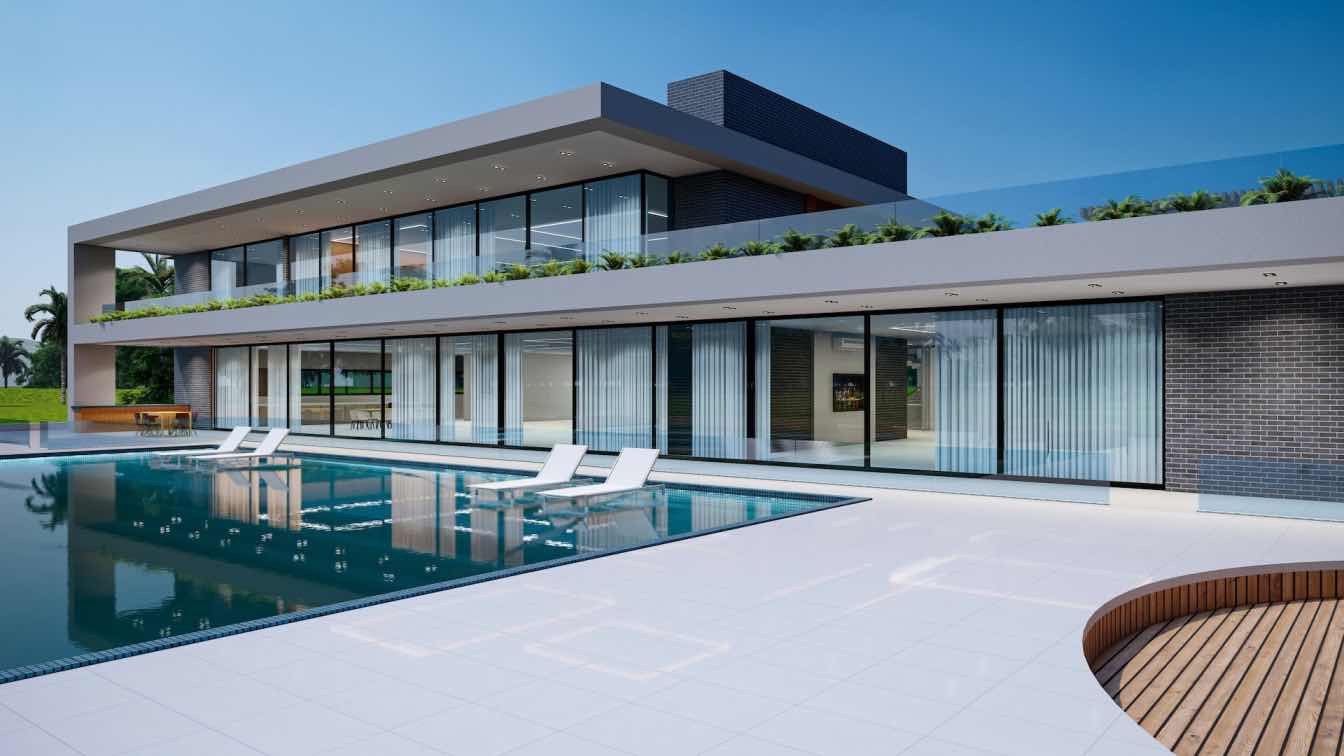
Newark’s commercial landscape, characterized by its warehouses, retail spaces, and multi-family dwellings, predominantly utilizes flat or low-slope roofing systems. This architectural choice places significant emphasis on the selection of an appropriate roof membrane, a decision that directly impacts a building’s performance, particularly in the challenging climatic conditions of New Jersey, which include harsh freeze-thaw cycles in winter and humid summers.
TPO Emerges as a Top Choice
Thermoplastic polyolefin (TPO) has become the most specified commercial flat roof membrane nationwide, a trend mirrored in Newark’s roofing market. Its popularity stems from several key attributes that align well with the local climate and urban environment. Heat-welded seams are a significant advantage, creating bonds stronger than the membrane material itself, which is crucial for withstanding the stresses of ice, wind, and thermal expansion and contraction common in the region.
Furthermore, TPO’s reflective white surface plays a vital role in energy savings. By reflecting a substantial portion of solar radiation, it can significantly reduce summer cooling costs for buildings with large roof areas, offering a particular benefit in mitigating Newark’s urban heat island effect. The membrane also exhibits good resistance to chemicals such as grease and oils, making it suitable for roofs above restaurant exhaust systems or industrial facilities. A properly installed TPO roof typically offers a lifespan of 20 to 30 years, outperforming older modified bitumen systems in longevity, despite a potentially higher initial material cost.
EPDM and Modified Bitumen Options
Ethylene propylene diene monomer (EPDM), commonly known as “rubber roofing,” remains a viable option for specific commercial buildings. It can be particularly advantageous when budget is a primary concern or when the roof’s configuration is better suited to a fully adhered rubber membrane rather than a heat-welded system. While a proven technology, EPDM generally trails TPO in energy efficiency due to its typically black color, which absorbs rather than reflects solar heat.
Modified bitumen often presents the most budget-friendly choice among the three common membrane types. The trade-off for its lower upfront cost is a somewhat shorter lifespan compared to TPO. It continues to be a popular choice for smaller residential and mixed-use buildings across Essex County. A practical advantage of modified bitumen is that repairs can often be executed using torch-applied or self-adhered methods, requiring less specialized equipment than TPO welding, which can be beneficial for buildings anticipating localized repairs over their lifespan.
Factors Influencing Roofing Costs in Newark
Several market-specific factors can contribute to commercial roofing costs in Newark exceeding national averages. Permitting is one such factor, as Newark requires permits for most commercial roof replacements, and permit fees in this part of New Jersey tend to be higher than in suburban areas.
Access challenges also play a role. Many commercial buildings in Newark are located on tight urban lots or are multi-story structures lacking easy crane access. These conditions often necessitate the use of scaffolding or specialized equipment, increasing labor costs. The complexity of tear-off, particularly on older buildings with multiple layers of built-up roofing, adds further expense compared to removing a single existing membrane.
Finally, insulation upgrades are frequently a requirement. New Jersey’s energy code mandates minimum R-value requirements for commercial roofing. Buildings with insulation below current standards will often require the installation of new polyisocyanurate (polyiso) board as part of the roofing project, a cost that can be easily underestimated.
Key Questions for Roofing Contractors
Given how these variables can impact both performance and price, property owners are encouraged to ask specific questions of any commercial roofer bidding on a project. It is important to inquire about the specified membrane thickness and whether it meets recommended standards for New Jersey’s climate. Clarification should be sought on whether existing insulation will be evaluated for code compliance or only replaced if visibly damaged. The scope of the tear-off, including the disposal of old roofing layers, should be clearly itemized rather than bundled into a general estimate.
A commercial roof replacement represents a substantial capital investment. The chosen membrane will significantly influence the building’s performance, energy consumption, and long-term maintenance needs for decades. Engaging with an experienced commercial roofer who can assess the specific building, its access challenges, and insulation condition, and recommend a tailored membrane system, is the most reliable method for protecting this investment. Consulting with a trusted Newark commercial roofing company early in the planning process can prevent rushed decisions driven by emergencies like leaks or failed inspections.
Source: Amazing Architecture, https://amazingarchitecture.com/articles/choosing-the-right-flat-roof-membrane-for-a-newark-commercial-building
Datos clave
| Punto | Detalle |
|---|---|
| Fuente | Amazing Architecture |
| Fecha | 2026-07-01T22:43:21+00:00 |
| Tema | Choosing the Right Flat Roof Membrane for a Newark Commercial Building |
Source
Amazing Architecture Original publication: 2026-07-01T22:43:21+00:00
Related news
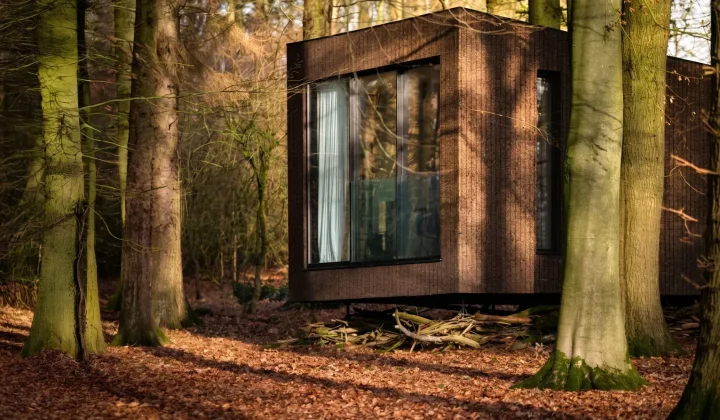
Koto launches Haku, a mobile prefab hotel suite built on a wheeled chassis to bypass UK planning restrictions
UK architecture studio Koto has unveiled Haku, a fully mobile prefabricated suite that legally qualifies as a caravan, allowing landowners and hotel…
Read more
HONG Designworks Completes Private Office in Xi’an That Balances Memory, Materiality, and Long-Term Use
The Xi’an office by HONG Designworks integrates a folded steel staircase, retained furniture from a previous workspace, and a restrained purple-gray palette…
Read more
Handwoven Teak and Cord Outdoor Seating Debuts from Masaya and Abril Zepeda
Nicaraguan furniture brand Masaya has introduced two new handcrafted outdoor chairs — a rocking chair and a lounge chair — designed by…
Read more
Place in Mind: Hendricks Churchill Launches Hospitality Group to Revive Historic Properties
The architecture and interior design studio Hendricks Churchill has launched Place in Mind, a new hospitality group focused on acquiring, restoring, and…
Read moreRelated wiki

Adaptive Reuse in Architecture
Reference page for reuse, retrofit, conversion, embodied carbon and design constraints.
Read more