
Architectural Marvels: How Casino Buildings Define the Gaming Experience
From the Belle Époque elegance of Monte Carlo to the futuristic structures of Singapore, casino architecture transcends mere gambling venues, becoming landmarks of art, culture, and immersive experiences.
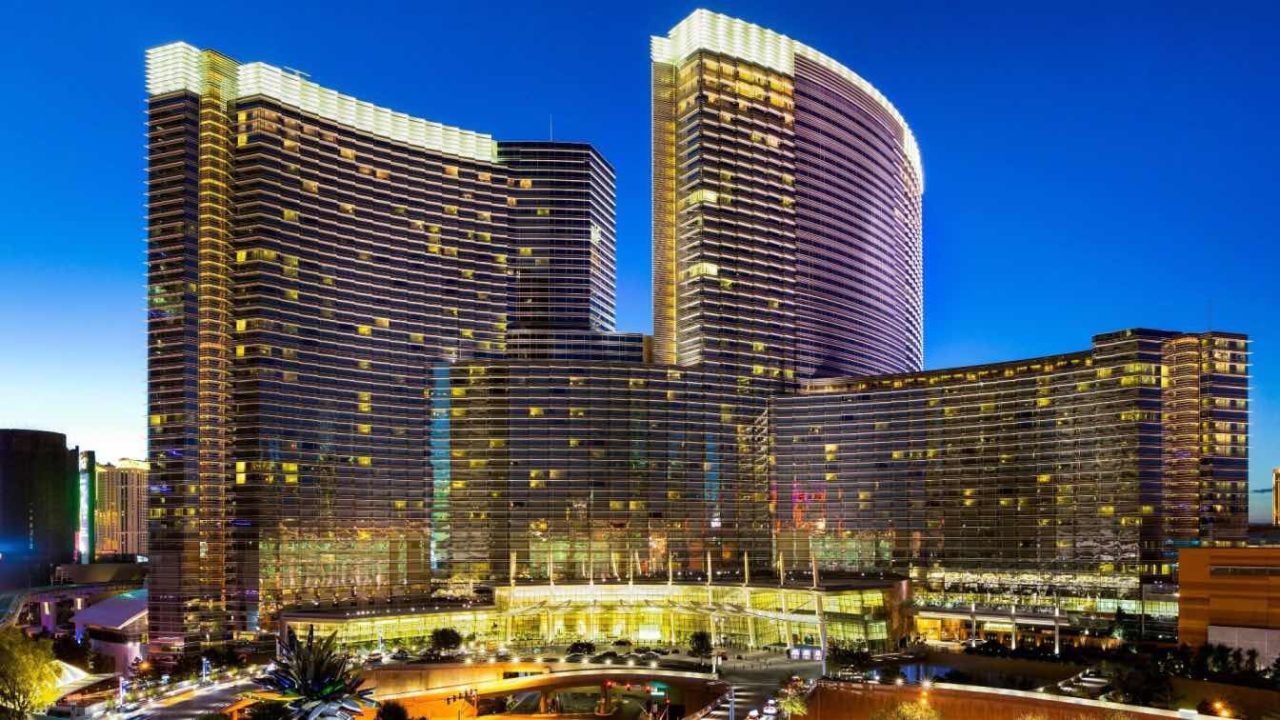
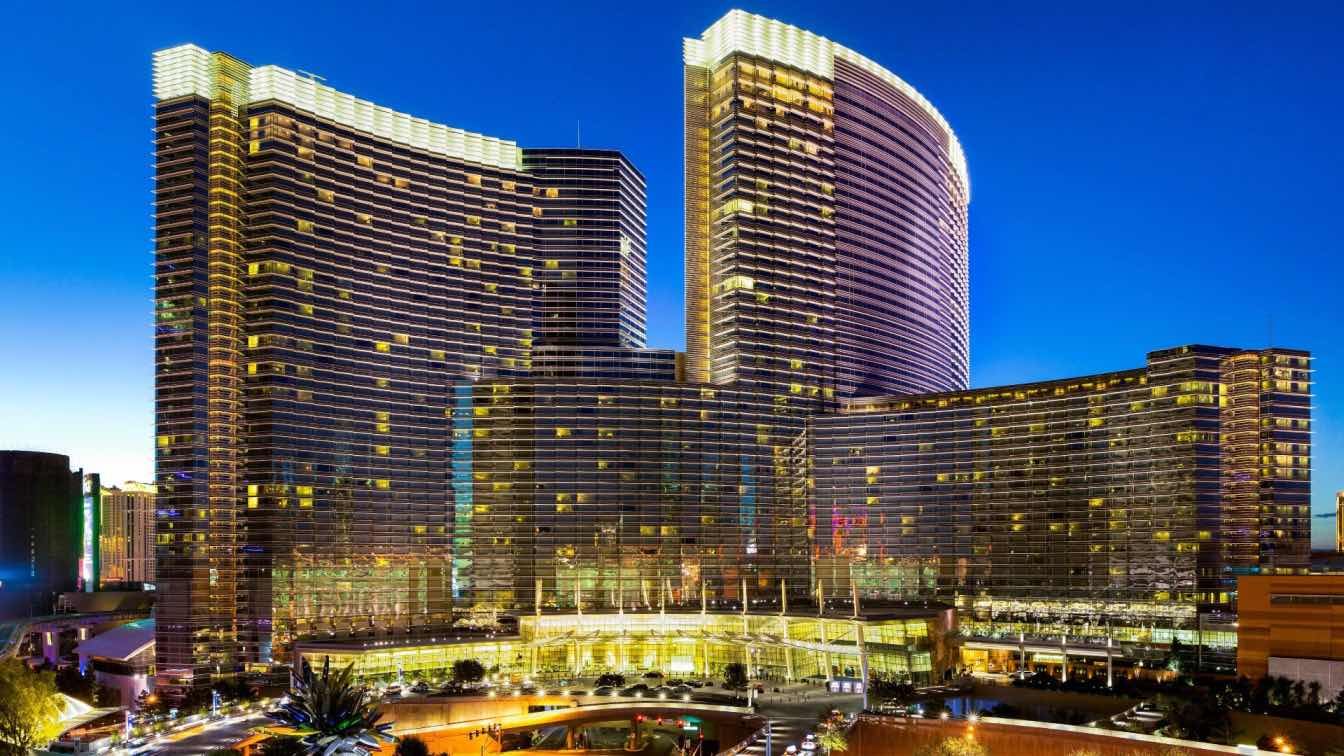
Casinos have long evolved beyond simple gambling halls to become significant architectural statements, blending art, technology, and culture into impressive structures. These buildings often serve as landmarks, drawing visitors not just for gaming but for their aesthetic and experiential value.
The Influence of Casino Architecture
Throughout the world, casino buildings are recognized as architectural landmarks. Their design is meticulously planned to create an overall experience, influencing tourism itineraries and attracting visitors who are keen to admire the structures themselves. Many patrons visit these establishments for their amenities, such as restaurants, shopping, and galleries, rather than solely for gambling.
This architectural significance also impacts the digital realm, with many online casinos adopting visual design motifs inspired by popular physical casino buildings. The elegant color schemes, luxurious lighting, and branding characteristic of renowned resorts are frequently mirrored in the interfaces of online platforms.
Iconic Examples of Casino Architecture
The Monte Carlo Casino in Monaco, designed by Charles Garnier, stands as a prime example of Belle Époque architecture. Its marble stairs, intricate sculptural decorations, crystal chandeliers, and ceiling paintings exemplify beauty and craftsmanship. Unlike modern casinos focused on grand attractions, Monte Carlo’s appeal lies in its perfect proportions and exquisite decoration, making it a popular filming location and a timeless entertainment venue.
In contrast, The Venetian Macao is a colossal resort that recreates the charm of Venice, Italy, complete with canals, bridges, Renaissance architecture, and a vast indoor painted sky. It offers an immersive experience, transporting visitors to another city. Beyond its gaming floors, the resort boasts luxury shopping, fine dining, theaters, conference centers, and extensive hotel accommodations, showcasing the evolution of casino resorts into comprehensive lifestyle destinations.
Marina Bay Sands in Singapore presents a distinctly modern architectural vision. Its three interconnected skyscrapers topped by the iconic SkyPark create a recognizable skyline. The design incorporates large glass facades, atriums, and abundant natural light, diverging from the typically enclosed atmosphere of casinos. This project uniquely connects the building with its surrounding landscape and demonstrates how sustainability and engineering innovation can be integrated with luxury hospitality, influencing subsequent casino resort developments across Asia.
Key Features of Memorable Casino Architecture
Successful casino architecture often shares several distinguishing features:
- A unique and recognizable facade that serves as a landmark.
- Thoughtfully designed interiors that balance luxury with functionality.
- Integration of fine artwork, sculptures, and decorative elements.
- Inclusion of diverse entertainment facilities such as theaters, restaurants, hotels, and shops.
- A visual identity that reflects the local culture and history of its location.
These elements collectively transform casinos into tourist attractions, extending their appeal far beyond the gaming floor.
Planning a Casino Visit
When planning a visit to a casino, potential visitors can consider several factors to ensure an optimal experience, whether their primary interest is architecture, gambling, luxury accommodation, or entertainment. Researching the history and architectural style of the destination beforehand can enrich the visit. Comparing the available facilities, such as dining, lodging, and shopping options, is also advisable. Utilizing independent reviews can offer insights into the overall visitor experience. For those intending to gamble, comparing bonuses, security measures, and other services offered by both land-based and online casinos, potentially using comparison tools, can help in making informed decisions.
Casino buildings, from the historic allure of Monaco to the contemporary designs of Singapore, underscore the fact that outstanding architecture can be as captivating as the games themselves.
Key facts
| Feature | Description |
| :———————- | :————————————————————————- |
| Architectural Focus | Casinos as landmarks blending art, technology, and culture. |
| Iconic Examples | Monte Carlo Casino (Monaco), The Venetian Macao, Marina Bay Sands (Singapore). |
| Key Design Elements | Unique facades, luxurious interiors, integrated amenities, cultural reflection. |
| Visitor Experience | Beyond gambling, casinos offer entertainment, shopping, and cultural immersion. |
This exploration of casino architecture highlights how these structures serve as significant cultural and artistic landmarks, offering insights into urban development and design innovation that are relevant to our readers interested in architecture and urbanism.
Source: Amazing Architecture – The World’s Most Beautiful Casino Buildings: Architecture That Defines the Gaming Experience (https://amazingarchitecture.com/articles/the-worlds-most-beautiful-casino-buildings-architecture-that-defines-the-gaming-experience)
Datos clave
| Punto | Detalle |
|---|---|
| Fuente | Amazing Architecture |
| Fecha | 2026-07-01T22:43:08+00:00 |
| Tema | The World's Most Beautiful Casino Buildings: Architecture That Defines the Gaming Experience |
Source
Amazing Architecture Original publication: 2026-07-01T22:43:08+00:00
Related news

Handwoven Teak and Cord Outdoor Seating Debuts from Masaya and Abril Zepeda
Nicaraguan furniture brand Masaya has introduced two new handcrafted outdoor chairs — a rocking chair and a lounge chair — designed by…
Read more
Place in Mind: Hendricks Churchill Launches Hospitality Group to Revive Historic Properties
The architecture and interior design studio Hendricks Churchill has launched Place in Mind, a new hospitality group focused on acquiring, restoring, and…
Read more
Adalberto Dias Architects Complete Restoration of Lisbon’s Patriarchal Cathedral and Archaeological Center
The restoration of the Sé de Lisboa by Adalberto Dias Arquitecto integrates a new archaeological center, preserved cloisters, and seven centuries of…
Read more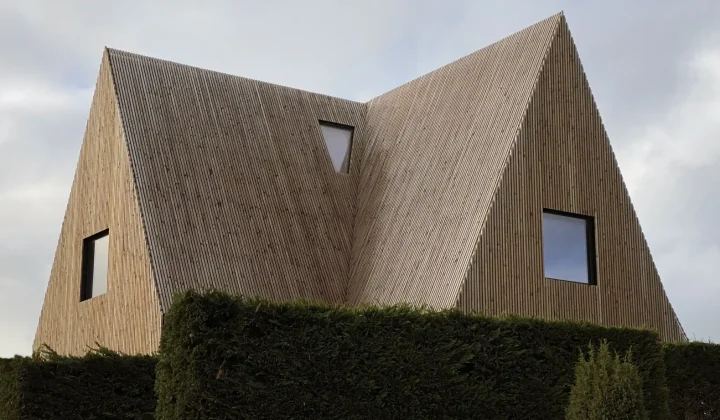
Vantieghem Talebi’s ‘House of Cards’ Brings Timber Geometry to Belgian Family Home
A new family house in Belgium by US- and Swiss-based practice Vantieghem Talebi uses a steeply pitched, card-house-inspired form clad in Douglas-fir…
Read moreRelated wiki

Adaptive Reuse in Architecture
Reference page for reuse, retrofit, conversion, embodied carbon and design constraints.
Read more