ArchDaily Explores “Architectures of Movement” in July Editorial Focus
ArchDaily dedicates its July editorial theme to "Architectures of Movement: Land, Borders, and the Politics of Belonging," examining how mobility challenges traditional notions of territory, ownership, and identity in design and urbanism.
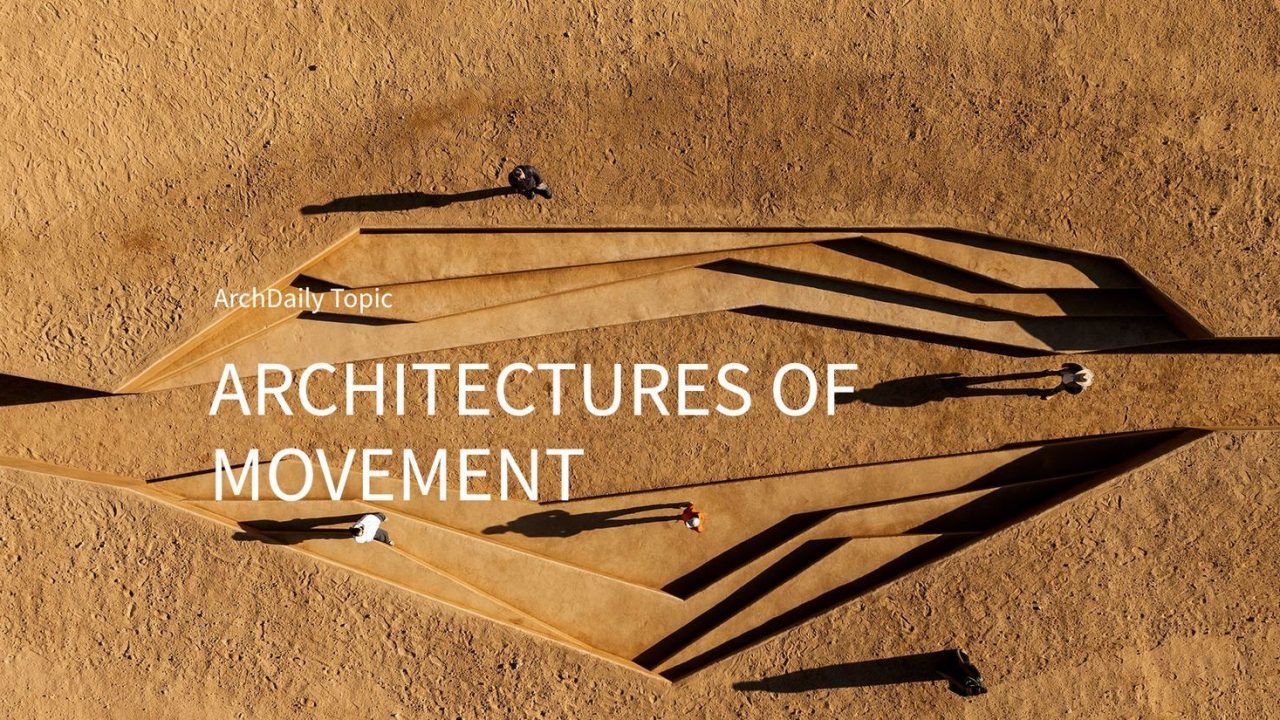

ArchDaily has announced its July editorial focus, centering on the theme “Architectures of Movement: Land, Borders, and the Politics of Belonging.” This initiative aims to re-examine the fundamental relationship between architecture and concepts of territory, ownership, and identity in an era defined by increasing mobility.
The editorial theme positions movement not as a problem to be managed, but as a critical lens through which to understand the evolving roles of buildings, cities, and borders. It will investigate who these spaces accommodate and exclude, and what elements are rendered permanent.
Por que importa
Key Areas of Exploration
The July coverage will approach the theme from a variety of perspectives. Border architecture, for instance, will be analyzed not merely as infrastructure but as a tool of control, encompassing elements like walls, checkpoints, and screening facilities that physically manifest political decisions.
The impact of mass tourism on major cities such as Barcelona, Rome, and Venice will also be a point of discussion. This angle explores questions of who holds privilege in urban spaces when they become transient commodities.
Furthermore, the theme will look at pilgrimage routes across India, highlighting seasonal architectures of immense scale that are designed to accommodate movement as a sacred act. In parallel, co-living spaces and desert settlements will be examined for their potential to redefine belonging when transience is a given condition rather than an anomaly.
Underlying these discussions is a deeper inquiry into land ownership, the right of return, and how architectural responses inherently favor certain groups over others. The intersection of climate displacement, indigenous sovereignty, and the global housing crisis underscores the highly contested nature of belonging and its profound implications for spatial practice.
The editorial will pose critical questions: Can architecture effectively create space for individuals who may not remain? And for those who are unable to leave due to poverty, conflict, or closed borders, what responsibilities does the built environment have towards them?
This thematic exploration is part of ArchDaily’s ongoing series of in-depth looks at significant topics within the field of architecture. Through articles, interviews, news, and project features, ArchDaily aims to provide a comprehensive understanding of these critical issues.
Key facts
| Aspect | Details |
|---|---|
| Editorial Theme | Architectures of Movement: Land, Borders, and the Politics of Belonging |
| Publication | ArchDaily |
| Month | July 2026 |
| Focus Areas | Border architecture, mass tourism impact, pilgrimage routes, co-living, land ownership |
| Core Question | How mobility reshapes architecture’s relationship to territory, ownership, and identity |
This development matters to readers of Paionia7 as it highlights a major architectural discourse for July, focusing on themes of mobility, borders, and belonging, which are increasingly relevant to urban planning, housing, and the socio-political dimensions of design globally.
Source: Architectures of Movement: ArchDaily’s July Editorial Focus, https://www.archdaily.com/1042807/architectures-of-movement-archdailys-july-editorial-focus
Source
ArchDaily Original publication: 2026-07-01T08:00:00+00:00
Related news
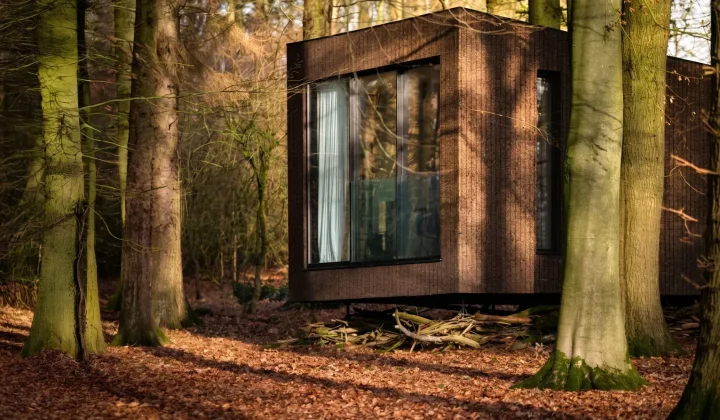
Koto launches Haku, a mobile prefab hotel suite built on a wheeled chassis to bypass UK planning restrictions
UK architecture studio Koto has unveiled Haku, a fully mobile prefabricated suite that legally qualifies as a caravan, allowing landowners and hotel…
Read more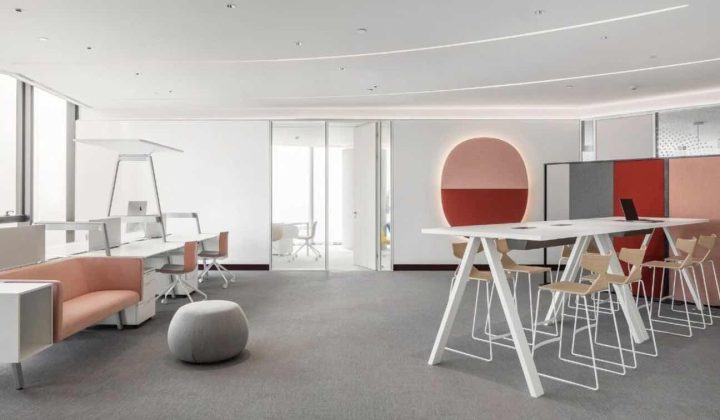
HONG Designworks Completes Private Office in Xi’an That Balances Memory, Materiality, and Long-Term Use
The Xi’an office by HONG Designworks integrates a folded steel staircase, retained furniture from a previous workspace, and a restrained purple-gray palette…
Read more
Handwoven Teak and Cord Outdoor Seating Debuts from Masaya and Abril Zepeda
Nicaraguan furniture brand Masaya has introduced two new handcrafted outdoor chairs — a rocking chair and a lounge chair — designed by…
Read more
Place in Mind: Hendricks Churchill Launches Hospitality Group to Revive Historic Properties
The architecture and interior design studio Hendricks Churchill has launched Place in Mind, a new hospitality group focused on acquiring, restoring, and…
Read moreRelated wiki

Adaptive Reuse in Architecture
Reference page for reuse, retrofit, conversion, embodied carbon and design constraints.
Read more