
Four Seasons Hotel Kyoto Marks a Decade of Atmospheric Luxury Centered on Historic Garden
Ten years after opening, the Four Seasons Hotel Kyoto continues to draw guests with its unique blend of modern luxury and traditional Japanese aesthetics, anchored by an 800-year-old pond garden.
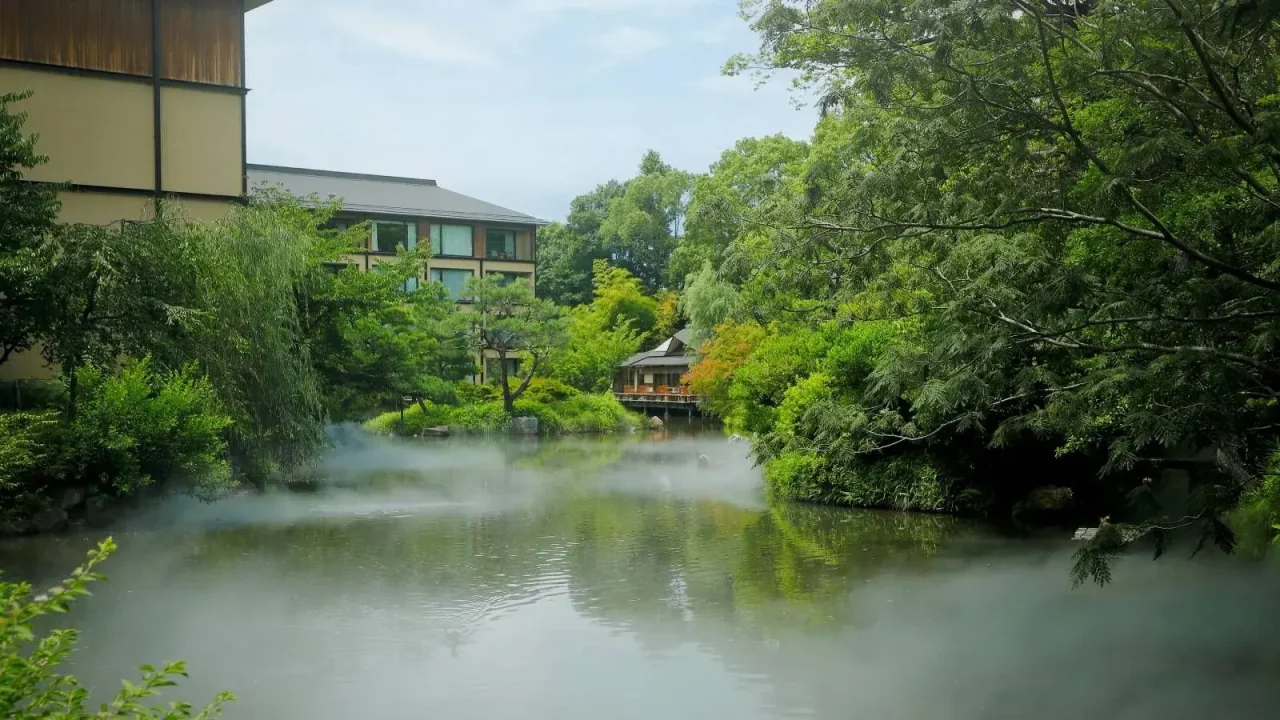
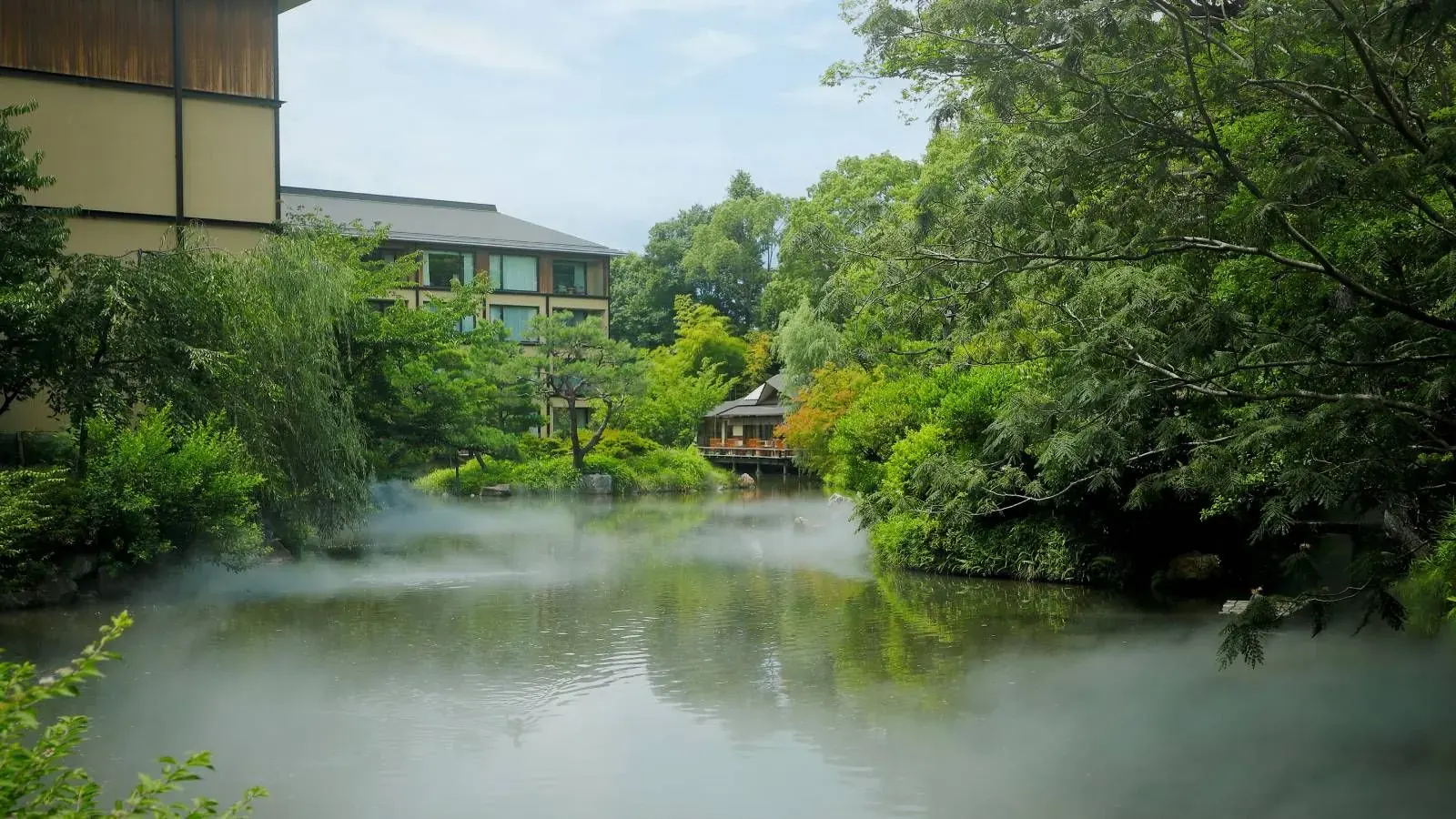
Ten years on, the Four Seasons Hotel Kyoto stands as a testament to atmospheric luxury, seamlessly blending contemporary design with the rich cultural heritage of Japan’s ancient capital. At the heart of its enduring appeal lies Shakusui-en, an 800-year-old pond garden, which serves as the tranquil centerpiece around which the hotel is meticulously arranged. Located at the foot of Higashiyama Mountain in Kyoto’s historic temple district, the hotel offers an idyllic retreat that invites guests to immerse themselves in both restorative wellness and the city’s profound history.
A Harmonious Blend of Design and Nature
The architectural vision for the Four Seasons Hotel Kyoto was brought to life by Japanese studio Kume Sekkei, while the interiors for guest rooms, public spaces, and the spa were masterfully handled by global interior design firm Hirsch Bedner Associates (HBA). The initial impression of arrival is striking, with a porte-cochère designed by Jun Mitsui & Associates that draws inspiration from traditional Japanese umbrellas. The use of washi paper and glass creates a soft, welcoming threshold between the urban environment and the serene hotel sanctuary.
Inside, HBA’s design emphasizes grandeur and meticulous detail. Quadruple-height ceilings in the dining room, a distinctive leather-clad Hermès rickshaw in a hallway, and furnishings crafted by Hosoo, a Kyoto atelier with roots stretching back to 1688, all contribute to an atmosphere of understated luxury. The hotel’s extensive art collection features notable pieces such as “Seven Stones” by Tokyo-born sculptor Todo, crafted from rocks gathered from the pond garden, and “Zen” by Ofune Makoto, a striking blue artwork inspired by the surrounding temple district and Kyoto’s meditative essence.
Guest accommodations are designed with the Japanese concept of “kutsurogi,” or relaxation, in mind. Rooms and suites offer direct views of either the city or the cherished garden. Even the more modern spaces are imbued with Kyoto’s spirit through the thoughtful use of washi-paper lighting, soft screens, warm wood tones, and a calm, restrained color palette. The garden-facing rooms are particularly sought after, offering the experience of waking up to the serene beauty of Shakusui-en. For extended stays or families, the residential suites provide apartment-like space and privacy combined with the hotel’s impeccable service.
An Oasis of Wellness and Culinary Delights
The hotel’s commitment to guest well-being extends to its expansive spa, one of Kyoto’s largest wellness areas. It features a 20-meter indoor pool, traditional Japanese ofuro baths, sauna, steam room, whirlpool, a relaxation lounge, and a 24-hour fitness center. The spa menu offers treatments inspired by Kyoto’s traditions and seasonal ingredients, including the “Heian Tradition” ceremony utilizing matcha, bamboo charcoal salt, and sake baths, and the “Zen Ceremony” focusing on full-body massage and hot towels. Specialized treatments for jet lag and detoxification are also available, alongside facials from esteemed brands like Sodashi, Kotoshina, Biologique Recherche, and Tatcha.
Culinary experiences are equally refined. The Fuju Lounge, designed by Yamamoto Atelier and situated within the garden, serves as a tranquil spot for meditative tea ceremonies by day. As evening approaches, it transforms into a sophisticated bar offering fine sakes, including a house-exclusive blend, and premium Champagne. Dining options include Sushi Ginza Onodera Sushi, a 10-seater restaurant serving Edo-style sushi by chef Takuya Kubo, and Kyoto Grill, a brasserie offering breakfast, afternoon tea, and dinner, with signatures like charcoal-grilled meats and dry-aged cuts.
Location and Enduring Appeal
Nestled in the Higashiyama district, the hotel is perfectly positioned to explore one of Kyoto’s most atmospheric neighborhoods, known for its narrow alleyways, traditional machiya houses, temples, shrines, and artisanal shops. While Kyoto Station is a convenient ten-minute journey away, and major cultural sites like the Kyoto National Museum and Kiyomizu-dera temple are within easy reach, the hotel itself possesses a unique charm that often encourages guests to linger. The presence of the garden, the tea house, the koi pond terrace, and even weekly maiko (apprentice geisha) performances in the lobby contribute to a sense of temporal slowing, making departure a conscious decision rather than an inevitability.
The Four Seasons Hotel Kyoto’s success over the past decade lies in its profound understanding that the garden is not merely a backdrop but the defining element of the guest experience. The elegant rooms, robust culinary offerings, and genuinely rewarding spa services are all enhanced by the hotel’s unparalleled connection to Shakusui-en. The koi swimming in the pond, the seasonal blossoms, the glass bridge arching over ancient stonework, and the tea house offering views back to the 12th century collectively create an environment where Kyoto’s beauty and history are experienced with remarkable immediacy and depth.
Key facts
| Feature | Detail |
|—|—|
| Hotel Name | Four Seasons Hotel Kyoto |
| Anniversary | 10 years |
| Central Feature | 800-year-old Shakusui-en pond garden |
| Location | Higashiyama District, Kyoto, Japan |
| Architectural Design | Kume Sekkei |
| Interior Design | Hirsch Bedner Associates (HBA) |
For readers of Paionia7, the Four Seasons Hotel Kyoto exemplifies how modern hospitality design can deeply engage with and preserve historical context. It showcases a successful integration of contemporary architectural and interior design principles with a significant cultural and natural asset, offering a benchmark for how luxury accommodations can become custodians of heritage while providing exceptional guest experiences. The hotel’s approach highlights the potential for architecture to create spaces that are not only functional and aesthetically pleasing but also deeply resonant with their historical and environmental surroundings.
Source: Wallpaper – Ten years on, Four Seasons Kyoto remains one of the city’s most atmospheric hotels – https://www.wallpaper.com/travel/hotels/four-seasons-hotel-kyoto-review
Datos clave
| Punto | Detalle |
|---|---|
| Fuente | Wallpaper |
| Fecha | 2026-07-02T21:08:01+00:00 |
| Tema | Ten years on, Four Seasons Kyoto remains one of the city’s most atmospheric hotels |
Source
Wallpaper Original publication: 2026-07-02T21:08:01+00:00
Related news
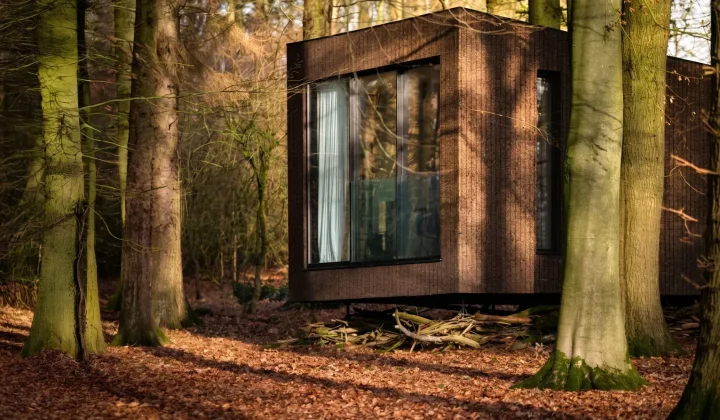
Koto launches Haku, a mobile prefab hotel suite built on a wheeled chassis to bypass UK planning restrictions
UK architecture studio Koto has unveiled Haku, a fully mobile prefabricated suite that legally qualifies as a caravan, allowing landowners and hotel…
Read more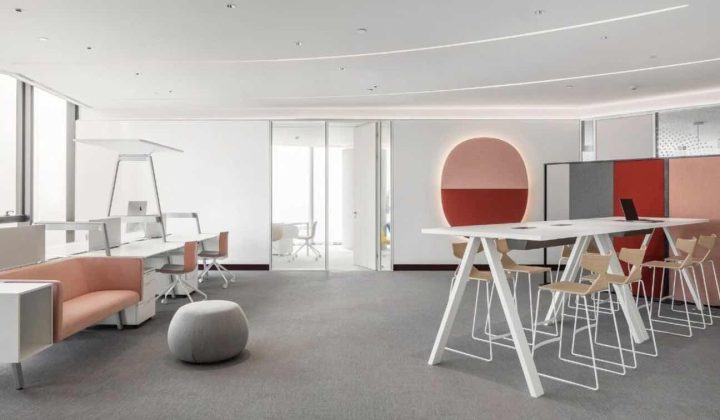
HONG Designworks Completes Private Office in Xi’an That Balances Memory, Materiality, and Long-Term Use
The Xi’an office by HONG Designworks integrates a folded steel staircase, retained furniture from a previous workspace, and a restrained purple-gray palette…
Read more
Handwoven Teak and Cord Outdoor Seating Debuts from Masaya and Abril Zepeda
Nicaraguan furniture brand Masaya has introduced two new handcrafted outdoor chairs — a rocking chair and a lounge chair — designed by…
Read more
Place in Mind: Hendricks Churchill Launches Hospitality Group to Revive Historic Properties
The architecture and interior design studio Hendricks Churchill has launched Place in Mind, a new hospitality group focused on acquiring, restoring, and…
Read moreRelated wiki

Adaptive Reuse in Architecture
Reference page for reuse, retrofit, conversion, embodied carbon and design constraints.
Read more