World Monuments Fund Highlights Ten U.S. Historic Sites Facing Preservation Crisis
The World Monuments Fund's "Irreplaceable America" list spotlights ten significant U.S. heritage sites, from Dallas City Hall to Black Mountain College, urgently needing preservation efforts due to threats like climate change and funding shortages.
The World Monuments Fund (WMF) has released its “Irreplaceable America” list, identifying ten historic sites across the United States that are at high risk and in urgent need of preservation. The announcement coincides with America’s semiquincentennial, drawing attention to the nation’s heritage and the challenges it faces.
The list showcases a diverse range of sites, from architectural landmarks to places of significant cultural and historical importance. These locations, stretching from New York to California, are grappling with threats such as rising sea levels, dwindling financial resources, and general neglect.
Key Sites on the List
Among the ten sites highlighted are:
Smallpox Hospital Ruin, Roosevelt Island, New York City: This 19th-century hospital, designed by James Renwick, Jr., was the first clinic dedicated to treating epidemic diseases. It has suffered from years of abandonment and neglect.
Bartram’s Garden, Philadelphia: As the oldest surviving botanical garden in the U.S., Bartram’s Garden is anticipating a significant increase in visitors. However, it faces mounting pressures from climate change and development.
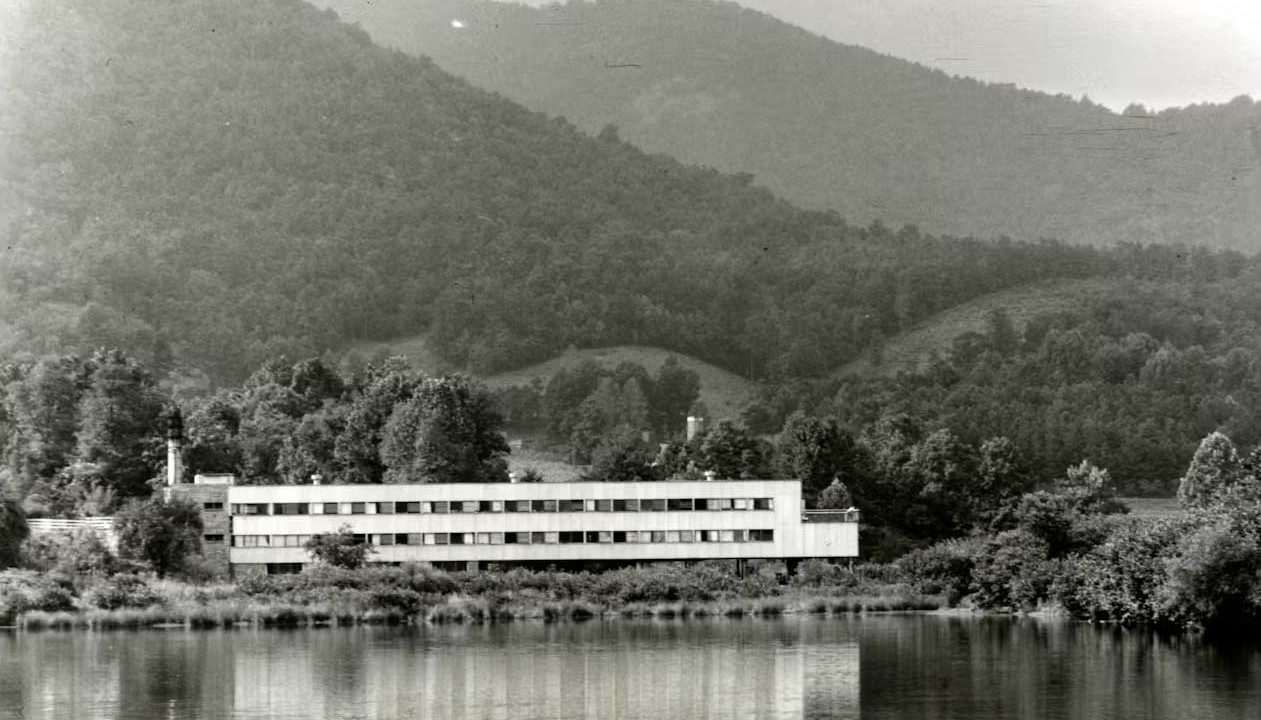
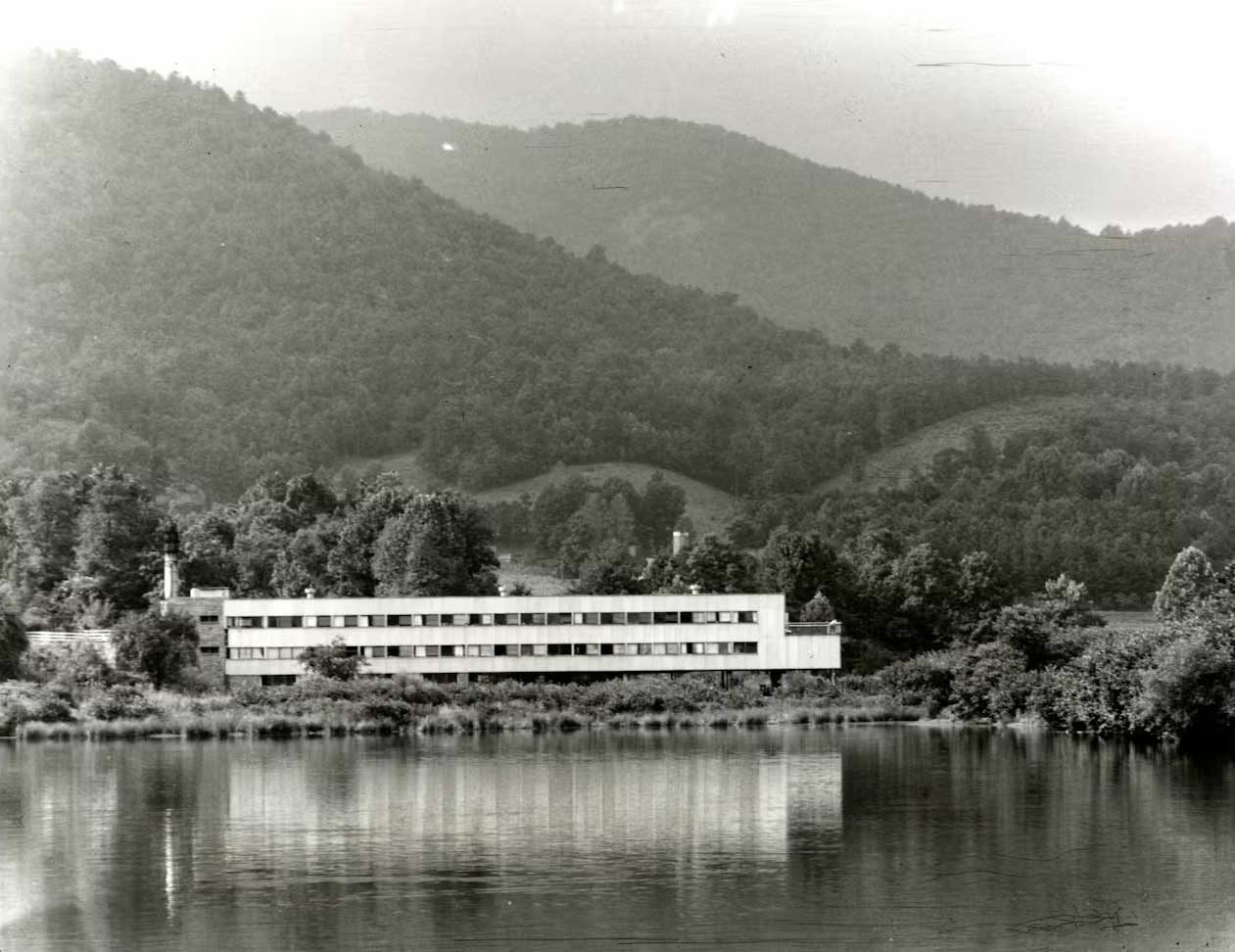
Black Mountain College Studies Building, Black Mountain, North Carolina: This site, which hosted professors fleeing Nazi Germany including Anni and Josef Albers after the Bauhaus closure, is now threatened by rising water levels and general wear and tear.
African Meeting House, Boston: This historic structure, an important center for the abolitionist movement, is the oldest surviving Black-founded church in the U.S. The WMF noted that “shifting interpretation policy,” similar to trends seen at the Smithsonian Institution, could jeopardize its landmark status.
City of New Orleans, Louisiana: The entire city of New Orleans has been placed on the list due to its vulnerability to climate dangers and population loss, consequences of global warming. Its rich heritage is a blend of Indigenous, African, European, and Caribbean influences.
Colonial Homes of Newport, Rhode Island: The well-known saltbox houses and mansions of Newport are under threat from rising sea levels, necessitating immediate preservation efforts.
Dallas City Hall, Dallas, Texas: This significant example of civic architecture, designed by I. M. Pei, has been a subject of preservation battles, as previously reported by AN. It is now facing threats from ongoing development.
Mission Churches of Acoma and Laguna Pueblos, New Mexico: These mission churches, built by Pueblo communities following Spanish conquests, are experiencing funding shortfalls and a decline in traditional preservation knowledge.
Watts Towers, Los Angeles: Created by Simon Rodia over three decades, these iconic Los Angeles landmarks are endangered by environmental stress, seismic risks, and dwindling resources.
Wright Brothers Sites, Dayton, Ohio: The locations where the Wright brothers pioneered flight are managed by the National Park Service, which has faced significant funding and staff cuts, putting these historic sites at risk.
WMF’s Recognition of the National Park Service
In addition to naming specific sites, the WMF extended special recognition to the National Park Service. The organization, which stewards over 430 sites across the U.S., has been impacted by recent defunding and staff reductions, which in turn affect the preservation of the sites under its care.
Selection Criteria and Jurors
The “Irreplaceable America” list was curated from 75 submissions, with the selection based on the urgency of the preservation need and the historic value of each site. The WMF stated that the chosen sites reflect “both the breadth of American history and the range of preservation challenges these places face.”
The jury that presided over the selection included prominent figures in architecture and preservation: Charles A. Birnbaum of The Cultural Landscape Foundation; architecture professors Charles L. Davis (University of Texas at Austin) and Francisco Uviña‑Contreras (University of New Mexico); architecture critic Paul Goldberger; and Elizabeth MacMillan from the National Museum of American History.
A Call for Preservation
Bénédicte de Montlaur, WMF President and CEO, emphasized the importance of heritage in a statement: “The United States was built by people from every corner of the globe, shaped by Indigenous nations, early settlers, immigrant communities, and generations of cultural exchange.” She added, “As the nation approaches its 250th anniversary, Irreplaceable America is a call to protect the places that reflect the richness of that history, and the role heritage plays in education, community memory, and civic life.”
The WMF’s initiative underscores the critical need for ongoing investment and attention to safeguard these irreplaceable pieces of American history and architectural significance for future generations.
Key facts
Site Name | Location | Primary Threat
Smallpox Hospital Ruin | New York City | Neglect
Black Mountain College Studies Building | North Carolina | Rising water levels
Dallas City Hall | Texas | Development pressures
Watts Towers | Los Angeles | Environmental stress, seismic risk
Source: The Architect’s Newspaper, https://www.archpaper.com/2026/07/world-monuments-fund-irreplaceable-america-list/
Datos clave
| Punto | Detalle |
|---|---|
| Fuente | The Architect's Newspaper |
| Fecha | 2026-07-02T20:00:10+00:00 |
| Tema | World Monuments Fund names Dallas City Hall, Black Mountain College, Boston’s African Meeting House, and other historic |
Source
The Architect's Newspaper Original publication: 2026-07-02T20:00:10+00:00
Related news
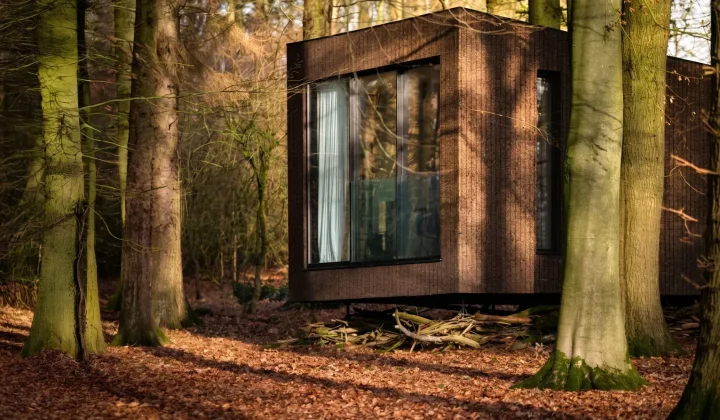
Koto launches Haku, a mobile prefab hotel suite built on a wheeled chassis to bypass UK planning restrictions
UK architecture studio Koto has unveiled Haku, a fully mobile prefabricated suite that legally qualifies as a caravan, allowing landowners and hotel…
Read more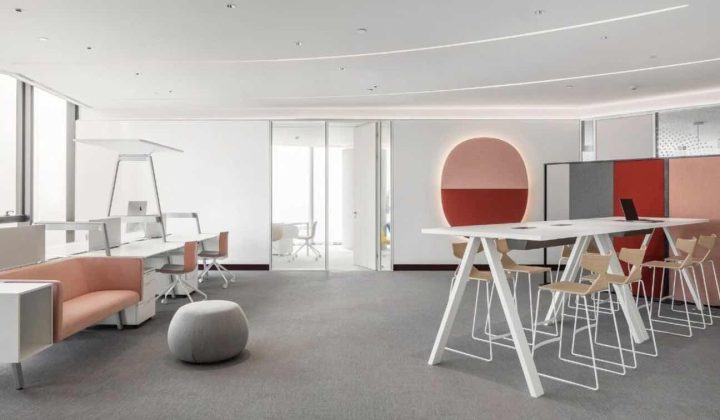
HONG Designworks Completes Private Office in Xi’an That Balances Memory, Materiality, and Long-Term Use
The Xi’an office by HONG Designworks integrates a folded steel staircase, retained furniture from a previous workspace, and a restrained purple-gray palette…
Read more
Handwoven Teak and Cord Outdoor Seating Debuts from Masaya and Abril Zepeda
Nicaraguan furniture brand Masaya has introduced two new handcrafted outdoor chairs — a rocking chair and a lounge chair — designed by…
Read more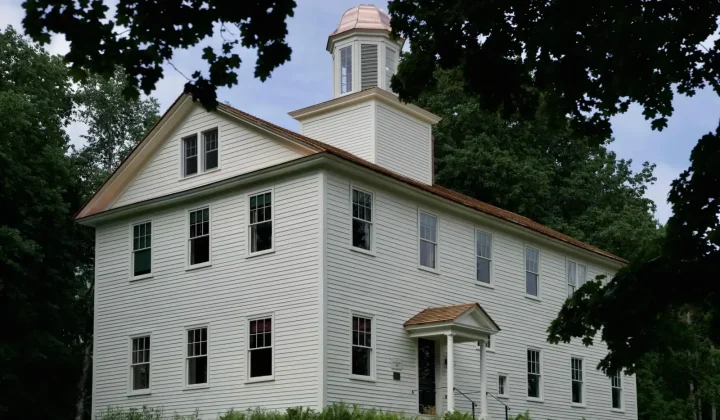
Place in Mind: Hendricks Churchill Launches Hospitality Group to Revive Historic Properties
The architecture and interior design studio Hendricks Churchill has launched Place in Mind, a new hospitality group focused on acquiring, restoring, and…
Read moreRelated wiki

Adaptive Reuse in Architecture
Reference page for reuse, retrofit, conversion, embodied carbon and design constraints.
Read more