
Snøhetta Unveils Prairie-Roofed Theodore Roosevelt Presidential Library in North Dakota Badlands
The newly opened Theodore Roosevelt Presidential Library by Snøhetta integrates seamlessly with the North Dakota landscape, featuring a living prairie roof and sustainable design principles.
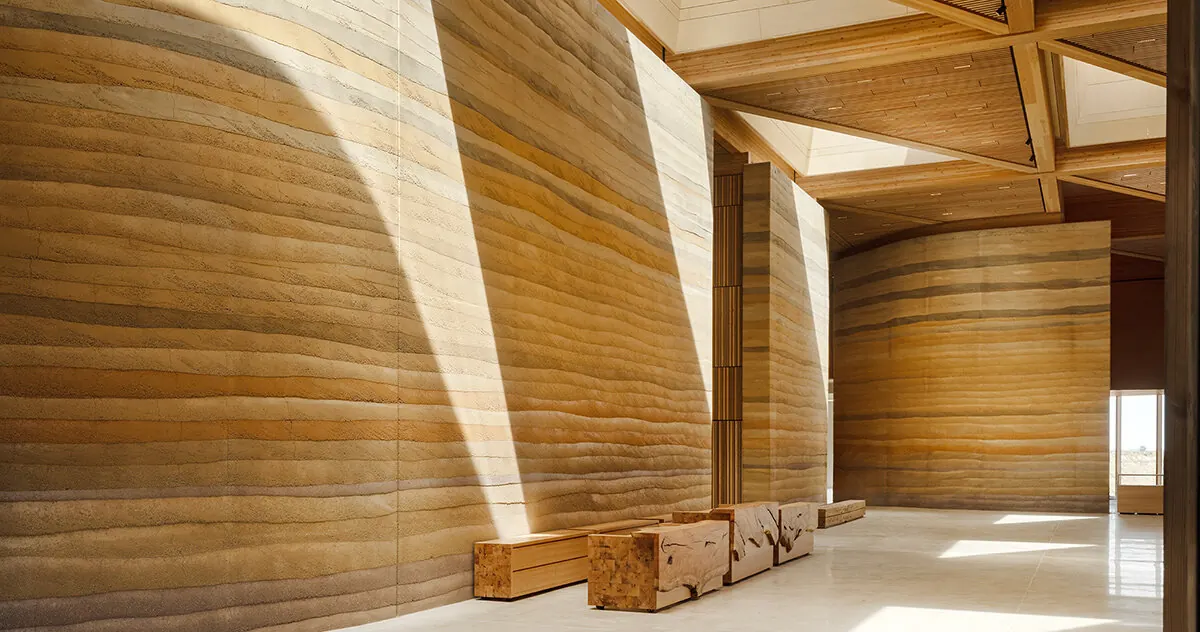
Theodore Roosevelt Presidential Library Opens with Living Prairie Roof
Snøhetta has completed the Theodore Roosevelt Presidential Library in the Badlands of North Dakota, a structure designed to blend with its environment and honor the legacy of President Theodore Roosevelt’s conservation efforts. Opening on July 4, 2026, the 95,000-square-foot library is situated adjacent to Theodore Roosevelt National Park, drawing inspiration from the rugged terrain and the president’s profound connection to the American West.
A Landscape Integrated Design
The library’s design principle, “The Library is the Landscape,” guided Snøhetta’s approach to architecture, landscape, and interior design. The building emerges from a butte, topped by an expansive 121,000-square-foot living prairie roof that mirrors the surrounding Badlands. This integration aims to immerse visitors in the same landscape that shaped Roosevelt’s conservationist ethos. A nearly mile-long elevated boardwalk winds through the restored site, offering shifting perspectives of the Badlands and bringing visitors closer to the natural environment. Outdoor classrooms, reflective spaces, and a suspended netted overlook extend the experience into the open air.
Honoring a Conservationist President
Theodore Roosevelt’s deep connection with the Dakota Territory in the 1880s, where he engaged in ranching, hunting, and writing, significantly influenced his presidency. His administration protected approximately 230 million acres of public land and established numerous national forests and wildlife refuges, solidifying the principle of conservation as a national responsibility. The library serves as a tribute to this legacy, intended to educate visitors about Roosevelt’s story through the lens of the land that inspired him.
Sustainable Construction and Materials
The library’s construction emphasizes sustainable practices and local materials. The structure incorporates mass timber, rammed earth walls made with locally sourced soil that reflect the colors of the Badlands formations, and reclaimed regional wood. Low-carbon concrete is also utilized. The design prioritizes assemblies that are detailed for disassembly and long-term use, with a commitment to eliminating harmful Red List chemicals, aligning with the project’s Living Building Challenge goals.
A Unique Approach to Access
Significantly, the Theodore Roosevelt Presidential Library is the first presidential library accessible by hiking trail, mountain bike, and horseback, in addition to vehicular access. This multi-modal approach to arrival encourages visitors to experience the journey across the prairie as an integral part of the architectural and educational experience, echoing Roosevelt’s own connection to the land.
Interior Experience and Educational Mission
Inside, the library’s layout loosely follows Roosevelt’s life journey, moving through darker passages and sunlit rooms. Large windows frame historically significant landscapes, including views toward Elkhorn Ranch, while skylights draw natural light deep into the galleries. The facility includes climate-controlled galleries, digital collection infrastructure, and an auditorium designed to host events like presidential debates. The design maintains a connection to the exterior, with views toward the horizon and weather, rather than creating a fully enclosed archive.
Ecological Restoration and Certification
Site restoration is a key component of the library’s operation. The project is pursuing full Living Building certification, alongside high levels of LEED and SITES certification, under a “Four Zeros” framework targeting zero energy, zero water, zero emissions, and zero waste. The Native Plant Project, a collaboration with Resource Environmental Solutions and North Dakota State University, has cultivated over 200 native plant species for the living roof and restored grounds. Snøhetta envisions visitors as “participants in an evolving ecosystem,” with public programs potentially including grazing, haying, and controlled burns for land management.
Upon certification, the Theodore Roosevelt Presidential Library will be the first Living Certified presidential library and the largest Living Certified cultural institution globally. This ambition in its remote setting underscores the potential for cultural architecture to engage deeply with its environment and ecological timeframes.
Key facts
| Feature | Detail |
|---|---|
| Location | Medora, North Dakota |
| Architect | Snøhetta |
| Size | 95,000 square feet (building), 121,000 square feet (living roof) |
| Key Features | Living prairie roof, mass timber structure, rammed earth walls, elevated boardwalk, sustainable certifications |
| Opening Date | July 4, 2026 |
This development matters for Paionia7 readers as it showcases a leading architectural firm’s innovative approach to integrating significant cultural institutions with challenging natural landscapes. The emphasis on sustainable design, material innovation, and ecological restoration offers valuable insights into the future of museum and library architecture, particularly in preserving and celebrating historically significant environments.
Source: Designboom – https://www.designboom.com/architecture/snohetta-prairie-roof-roosevelt-library-theodore-roosevelt-badlands/
Source
Designboom Original publication: 2026-07-03T15:08:14+00:00
Related news
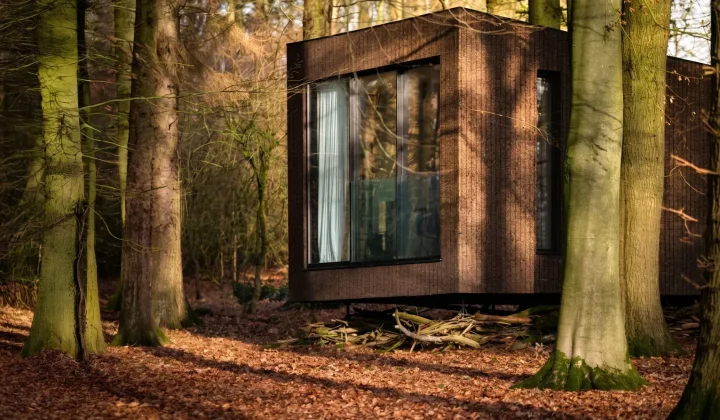
Koto launches Haku, a mobile prefab hotel suite built on a wheeled chassis to bypass UK planning restrictions
UK architecture studio Koto has unveiled Haku, a fully mobile prefabricated suite that legally qualifies as a caravan, allowing landowners and hotel…
Read more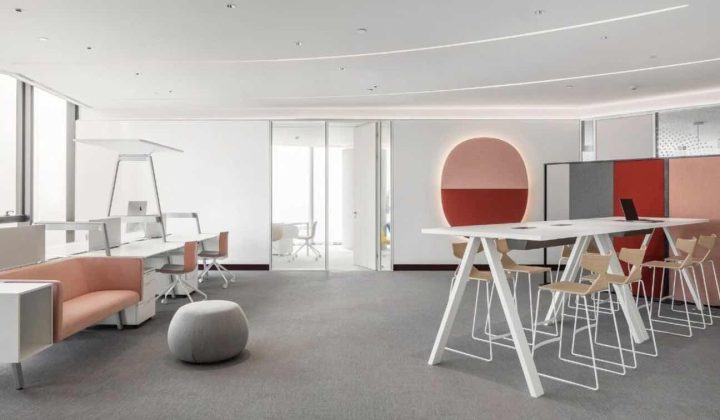
HONG Designworks Completes Private Office in Xi’an That Balances Memory, Materiality, and Long-Term Use
The Xi’an office by HONG Designworks integrates a folded steel staircase, retained furniture from a previous workspace, and a restrained purple-gray palette…
Read more
Handwoven Teak and Cord Outdoor Seating Debuts from Masaya and Abril Zepeda
Nicaraguan furniture brand Masaya has introduced two new handcrafted outdoor chairs — a rocking chair and a lounge chair — designed by…
Read more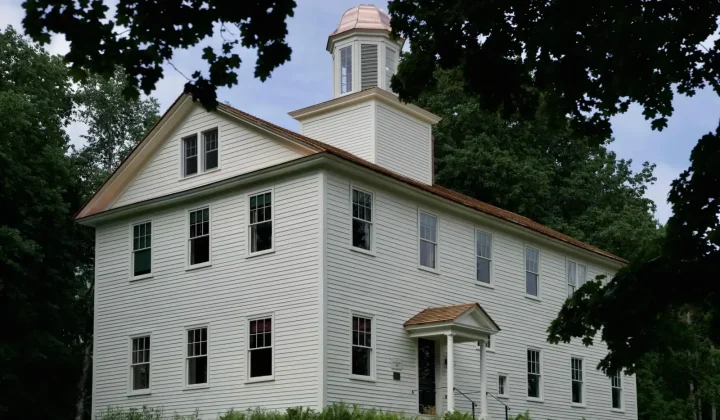
Place in Mind: Hendricks Churchill Launches Hospitality Group to Revive Historic Properties
The architecture and interior design studio Hendricks Churchill has launched Place in Mind, a new hospitality group focused on acquiring, restoring, and…
Read moreRelated wiki

Adaptive Reuse in Architecture
Reference page for reuse, retrofit, conversion, embodied carbon and design constraints.
Read more