Modern Display Walls Elevate Brand Visibility at Events
Contemporary display walls are transforming event marketing strategies by focusing on visual impact to capture attention and enhance brand recognition in competitive trade show environments.
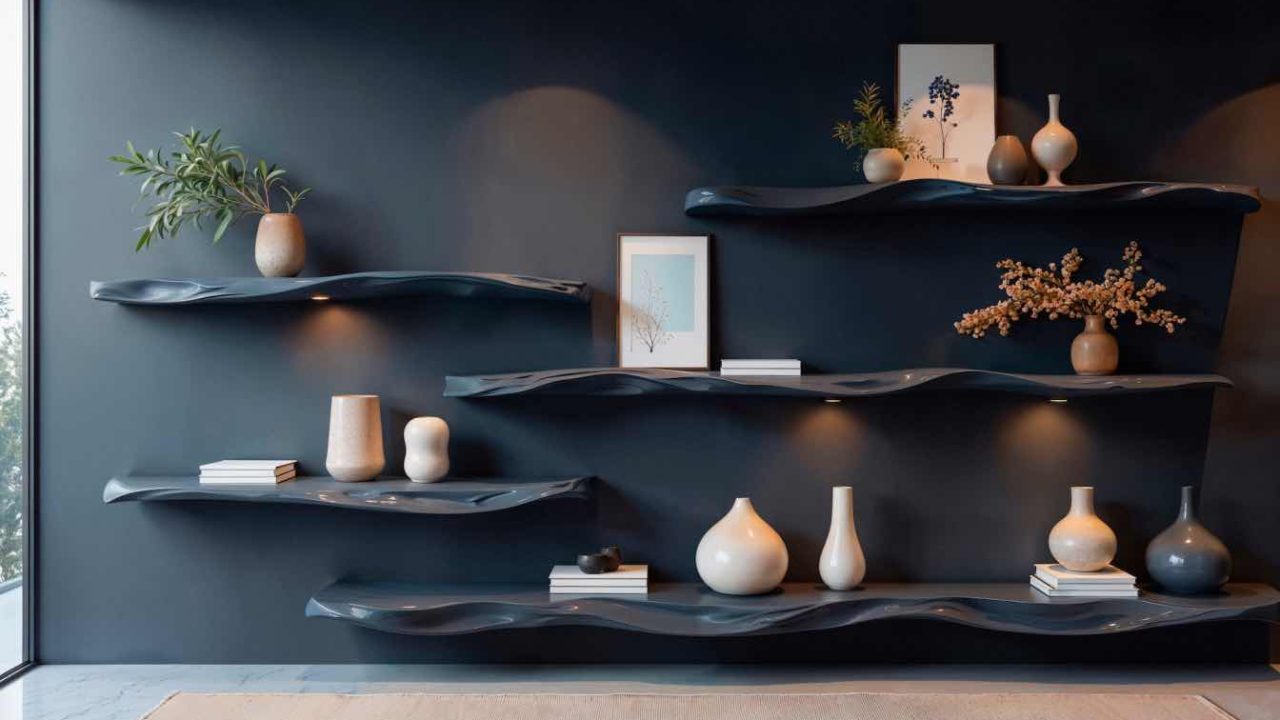
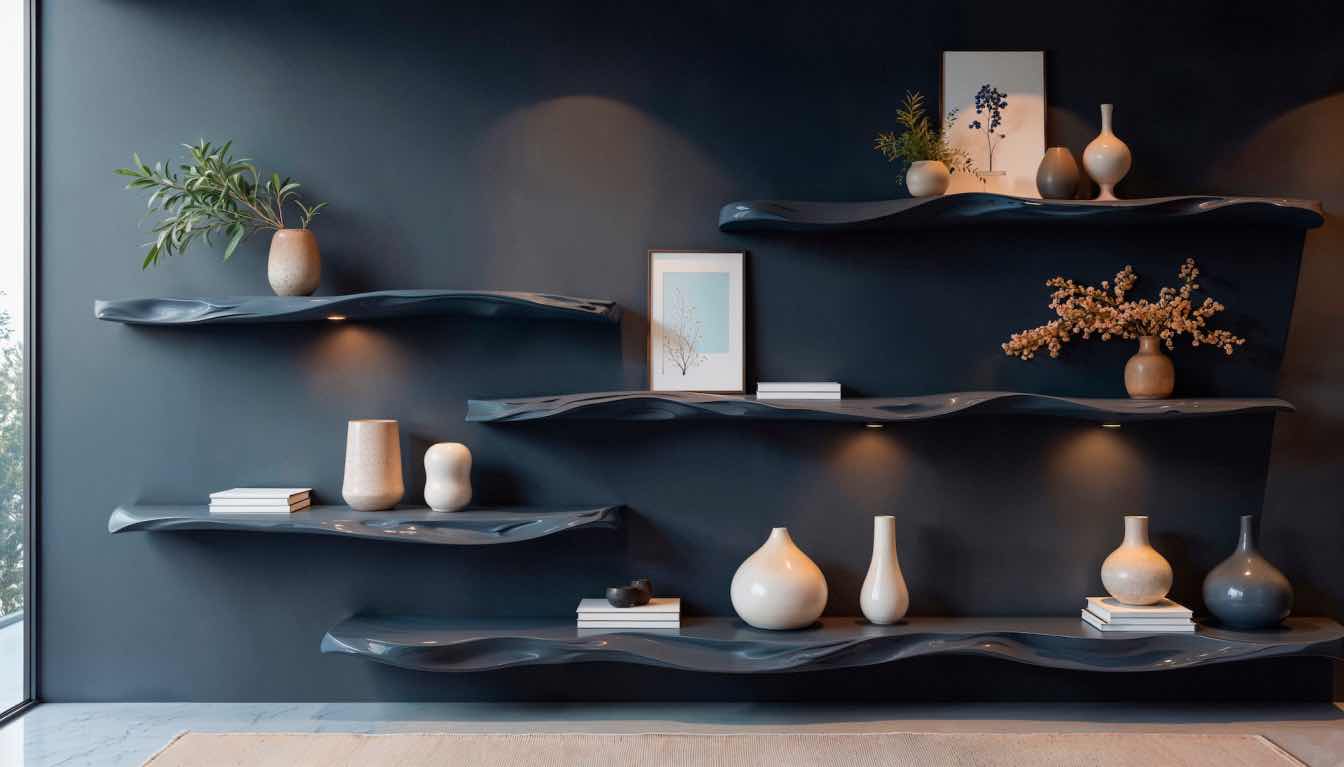
Trade shows present a significant challenge for brands, with hundreds of competitors vying for attention within a single venue. In this environment, the effectiveness of a brand’s presence is increasingly determined by its visual impact rather than the sheer size of its booth. Modern display walls have emerged as a critical component of event marketing, designed to halt visitors, create memorable impressions, and ultimately boost brand visibility. Research indicates that attendees often make a decision to approach a booth within seconds, making strong, immediate visuals paramount.
The Center for Exhibition Industry Research highlights that large booths with weak graphics often underperform compared to smaller spaces with clear branding and compelling displays. Key elements that capture visitor attention include bold logos, clear product imagery, effective lighting, open layouts, and easily readable messaging. Observations from retail expos in Germany and Italy have shown that smaller booths equipped with modern display walls consistently draw more foot traffic than oversized setups cluttered with signs and heavy structures. This enhanced visibility directly translates to faster brand recognition and encourages visitors to engage, explore, and inquire.
Types of Display Walls and Their Impact
Contemporary event spaces utilize a variety of display wall formats, each tailored to specific event goals, floor sizes, and logistical requirements. Among the most widely adopted systems is the SEG (Silicone Edge Graphics) fabric frame. These systems feature silicone-edged graphics that fit snugly into aluminum frames, creating seamless, wrinkle-free visuals without visible borders. Their popularity stems from being lightweight, reusable, and easy to transport, making them a practical choice for exhibitors.
Other popular formats include:
* Backlit fabric lightboxes, which are effective for highlighting specific products.
* Modular wall systems, offering flexibility in booth layout design.
* Pop-up displays, suitable for smaller trade show spaces.
* Double-sided walls, maximizing exposure in open floor plans.
* Hanging fabric structures, designed for large exhibition halls.
Brands such as Samsung, Adidas, and Sony frequently employ illuminated fabric walls at international trade fairs. The use of LED backlighting significantly enhances long-distance visibility, especially in crowded venues.
Modular systems represent another growing trend, allowing event teams to reconfigure booth layouts without investing in entirely new hardware. During an exhibition in Frankfurt, a four-person crew was observed completing a full modular booth setup in under three hours, a stark contrast to the extensive installation teams and longer preparation times typically required for traditional wooden structures. Modern display walls also ensure visual consistency across multiple events, reinforcing brand recall and professional presentation.
Enhancing Visitor Experience and Navigation
Beyond aesthetics, display walls play a crucial role in shaping how visitors navigate and interact within a booth. A well-organized layout guides attendees, indicating where to direct their attention first and how to move through the space. Without clear visual cues, visitors may overlook opportunities. Large fabric walls can delineate product zones while maintaining an open booth atmosphere, improving visitor comfort and reducing congestion during peak hours.
Key benefits of strategic display wall design include:
* Creating clear navigation paths.
* Improving product visibility.
* Reducing visual clutter.
* Supporting efficient communication.
* Encouraging social media sharing through photo-friendly designs.
Backlit walls are particularly effective in halls with inconsistent lighting. Their even light distribution makes logos and product images highly visible from afar, a strategy frequently adopted by electronics and automotive brands. Photo-friendly booth designs, such as branded background walls, encourage attendees to take and share photos online, providing organic advertising. At a retail technology expo in Milan, booths with open fabric layouts were noted to be more welcoming and less restrictive than those with solid wooden partitions, leading to longer visitor stays.
Materials and Durability
Modern display walls prioritize lightweight materials that facilitate easier transport, faster setup, and high-quality printing. Aluminum frames remain a common choice due to their low weight, structural integrity, and resistance to rust and damage from repeated use. Fabric graphics, often made from polyester, offer sharp image detail and smooth color reproduction under LED lighting. Silicone edge graphics ensure a taut, seamless finish within the frames.
Key material and construction features include:
* LED light panels for uniform brightness.
* Foldable connectors for compact storage.
* Scratch-resistant frame coatings.
* Lightweight carrying cases.
* Fire-resistant fabric materials, often a requirement for public events.
According to the Exhibition Services and Contractors Association, many venues mandate fire-rated display materials. Businesses using certified fabric systems can often expedite the event approval process. Observations at technology expos suggest that aluminum fabric systems demonstrate superior durability over multiple transportations and installations compared to older plastic or wooden displays.
Cost-Effectiveness and Flexibility
Modern display wall systems offer a blend of cost savings and improved brand presentation. Lightweight materials reduce shipping expenses and labor costs for installation, as many modular systems can be assembled by small teams. The reusability of frame systems significantly lowers long-term marketing expenditures, with businesses often updating only the printed fabric graphics for new campaigns rather than replacing entire structures.
Advantages for businesses include:
* Faster booth setup times.
* Lower transport costs.
* Enhanced brand consistency.
* Easier storage between events.
* Reusable hardware for multiple campaigns.
Retail and event brands also benefit from increased flexibility. The adaptability of display systems to various booth sizes allows companies to maintain a consistent visual identity across numerous trade shows annually. However, the benefits are contingent on the quality of the chosen system. Low-quality frames may warp during transport, and insufficient fabric tension can lead to visible wrinkles, detracting from the intended visual impact. Issues such as uneven LED lighting and color discrepancies between prints can also arise with inferior products.
Key facts
- Feature: Description
- Primary Benefit: Improved brand visibility and visitor engagement at events.
- Key Technology: SEG fabric frames, modular systems, LED backlighting.
- Materials: Aluminum frames, polyester fabric, silicone edge graphics.
- Advantages: Lightweight, reusable, fast setup, cost-effective, flexible.
These developments signal a shift in event marketing strategies, where sophisticated visual presentation and user experience are paramount. Architects, designers, and event planners who understand these trends can create more impactful and memorable brand experiences. For businesses, investing in modern display walls represents a strategic move toward optimizing their presence in competitive environments, fostering stronger connections with their target audience. The focus is no longer solely on physical space but on the quality and impact of the visual narrative presented.
Source: Amazing Architecture, https://amazingarchitecture.com/articles/how-modern-display-walls-improve-brand-visibility-at-events
Source
Amazing Architecture Original publication: 2026-05-22T01:10:22+00:00
Related news
Scaffolding as Interior Architecture: Adaptable Systems Challenge the Divide Between Temporary and Permanent
A new article by Jonathan Yeung examines how modular scaffolding systems, from steel frames to Dieter Rams’ shelving, demonstrate that longevity in…
Read more
MIV Architects Proposes Wetland Pavilion That Prioritizes Non-Human Habitats Over Human Comfort
The Spanish firm’s “Nidos de Agua” concept for the Albufera natural park in Valencia aims to rebalance the relationship between building and…
Read more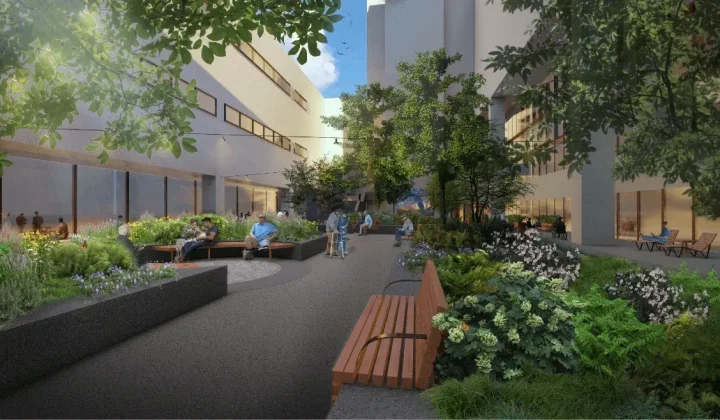
Nelson Byrd Woltz Begins Construction on Restorative Eagle Courtyard at Walter Reed Medical Center
Construction has started on a redesigned Eagle Courtyard at Walter Reed National Military Medical Center, led by Nelson Byrd Woltz Landscape Architects.…
Read more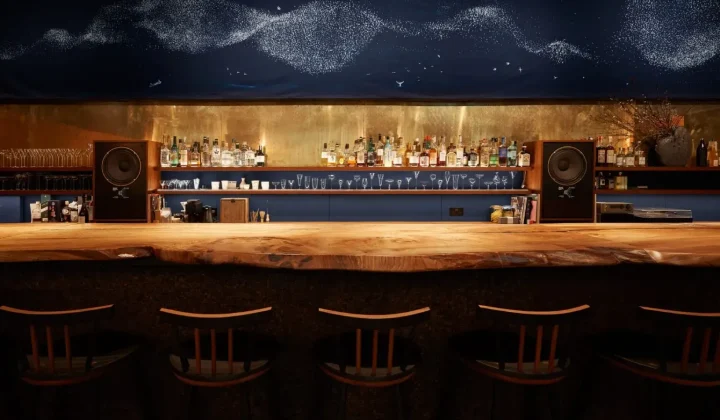
London’s listening bar boom reflects a deeper shift in hospitality design and music culture
A wave of Japanese-inspired listening bars is reshaping London’s nightlife, but owners and critics are asking whether the concept can survive commercial…
Read moreRelated wiki
Adaptive Reuse in Architecture
Reference page for reuse, retrofit, conversion, embodied carbon and design constraints.
Read more