
Architectural Renders Achieve Realism Through Photo-to-3D Conversion
A freelance architectural visualizer shares how capturing and converting actual furniture pieces with image-to-3D technology solved a critical realism gap in marketing renders.
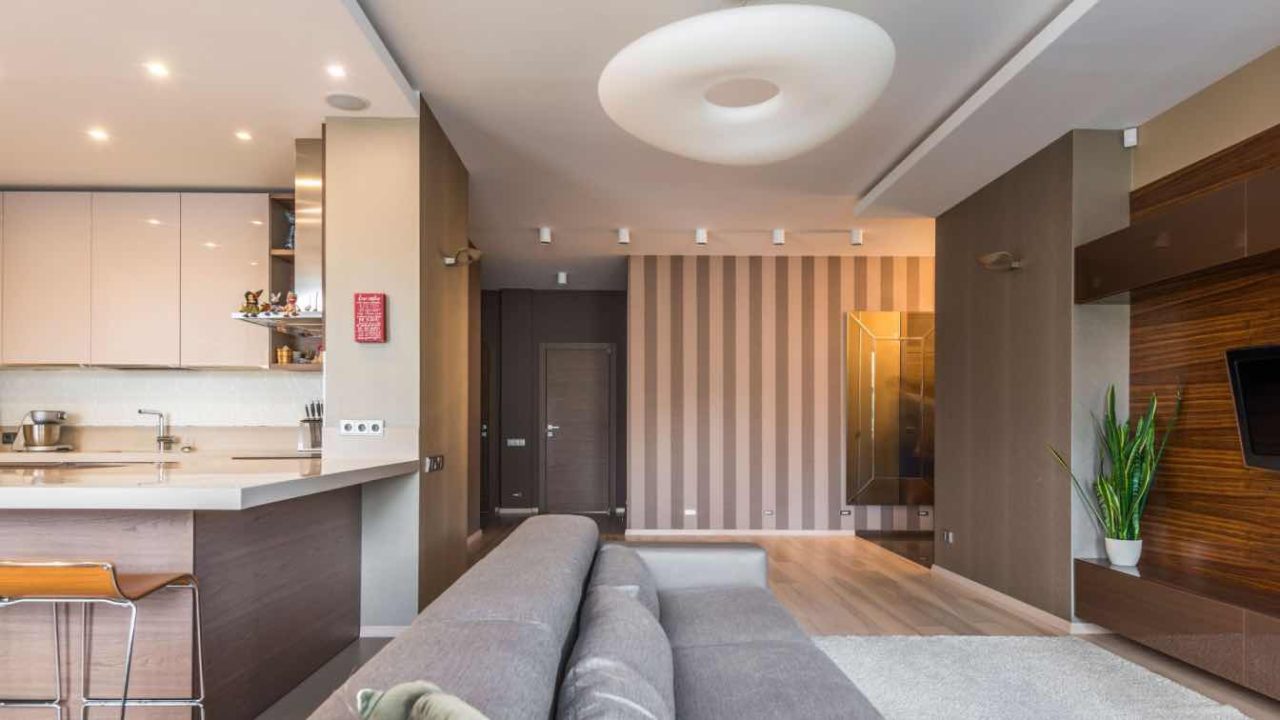
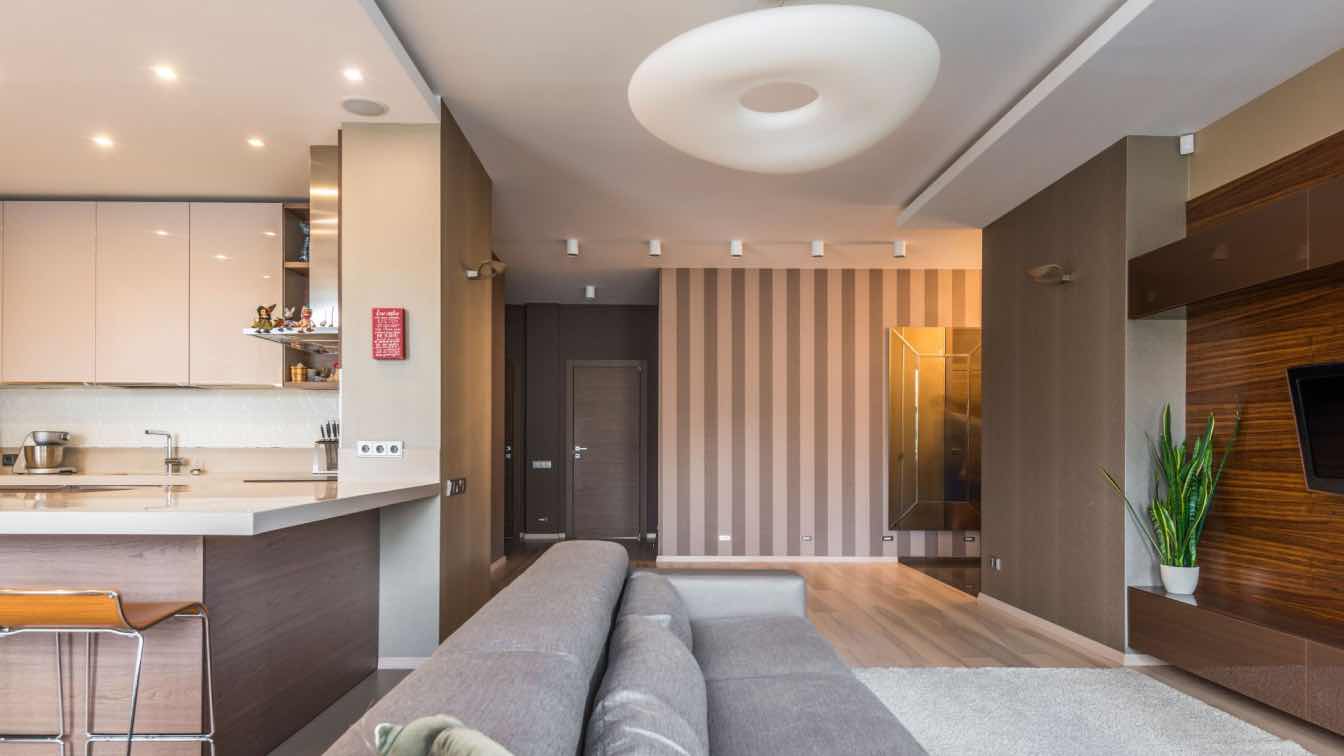
A common challenge in architectural visualization—achieving perfect alignment between marketing renders and a furnished show apartment—was recently overcome through a pragmatic application of photo-to-3D conversion technology. The experience highlights how capturing real-world objects can drastically improve render accuracy and streamline the visualization process.
Project in Porto
In February 2025, a developer in Porto commissioned nine marketing renders for a fourteen-unit infill building. The project, located off Rua de Cedofeita, presented a standard brief for freelance architectural visualizer Liliana Alvarez. However, a unique complication arose: the show apartment, unit 7B, was already furnished with specific, high-end pieces. Alvarez’s initial draft renders, which utilized generic 3D assets, failed to match the actual apartment’s decor, leading to client inquiries and potentially undermining the sales pitch.
The Problem of Mismatched Assets
The core issue was the discrepancy between the placeholder furniture in the draft renders and the carefully selected, often custom-made, pieces in the real show apartment. These included a 1970s travertine coffee table, a custom-ordered boucle sofa, and cognac leather armchairs sourced from various locations. The developer’s sales team had already photographed the actual apartment for marketing materials, creating a direct comparison for potential buyers. This led to direct questions from potential buyers, as evidenced by a brief but pointed email from the sales director, Nuno, asking why the render furniture did not match the physical space. The renders were, in effect, contradicting the building’s promise of offering units that felt as unique and well-appointed as the show flat.
A Practical Solution
Alvarez’s solution involved photographing the eleven key furniture pieces in the show apartment. Using her phone and a checklist, she captured multiple angles of each item under natural daylight. This process, which took approximately forty minutes, provided the necessary reference material. The photographs were then processed using an image-to-3D conversion tool, generating textured OBJ meshes of the furniture. This approach proved significantly faster and more accurate than traditional methods of searching for or modeling similar assets.
Integrating Real-World Objects into Renders
The converted 3D meshes were imported into 3ds Max and scaled using laser measurements taken at the apartment. While most meshes were used with minimal alteration, some required adjustments. The boucle sofa was accurately represented at its 242-centimeter length, and the travertine table at its 41-centimeter height. The veining on the travertine was also correctly rendered, a detail that had been problematic with generic assets. Some material adjustments were needed for the leather armchairs, and the chrome legs of a floor lamp were remodelled from scratch, as thin reflective elements can be challenging for automated conversion. However, nine out of the eleven pieces were integrated with their original meshes, and only one required a reshoot due to a fused weave in a rattan magazine rack.
Impact on Sales and Future Projects
The revised renders, featuring the actual furniture from unit 7B, were delivered on March 14th. By accurately reflecting the show apartment’s ambiance, the marketing materials now presented a consistent message. By June, nine of the fourteen units were reserved off-plan. While acknowledging that market conditions played a significant role, Alvarez noted that the elimination of discrepancies in the marketing materials likely contributed to a smoother sales process, preventing further queries about mismatched furniture. The agency subsequently commissioned Alvarez for their next project in Matosinhos.
A New Workflow
This experience has informed Alvarez’s workflow for subsequent projects. She now prioritizes photographing stager-installed furniture early in the process, even before sales teams actively use the space for photography. In some instances, she has used the image-to-3D process on listing photos alone, allowing stagers to visualize how pieces will appear on camera before committing to purchases. This integration of photography and 3D conversion has not only saved time and cost but has also positioned her rendering pipeline as a pre-purchase evaluation tool for clients and stagers, effectively preventing costly mistakes. While libraries of common assets are still used for background elements, the hero furniture pieces are now consistently captured from reality, bridging the gap between digital representation and physical space.
Key facts
| Detail | Information |
|---|---|
| Project Location | Porto, Portugal |
| Commissioned Renders | Nine marketing renders for a fourteen-unit building |
| Core Challenge | Matching renders to a fully furnished show apartment (Unit 7B) |
| Solution Implemented | Photography of actual furniture pieces and image-to-3D conversion |
| Time for Photography | Approximately 40 minutes for 11 pieces |
| Integration Success | 9 out of 11 meshes used with minimal adjustments |
| Project Outcome | 9 out of 14 units reserved off-plan by June |
This development underscores a shift in architectural visualization, where the integration of real-world captured data through tools like image-to-3D conversion is becoming crucial for delivering hyper-realistic and accurate marketing materials. For developers and real estate agencies, this means more cohesive and trustworthy promotional content that aligns perfectly with the physical product, potentially accelerating sales and client satisfaction.
Source: The Show Apartment Was Already Furnished. My Renders Weren’t – Amazing Architecture (https://amazingarchitecture.com/articles/the-show-apartment-was-already-furnished-my-renders-werent)
Source
Amazing Architecture Original publication: 2026-07-17T17:48:48+00:00
Related news

UIA 2026: The Sessions and Themes Architects Should Watch This Week
A careful guide to the themes architects should track around UIA 2026 this week, focused on what can be confirmed, what still…
Read more
GridType Vol. 1 Examines How Digital Tools Reshape Type Design
A new publication from Slanted Publishers presents ten typefaces developed with an experimental online tool, tracing the influence of digital stencils on…
Read more
Ochre Residence by Thought Parallels Draws on Earthy Materials for a Warm Home in Kerala
The Ochre Residence in Kerala, India, by Thought Parallels uses baked terracotta, timber, coconut wood and cane to create a home that…
Read more
Wildcoast Residence by Studio Kennon Negotiates the Harsh Coastal Conditions of the Mornington Peninsula
Studio Kennon’s latest house on the Mornington Peninsula does not fight the wind, salt and rain of Bass Strait – it settles…
Read moreRelated wiki

Adaptive Reuse in Architecture
Reference page for reuse, retrofit, conversion, embodied carbon and design constraints.
Read more