
‘Inner Child’ Exhibition Explores Play and Emotion in Contemporary Design
An upcoming exhibition at Artipelag in Stockholm, "INNER CHILD: Playing with Design," curated by Lidewij Edelkoort and Philip Fimmano, investigates a global shift in design towards emotional connection, experimentation, and childlike forms as a response to contemporary challenges.
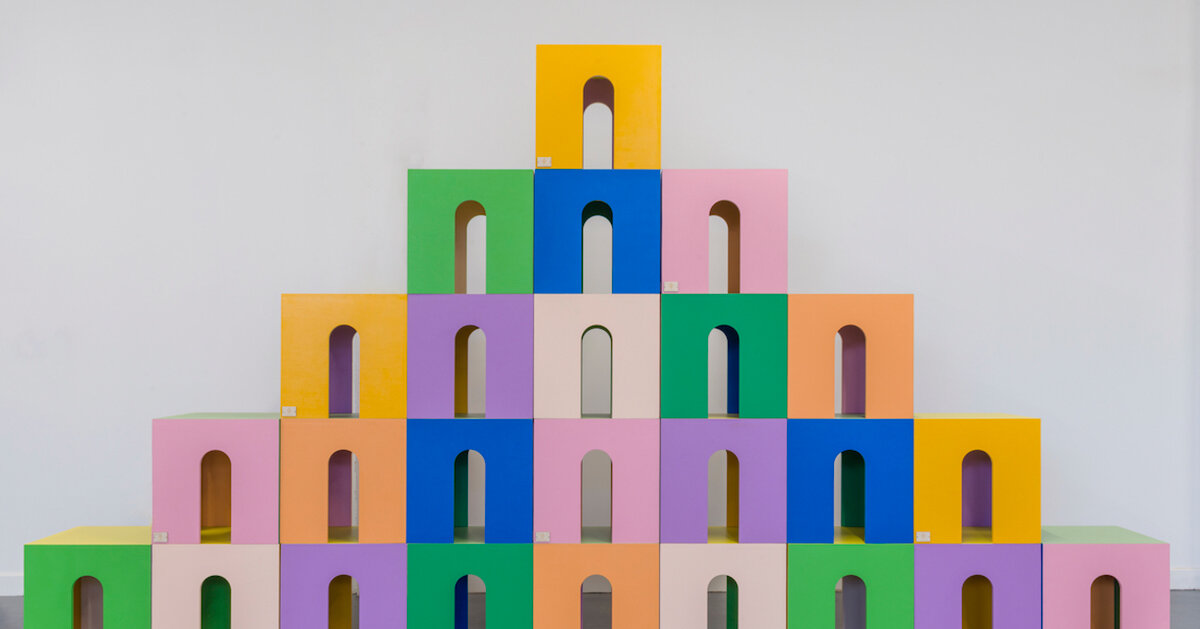
A new exhibition titled “INNER CHILD: Playing with Design,” set to open in October at Artipelag in Stockholm, will explore a significant shift in contemporary design. Curated by trend forecasters Lidewij Edelkoort and Philip Fimmano, the exhibition brings together 100 designers and artists whose work reflects a growing emphasis on emotional connection, experimentation, and playful forms. This movement is seen not merely as an aesthetic trend but as a fundamental change in creative mindset, emerging globally in response to a period marked by political uncertainty, environmental concerns, and rapid technological evolution.
The curators observed a recurring pattern among designers worldwide: a move towards handmade, tactile, and emotionally driven objects. This shared spirit, often infused with a sense of play, became the impetus for the “INNER CHILD” exhibition. Rather than focusing on nostalgia, the exhibition interprets the ‘inner child’ as a metaphor for a creative approach rooted in curiosity, intuition, and the freedom to make mistakes.
A New Creative Mentality
Edelkoort and Fimmano emphasize that this shift represents a new mentality within the design community. Designers, often working independently across continents, are increasingly embracing smaller-scale production, handcraft, and a more personal relationship with materials. This reorientation moves away from the ego-driven ambitions that characterized design in previous decades. Fimmano notes that these designers acknowledge their limitations in solving global problems but believe in making an impact on a smaller scale within their practices, villages, or communities.
The exhibition is structured around eight thematic chapters, showcasing how imagination and manual creation are re-emerging as vital tools. Objects range from furniture and textiles to sculpture and craft, all arranged to tell a story about this evolving design ethos. Works frequently utilize everyday or leftover materials such as cardboard, wood offcuts, textiles, wool, and paper, highlighting a humble and unpretentious approach to making.
Responding to Global Challenges
The curators link this design movement directly to the current global climate. Edelkoort describes an accumulation of crises – economic, human, planetary, and political – that have created a “critical mass of unlivable trauma.” In this context, revisiting one’s inner child, through creative play and empathy, offers a form of solace and a way to restore faith in humanity. This perspective frames play not as escapism, but as a proactive response to a changing world and evolving design culture.
The exhibition also touches upon the role of technology. While not anti-digital, it suggests that many designers, who grew up with digital tools, are now seeking a different balance. They are integrating tactile and emotional elements into their work, suggesting a desire for more meaningful interactions with objects and the creative process itself. This focus on modest gestures – making something from scratch, reusing materials, or engaging in craft – is presented as a source of optimism in uncertain times.
Global Patterns and Local Impact
A key finding for the curators was the widespread nature of this phenomenon. Fimmano observed that this shift is not confined to a single country or generation, appearing in Asia, Africa, South America, and Europe alike. This global embrace of playful, emotional, and handcrafted design points to a universal human need for connection and authenticity in the objects that surround us. The exhibition ultimately positions this trend as a form of “activism in aesthetics,” where the choice to create slower, more emotional, and tactile objects becomes a cultural statement.
Key facts:
| Detail | Description |
| :———— | :————————————————————————————————————————————— |
| Exhibition | INNER CHILD: Playing with Design |
| Venue | Artipelag, Stockholm |
| Curators | Lidewij Edelkoort & Philip Fimmano |
| Focus | Global shift in design towards play, emotion, and tactile materials as a response to contemporary societal challenges. |
The insights from the “INNER CHILD” exhibition are relevant for Paionia7 readers interested in how global socio-political and environmental factors influence architectural and design trends. The emphasis on sustainable materials, smaller-scale production, and the human-centric approach resonates with ongoing discussions in sustainable design and urbanism. The movement towards emotional and tactile design elements could also impact how architects and designers approach interiors, public spaces, and product integration within built environments, fostering deeper human connection and well-being.
Source: Designboom, https://www.designboom.com/design/creativity-play-lidewij-edelkoort-philip-fimmano-inner-child-artipelag-interview/
Datos clave
| Punto | Detalle |
|---|---|
| Fuente | Designboom |
| Fecha | 2026-07-22T10:50:52+00:00 |
| Tema | why does creativity need play? lidewij edelkoort & philip fimmano discuss their ‘inner child’ |
Source
Designboom Original publication: 2026-07-22T10:50:52+00:00
Related news

Handwoven Teak and Cord Outdoor Seating Debuts from Masaya and Abril Zepeda
Nicaraguan furniture brand Masaya has introduced two new handcrafted outdoor chairs — a rocking chair and a lounge chair — designed by…
Read more
Place in Mind: Hendricks Churchill Launches Hospitality Group to Revive Historic Properties
The architecture and interior design studio Hendricks Churchill has launched Place in Mind, a new hospitality group focused on acquiring, restoring, and…
Read more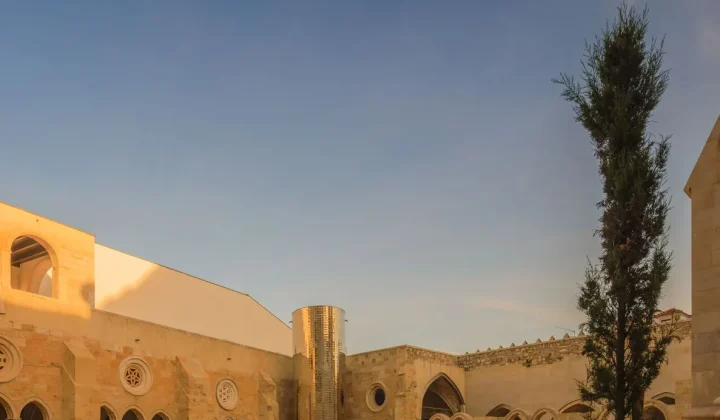
Adalberto Dias Architects Complete Restoration of Lisbon’s Patriarchal Cathedral and Archaeological Center
The restoration of the Sé de Lisboa by Adalberto Dias Arquitecto integrates a new archaeological center, preserved cloisters, and seven centuries of…
Read more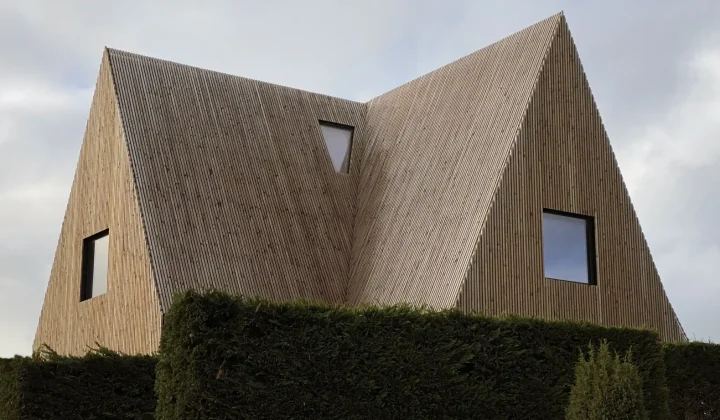
Vantieghem Talebi’s ‘House of Cards’ Brings Timber Geometry to Belgian Family Home
A new family house in Belgium by US- and Swiss-based practice Vantieghem Talebi uses a steeply pitched, card-house-inspired form clad in Douglas-fir…
Read moreRelated wiki

Adaptive Reuse in Architecture
Reference page for reuse, retrofit, conversion, embodied carbon and design constraints.
Read more