
Smart Irrigation: How Water Management Preserves Home Design and Curb Appeal
Uneven watering, misaligned sprinklers, and neglected irrigation systems can undermine even the most carefully designed home exterior. A look at why water management matters for architectural coherence.
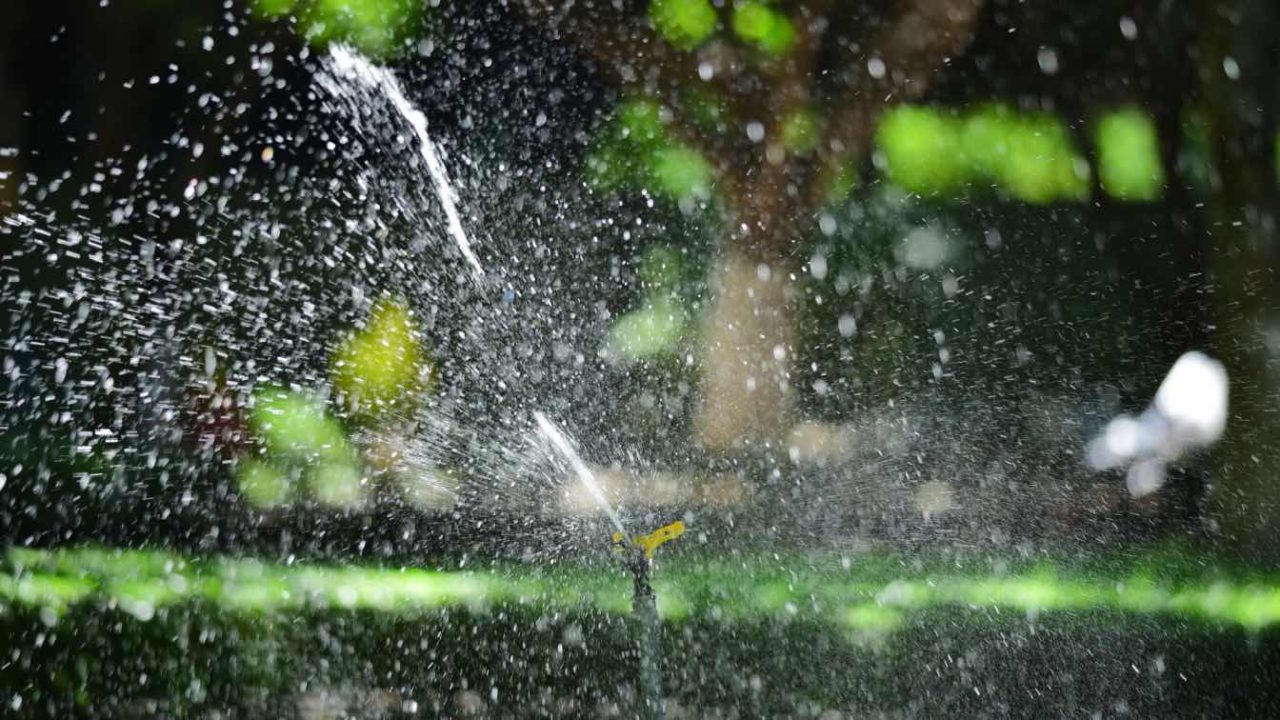
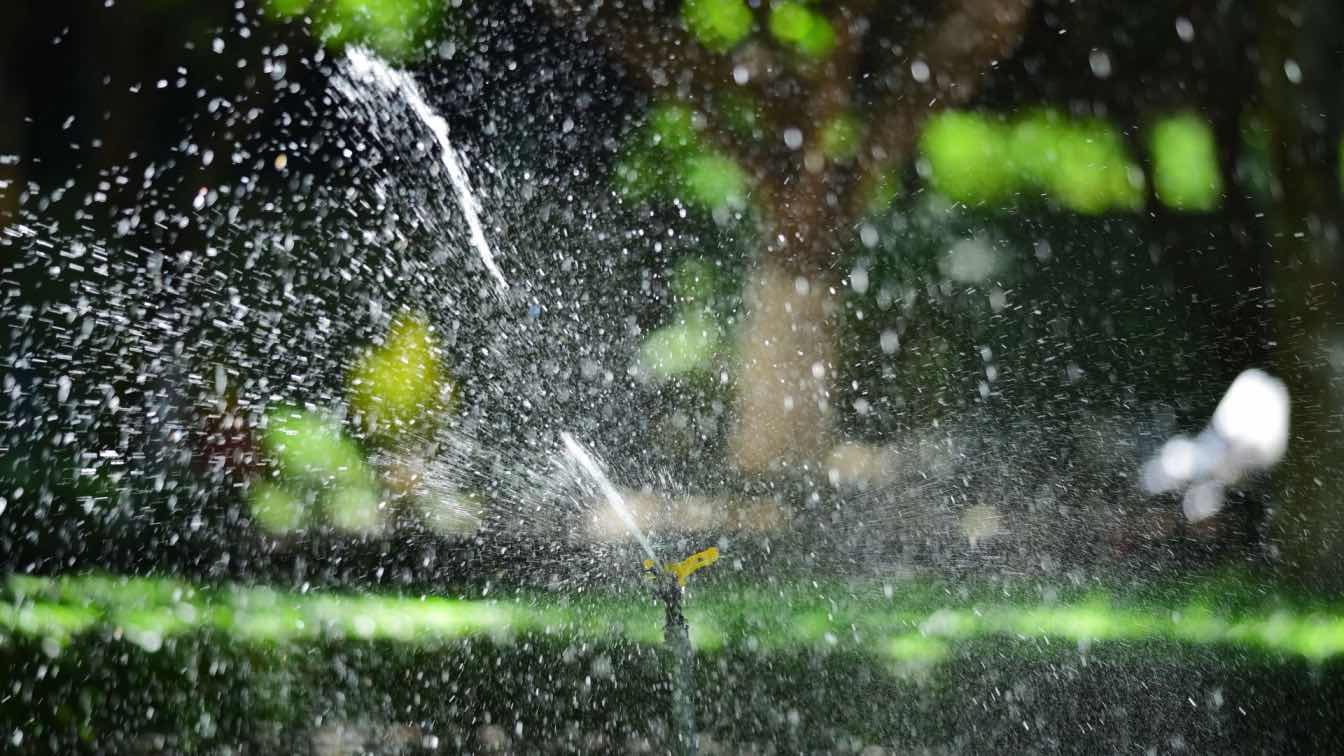
A home’s exterior design does not end at the walls. The way water moves through the property — whether through a carefully planned irrigation system or neglected sprinklers — directly affects how the architecture reads from the street. When the landscape looks stressed, patchy, or waterlogged, even a well-designed facade loses impact.
The connection between irrigation and design is often overlooked. Many homeowners focus on materials, rooflines, and windows while treating sprinklers as a purely functional utility. But in practice, water distribution shapes the visual balance of the entire property. Consistent moisture keeps grass colour uniform, planting beds defined, and hardscape edges clean. When the system fails, those details blur.
| Key facts | |
|---|---|
| Source | Amazing Architecture, article by Liliana Alvarez, published July 24, 2026 |
| Core argument | Irrigation problems (misaligned heads, leaks, uneven coverage) directly reduce curb appeal and can damage landscape investment |
| Practical takeaway | Seasonal walk-arounds and early repairs prevent costly sod replacement and preserve the architectural intent of the home |
| Audience | Homeowners, architects, landscape designers, and property managers |
Why irrigation matters for architectural coherence
Landscape and architecture work as a team. The house provides structure, while the yard adds softness, movement, and colour. If either side is weak, the whole property reads as unfinished. A lawn that grows unevenly — bright green in one area, brown in another — distracts the eye from the building’s proportions. Puddles near flower beds or spray hitting the driveway instead of plant roots create a sense of disorder that visitors may not consciously identify but certainly feel.
In design terms, water is part of the composition. Too little and the landscape fades; too much and it looks soggy and neglected. The goal is an even, intentional appearance that supports the architecture rather than competing with it.
Common problems that undermine design
Sprinkler systems fail gradually. A head that was perfectly aligned in spring can become blocked by summer growth. Seasonal shifts in weather patterns — heavy rain followed by drought — can throw off watering schedules. The result is often visible: brown patches near one side of the lawn, bright green overgrowth on another, misted windows, or puddles along walkways.
These issues do more than annoy the homeowner. They pull attention away from carefully chosen exterior details. As Liliana Alvarez writes in the source article, it is like wearing a great outfit with one muddy shoe — people see the outfit, but the muddy shoe steals the focus. For properties where curb appeal supports property value, the cost of ignoring irrigation problems goes beyond the water bill.
The hidden cost of neglecting sprinkler repair
A small leak or misaligned head may not seem urgent, but over time it wastes water, raises utility bills, and damages roots. Soil that stays soggy around walkways can weaken paving. Grass that receives uneven watering may die in patches, requiring sod replacement, new plants, cleanup, and labour. The visual consequence — a patchy yard — chips away at the home’s perceived value.
Early intervention is the cheapest fix. A seasonal inspection, simple adjustments, and prompt repairs prevent larger problems later. For homeowners who have invested in professional landscape design, maintaining the irrigation system is basic care that protects that investment.
Seasonal checks and professional help
Homeowners can do a simple walk-around every few months. Look for sprinkler heads that sit crooked, areas that stay soggy, or patches that consistently look duller than the rest. Watching one full watering cycle reveals whether water lands where it should. Adjustments to spray patterns and schedules based on the season — more water in dry periods, less during rainy stretches — keep the system efficient.
When professional help is needed, the best service providers treat the yard as part of the home, not just a collection of valves. They should explain the issue in plain language, show how it affects plant health and curb appeal, and offer long-term routine checkups. Local knowledge matters because watering needs vary by region.
How this matters for Paionia7 readers
Architects, landscape designers, and homeowners who follow Paionia7 understand that good design extends to every detail of the property. Smart irrigation is not a glamorous topic, but it is a practical one. It ensures that the effort put into facade materials, window placement, and outdoor living areas is not undermined by a neglected lawn. For anyone involved in residential design or renovation, paying attention to water management is a low-cost way to protect the overall visual impact.
Source: Amazing Architecture, “How Smart Irrigation Protects Great Home Design” by Liliana Alvarez, https://amazingarchitecture.com/articles/how-smart-irrigation-protects-great-home-design
Source
Amazing Architecture Original publication: 2026-07-24T16:17:38+00:00
Related news

When Film Directors Become Interior Designers: Guadagnino, Lynch, Anderson and Almodóvar Step Off Screen
From Luca Guadagnino’s Zara Home collection to David Lynch’s Paris club and Wes Anderson’s train carriage, a wave of collaborations is blurring…
Read more
Jesus Mari Lazkano Examines Changing Landscapes Through Painting and Animated Film at Basque Luxury Studio
The Basque artist’s exhibition ‘Azken Natura’ brings together six large-scale paintings and a 22-minute animated film that traces the melting of the…
Read more
Glenn Spiro opens intimate jewellery atelier in Mayfair with designer Valerie Name Bolaño
The London jewellery house’s new boutique at 26 Bruton Street blends antiques, bespoke furniture and a monochrome palette to create a residential…
Read more
RIBA International Prize 2026 Shortlist Announced: Four Projects Vie for World’s Best Building
The Royal Institute of British Architects has revealed four projects competing for the 2026 International Prize, marking the award’s tenth anniversary with…
Read moreRelated wiki

Adaptive Reuse in Architecture
Reference page for reuse, retrofit, conversion, embodied carbon and design constraints.
Read more