Artist-Designed Ping-Pong Tables Turn Rockaway Beach Into a Playground of Unpredictability
Six ping-pong tables rise from the sand at Rockaway Beach, each modified to disrupt the game. The Public Art Fund exhibition ‘Between Tides’ makes skill irrelevant and invites collective experimentation.
Down at New York City’s Rockaway Beach, six ping-pong tables rise directly from the sand, though each one interferes with the game it appears ready to host. A tentacle blocks a clean serve, circular holes swallow the ball, and a glockenspiel turns every rally into accidental music. The exhibition, titled Between Tides, is organized by the Public Art Fund and curated by Gabriela López Dena. It brings together commissions by Moko Fukuyama, Ilana Harris-Babou, Las Hermanas Iglesias, Carlos H. Matos, Amalia Pica, and SUPERFLEX. By making expertise temporarily useless, the tables turn competition into a collective exercise in experimentation.
Key facts
| Element | Detail |
|———|——–|
| Exhibition | Between Tides |
| Location | Rockaway Beach, New York City |
| Organizer | Public Art Fund |
| Curator | Gabriela López Dena |
| Artists | Moko Fukuyama, Ilana Harris-Babou, Las Hermanas Iglesias, Carlos H. Matos, Amalia Pica, SUPERFLEX |
| Dates | Summer 2026 (ongoing) |
Por que importa
The Exhibition’s Concept
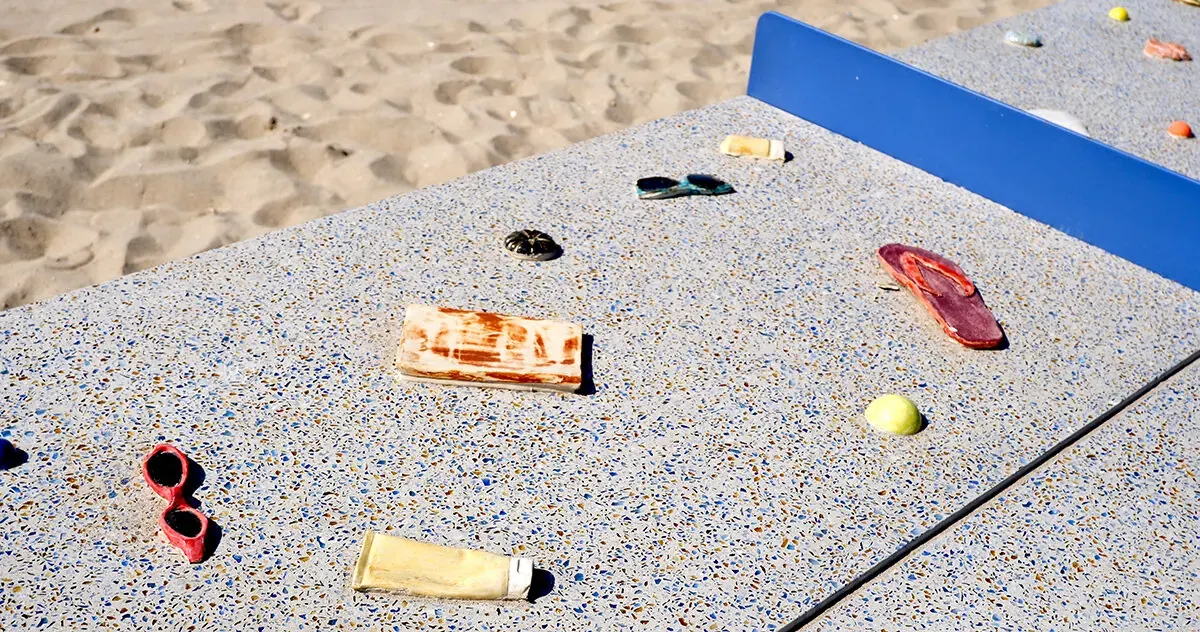
The familiar dimensions of a ping-pong table remain visible across all six sculptures, but technique travels poorly from one to the next. Brooklyn-born artist Ilana Harris-Babou makes the loss of competence explicit in for those of us who live at the shoreline. Everyday beach objects cast in ceramic sit across a sparkly terrazzo surface, blocking the direct paths that experienced players usually rely on. A smooth rally becomes difficult for everyone, leaving space for hesitant serves and strange rebounds. Harris-Babou developed the installation through ideas of free play and drawings made by beachgoers during workshops along the Rockaway boardwalk. The table creates a loose social zone where a person can compete, watch, rest, or improvise another activity entirely.
Artist Contributions
Japanese filmmaker and multidisciplinary artist Moko Fukuyama introduces a more theatrical interruption with Old School, which collides a 1958 aluminum boat with a wooden ping-pong table gripped by a brightly painted sea creature. The salvaged boat came from Marina 59 in the Rockaways, while the tentacles were carved from reclaimed walnut and finished in glossy automotive paint. One thick limb pushes through the playing surface at the exact place a player might expect to send the ball. By placing the obstruction directly in the path of play, Fukuyama gives chance a physical form.
Contexto
Las Hermanas Iglesias builds unpredictability into the sound of DiMeLo, a stainless-steel table embedded with musical instruments. A glockenspiel spans part of the surface, while percussion pieces occupy the opposing side. The ball can strike a tom drum or glance off a cymbal, producing tones that depend on the pace and direction of each rally. The Queens-born sisters draw from childhood games and their habit of using table tennis to work through ideas together. Here, competition gives way to an accidental composition.
The standard two-person setup is expanded by Amalia Pica through Fair Play, a zigzagging formation of eight tabletops that can accommodate up to ten people. Colorful maritime signal symbols spell out the work’s title across the surfaces, while fabric flags overhead issue a direct invitation: COME PLAY. The configuration makes it difficult to identify a single opponent or follow one clean line of exchange. Pica draws from the communal ping-pong games of her childhood in Argentina, where groups circled a table and passed paddles from one person to the next.
Design and Architecture References
Combining a contemporary ping-pong surface with the sloping walls and hoops of an Ulama court, Carlos H. Matos folds another ball-game history into Tlachco. The ancient Mesoamerican game used a rubber ball struck with the body, and its exact forms varied across place and time. The Mexican artist reduces its architecture to table scale, using aluminum and volcanic stone to create a compact court with several possible targets. A player can use the sloped side walls as rebounds or aim through a hoop before familiar scoring falls away altogether.
Creative collective SUPERFLEX takes the exhibition’s waterfront setting most literally with Fish Ping-Pong, a pink Cantera stone structure punctured by openings across its base and playing surface. Its blocky form refers to modernist housing along the Rockaway shoreline, though the architecture has been designed with future marine inhabitants in mind. If submerged, the cavities could shelter algae and other ocean life. Two large holes also sit directly in the path of the ball, turning absences in the table into possible targets. One player faces the city while the other looks toward the Atlantic, placing every match between urban construction and the water that continually reshapes the peninsula.
Why This Matters for Design Culture
Artists have used ping-pong for decades because its basic exchange is easy to recognize and easy to disturb. Between Tides continues that history through sculptures that need bodies, balls, missed shots, and improvisation to become complete. The exhibition turns a familiar recreational object into a public art platform that questions the role of expertise, competition, and participation. For designers and architects, the work offers a case study in how simple infrastructure can be reprogrammed to create unexpected social interactions, especially in a beachfront setting where public space is often underused for artistic expression.
Source: Designboom | https://www.designboom.com/art/artist-designed-ping-pong-tables-rockaway-beach-new-york-between-tides/
Datos clave
| Punto | Detalle |
|---|---|
| Fuente | Designboom |
| Fecha | 2026-07-26T17:05:04+00:00 |
| Tema | artist-designed ping-pong tables make everyone a beginner at rockaway beach |
Source
Designboom Original publication: 2026-07-26T17:05:04+00:00
Related news
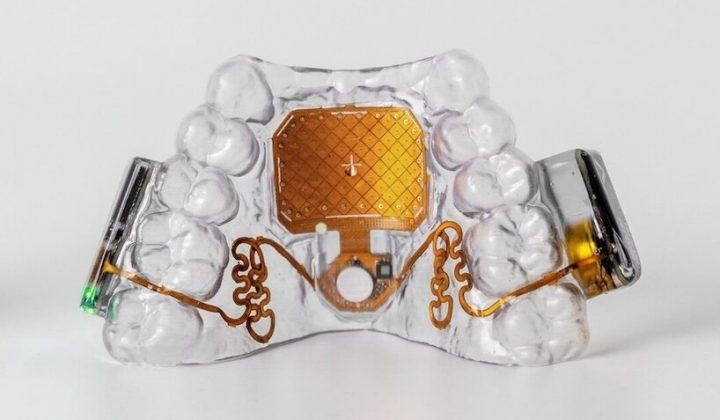
Augmental MouthPad Public Sales Bring Tongue-Controlled Cursor to US Users
The San Francisco startup Augmental opens public sales of its hands-free MouthPad, a custom-fit dental retainer that turns tongue gestures into cursor…
Read more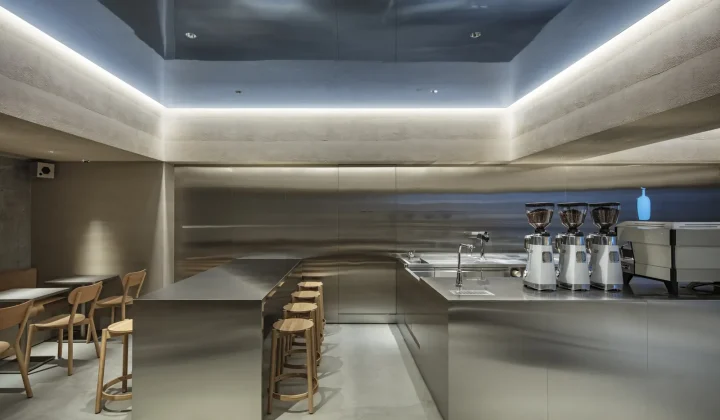
Blue Bottle Coffee Opens Harajuku Cafe Designed by TEKI Design
TEKI Design completes a new cafe for Blue Bottle Coffee in Harajuku, creating a passage and a framed view of the sky…
Read more
The Caudron Rafale C.460: A 1930s Racing Plane of Elegant Design and Engineering
A 1934 racing plane designed by Marcel Riffard, the Caudron Rafale C.460 combined a slender plywood fuselage, a Renault engine, and record-breaking…
Read more
Mami Dan Temple and Toligbé Cultural Center: Maison Bignon Sossou Reinterprets Vodun Sacred Landscape in Benin
Maison Bignon Sossou’s Mami Dan Temple of Toligbé Cultural Center in Ouidah, Benin, uses contemporary architecture to preserve and transmit Vodun heritage…
Read moreRelated wiki

Adaptive Reuse in Architecture
Reference page for reuse, retrofit, conversion, embodied carbon and design constraints.
Read more