Mami Dan Temple and Toligbé Cultural Center: Maison Bignon Sossou Reinterprets Vodun Sacred Landscape in Benin
Maison Bignon Sossou’s Mami Dan Temple of Toligbé Cultural Center in Ouidah, Benin, uses contemporary architecture to preserve and transmit Vodun heritage through local materials, collective memory, and sacred landscape reinterpretation.
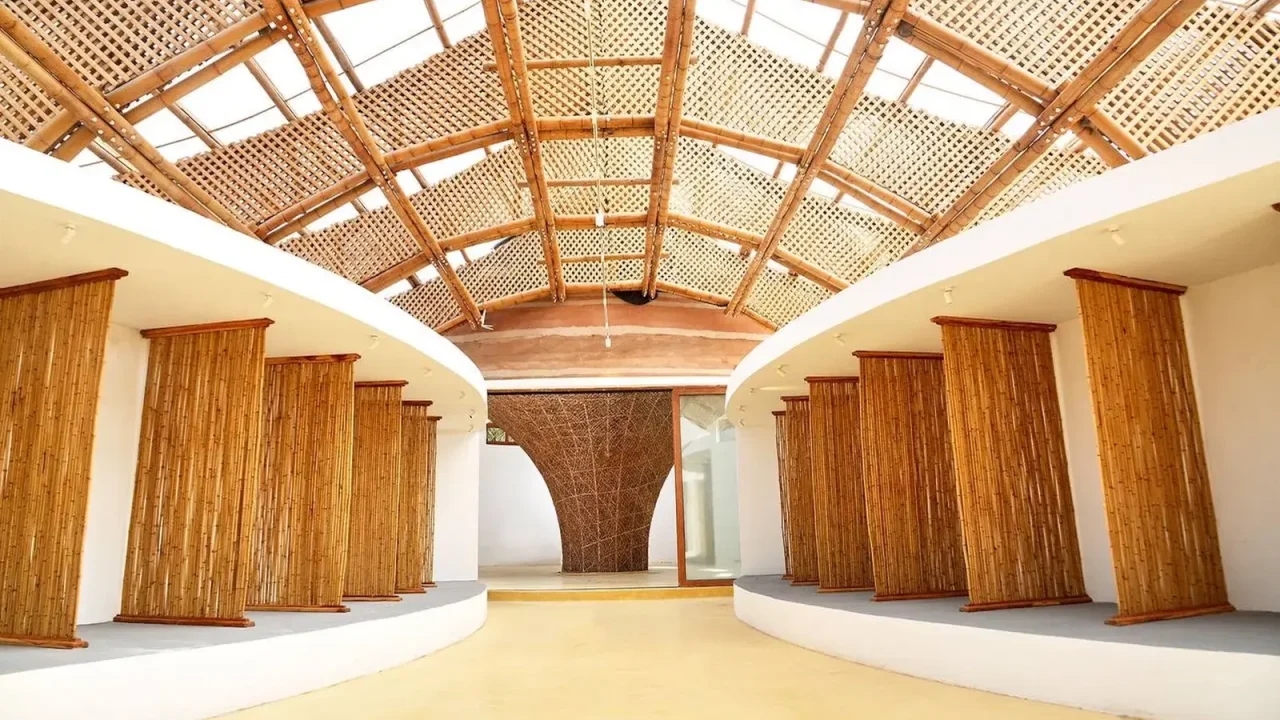
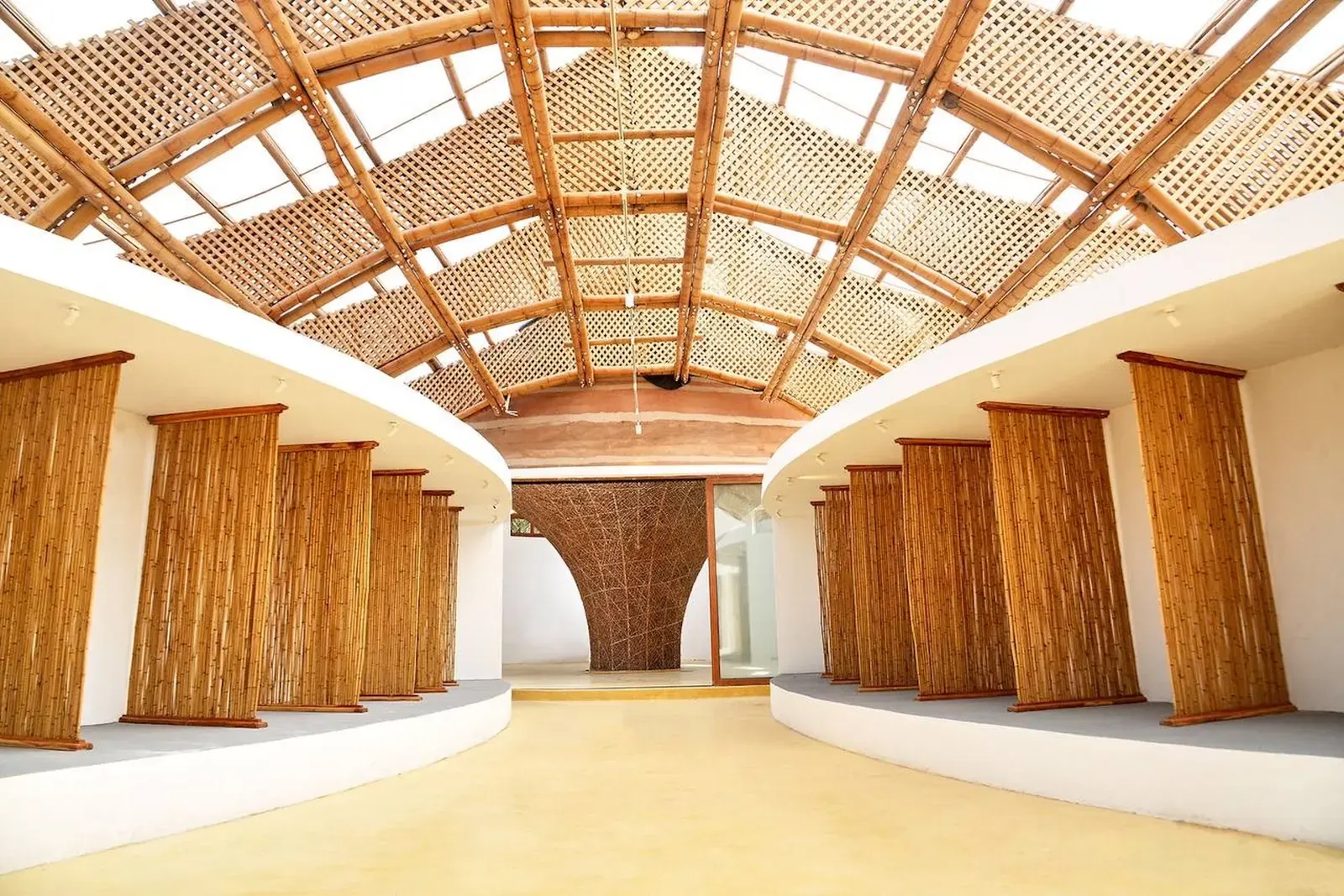
The Mami Dan Temple of Toligbé Cultural Center, designed by Maison Bignon Sossou, offers a contemporary reinterpretation of the sacred Vodun landscape in Ouidah, Benin. Published by ArchDaily on July 26, 2026, the project presents architecture as a vessel for preserving, transmitting, and renewing Africa’s living cultural heritage. Conceived as both a spiritual sanctuary and a cultural destination, the temple is part of a larger cultural center complex that draws on local knowledge, materials, and collective memory.
The project sits in Ouidah, a town on Benin’s Atlantic coast historically tied to the Vodun religion and the Atlantic slave trade. The area contains numerous sacred sites, including Python Temple and the Door of No Return. Maison Bignon Sossou’s design responds to this layered context by translating Vodun cosmology into built form without resorting to literal replication. The temple’s forms, circulation, and material palette are derived from indigenous building traditions and the specific topography of the site.
Por que importa
| Key facts |
|---|
| Project |
| Architect |
| Location |
| Type |
| Core concept |
Design philosophy and material approach
The design team describes the temple as a “vessel” that holds intangible heritage. Rather than mimicking historic Vodun shrines, the architecture uses abstracted geometries, earth-based materials, and light to evoke spiritual experience. The project prioritises locally sourced materials such as compressed earth blocks, laterite, and timber, which are common in Benin’s vernacular architecture. These choices reduce embodied carbon and tie the building to its geographic and cultural context.
The temple’s layout follows processional pathways that echo Vodun ritual sequences. Courtyards, covered passages, and open-air spaces allow for both private devotion and public gatherings. The integration of water elements and planted areas references the sacred role of nature in Vodun cosmology. The building is designed to be adaptable, accommodating ceremonies, exhibitions, and educational programmes.
Contexto
Relevance for contemporary architecture discourse
The Mami Dan Temple contributes to a growing body of work by African architects who reassert local traditions while engaging with global modernism. Maison Bignon Sossou’s approach aligns with movements such as “critical regionalism” and “decolonising architecture” by centering indigenous knowledge systems rather than importing Western typologies. The project also highlights the role of architecture in cultural preservation, especially in regions where oral and ritual traditions are under pressure from urbanisation and tourism.
For Paionia7’s core readership – architects, designers, urbanists, and cultural practitioners – the temple offers a case study in how spiritual and cultural programmes can be expressed through contemporary design without losing authenticity. It raises questions about the architect’s responsibility to work with existing belief systems and community memory, and about the materials and methods that best serve those aims.
Que sigue
Context and limitations
The information available comes from the ArchDaily publication and the studio’s own description. No independent verification of construction status, size, budget, or client was provided. The project may still be in design or early construction phases; the published date (July 2026) is recent. Readers should consult the architect’s office or the Toligbé Cultural Centre management for updates on completion and public access.
For those interested in the intersection of sacred space, cultural heritage, and contemporary African architecture, the Mami Dan Temple is a notable addition. It demonstrates that architecture can act as a medium for living heritage, not just a container for it.
Source: ArchDaily – “Mami Dan Temple of Toligbé Cultural Center / Maison Bignon Sossou” (July 26, 2026). https://www.archdaily.com/1181253/mami-dan-temple-of-toligbe-cultural-center-maison-bignon-sossou
Source
ArchDaily Original publication: 2026-07-26T17:00:00+00:00
Related news
Handwoven Teak and Cord Outdoor Seating Debuts from Masaya and Abril Zepeda
Nicaraguan furniture brand Masaya has introduced two new handcrafted outdoor chairs — a rocking chair and a lounge chair — designed by…
Read more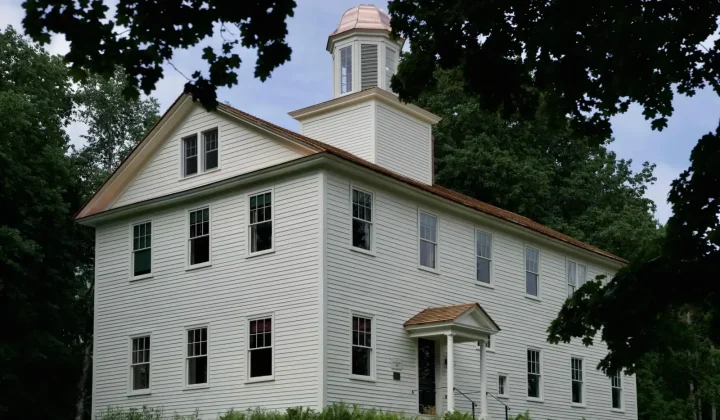
Place in Mind: Hendricks Churchill Launches Hospitality Group to Revive Historic Properties
The architecture and interior design studio Hendricks Churchill has launched Place in Mind, a new hospitality group focused on acquiring, restoring, and…
Read more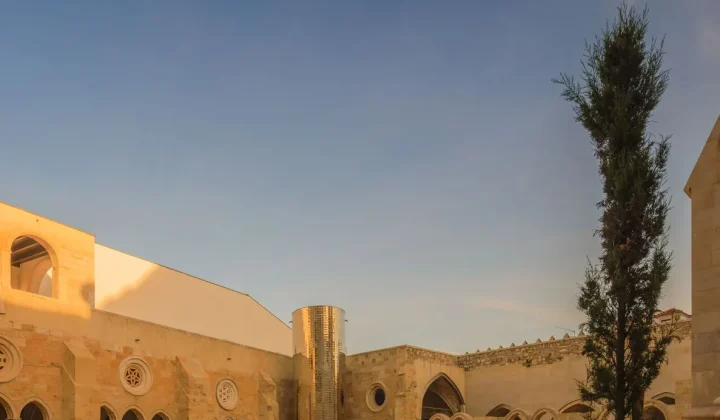
Adalberto Dias Architects Complete Restoration of Lisbon’s Patriarchal Cathedral and Archaeological Center
The restoration of the Sé de Lisboa by Adalberto Dias Arquitecto integrates a new archaeological center, preserved cloisters, and seven centuries of…
Read more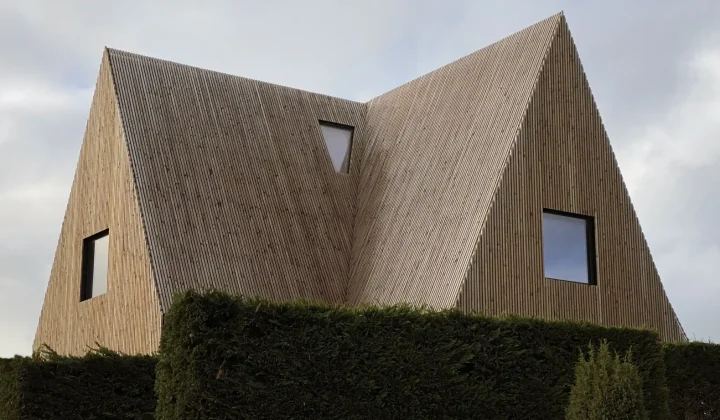
Vantieghem Talebi’s ‘House of Cards’ Brings Timber Geometry to Belgian Family Home
A new family house in Belgium by US- and Swiss-based practice Vantieghem Talebi uses a steeply pitched, card-house-inspired form clad in Douglas-fir…
Read moreRelated wiki
Adaptive Reuse in Architecture
Reference page for reuse, retrofit, conversion, embodied carbon and design constraints.
Read more