
UNESCO Adds Aalto Works and Tashkent Modernism to World Heritage List
At the 48th session of the World Heritage Committee in Busan, 25 new sites were inscribed, including 13 buildings by Aino, Elissa and Alvar Aalto in Finland and 10 modernist structures in Tashkent, Uzbekistan.
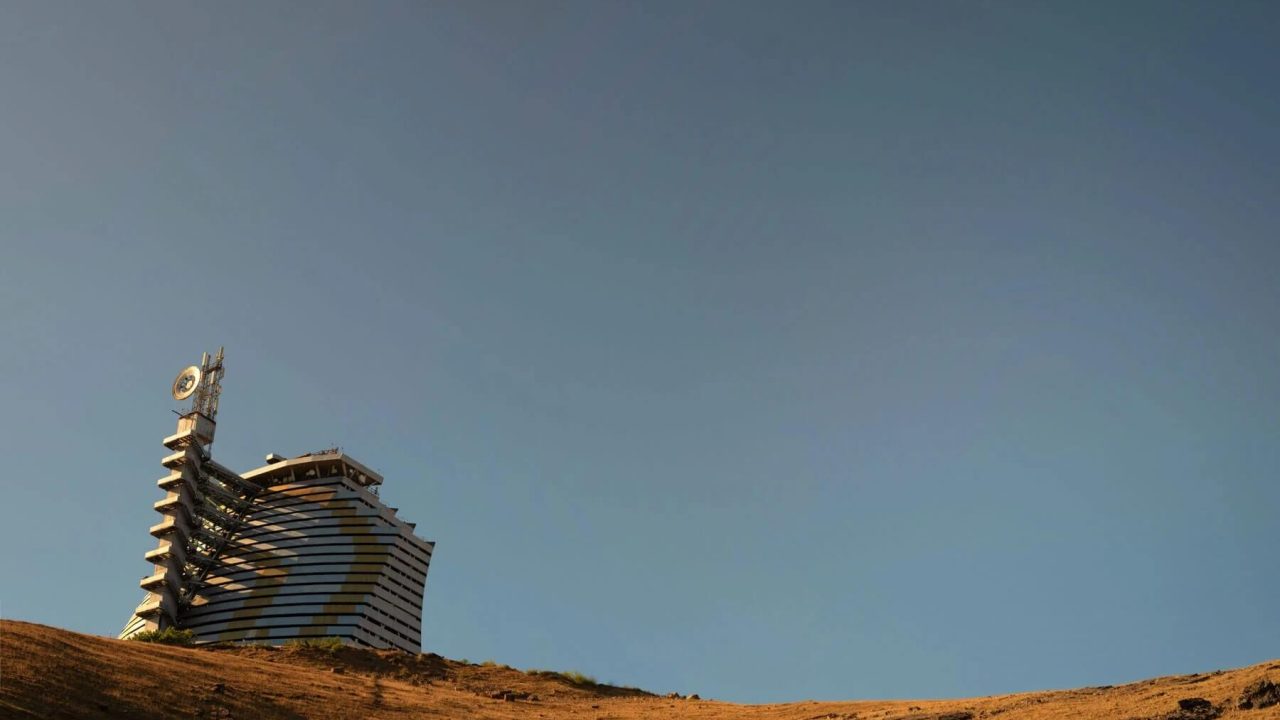
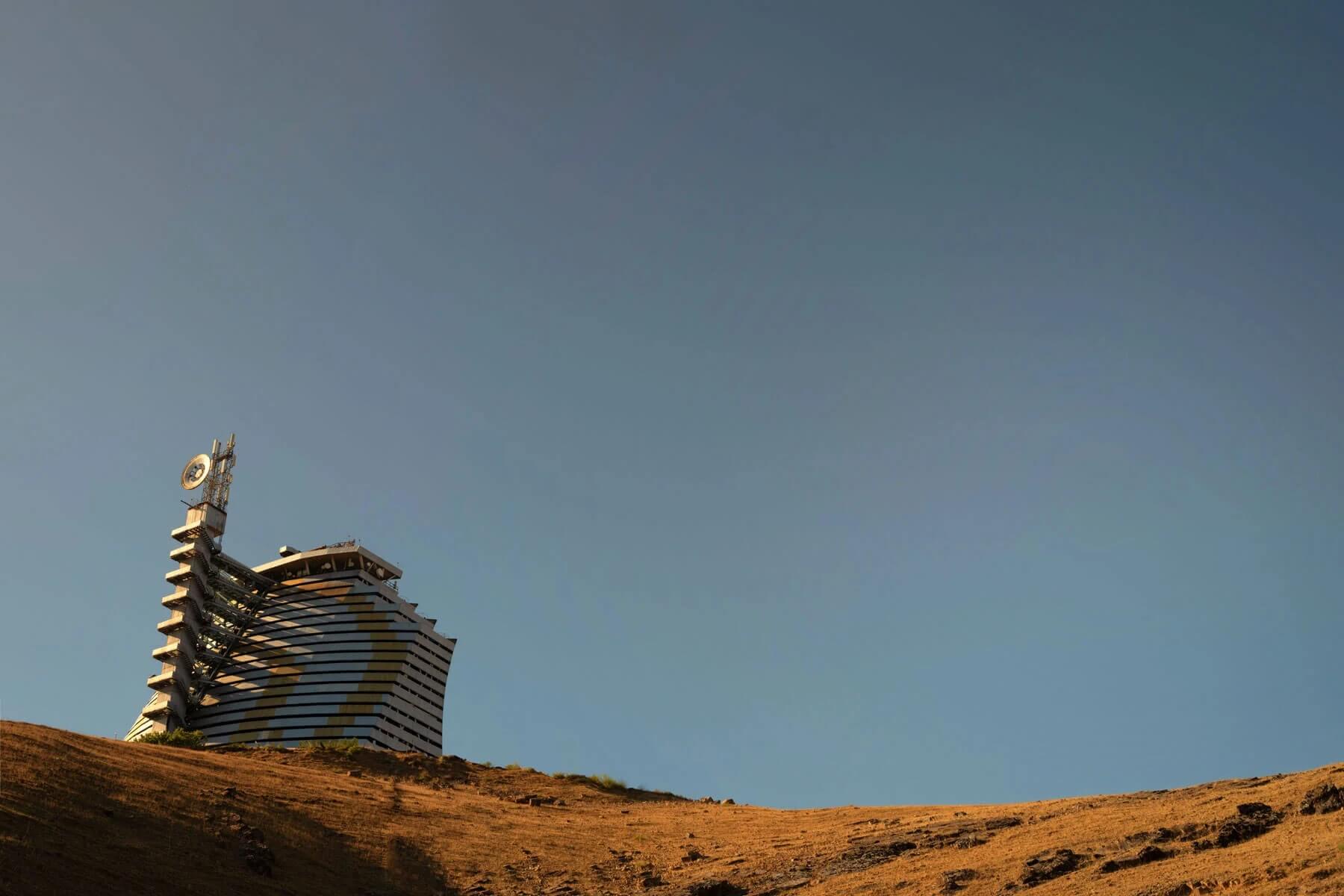
The 48th session of the UNESCO World Heritage Committee, held in Busan, South Korea, last week added 25 new properties to the World Heritage List. Among them were two architectural ensembles that mark significant milestones for modern heritage: 13 buildings and complexes by the Aaltos in Finland, and ten modernist structures in Tashkent, Uzbekistan. The inscriptions reflect a growing international recognition of 20th-century architecture as cultural heritage warranting permanent protection.
Aalto Works: Finland’s first modern architecture on the list
The committee inscribed the Aalto Works series, a collection of 13 projects designed by architects Aino, Elissa, and Alvar Aalto across Finland. The designation caps a 40-year, multi-step nomination process. Ten of the featured works are individual buildings; the remaining three are campuses or multi-building ensembles.
The inscribed sites include the Sunila Pulp Mill residential area in Kotka, Studio Aalto, the Aalto House, the recently renovated Finlandia Hall in Helsinki, and the Paimio Sanatorium. The sanatorium recently made headlines for a preservation-forward plan that will turn its campus into a “wellness” destination and diplomacy summit.
Tommi Lindh, CEO of the Alvar Aalto Foundation, said in a statement: “The Aalto Works series is unique from both a national and an international perspective. Until this designation, Finland had no sites of modern architecture on the UNESCO World Heritage List.” He added that the inscription “recognizes the Aaltos’ lasting influence on modern architecture worldwide and the enduring importance of creating environments that support human wellbeing, community and cultural identity across generations.”
Tashkent modernism: A first for Central Asia
Over 2,000 miles from Finland, the committee also inscribed a set of ten modernist buildings in Tashkent, Uzbekistan, dating from the 1960s to the early 1990s. The Uzbekistan Art and Culture Development Foundation confirmed that the inscription makes “Uzbekistan the first country of Central Asia to be recognized for its 20th-century architectural heritage.”
The ten buildings include museums, palaces, the State Circus building, theaters, a market, and a metro station. Among the most striking is the Heliocomplex, one of the largest solar furnaces in the world. Research toward UNESCO nomination began in 2021, when 24 buildings were documented and analyzed for condition and conservation needs. The late architectural historian Jean-Louis Cohen contributed to the application before his death.
Gayane Umerova, Chairperson of the Uzbekistan Art and Culture Development Foundation and Chairperson of the National Commission of Uzbekistan for UNESCO, said: “These buildings record how Tashkent imagined public life, collective identity and the future through architecture. The UNESCO recognition also carries a long-term responsibility: to conserve these buildings with rigour, keep them part of the life of the city and pass their knowledge to future generations.”
| Key facts | |
|---|---|
| Inscription body | UNESCO World Heritage Committee, 48th session, Busan, South Korea |
| Aalto Works | 13 buildings and complexes (Finland); includes Sunila, Paimio Sanatorium, Finlandia Hall |
| Tashkent modernism | 10 buildings (Uzbekistan, 1960s–1990s); first Central Asian 20th-century architecture listing |
Other notable inscriptions
Beyond the architectural additions, the committee inscribed the beaches of Normandy, France, site of the D-Day landings in World War II, and two theaters in Brazil that combine French and European architectural influences with Amazonian decorations and motifs. Several archaeological, sacred, and natural sites were also added to the list.
Why this matters for architecture and preservation
The inclusion of both Aalto Works and Tashkent modernism signals a broader shift in UNESCO’s approach to heritage. Modernist and 20th-century buildings have historically been underrepresented on the list compared to ancient or pre-industrial sites. Finland’s Aalto ensemble now provides a benchmark for how whole bodies of work by a single architectural practice can be recognized as collective heritage. The Tashkent inscription, meanwhile, opens the door for other Central Asian countries to nominate their Soviet-era modernism, a legacy that has often been overlooked or threatened by demolition and neglect.
For architects, preservationists, and urban planners, these additions offer both a model and a responsibility. The Aalto sites already benefit from strong foundation stewardship, but the Tashkent buildings will require sustained conservation efforts, funding, and public engagement to remain viable. The UNESCO listing does not guarantee funding, but it does raise the international profile and can unlock technical assistance and tourism revenue.
Source: The Architect’s Newspaper – https://www.archpaper.com/2026/07/unesco-aalto-uzbekistan-world-heritage-list/
Source
The Architect's Newspaper Original publication: 2026-07-27T19:49:59+00:00
Related news

Handwoven Teak and Cord Outdoor Seating Debuts from Masaya and Abril Zepeda
Nicaraguan furniture brand Masaya has introduced two new handcrafted outdoor chairs — a rocking chair and a lounge chair — designed by…
Read more
Place in Mind: Hendricks Churchill Launches Hospitality Group to Revive Historic Properties
The architecture and interior design studio Hendricks Churchill has launched Place in Mind, a new hospitality group focused on acquiring, restoring, and…
Read more
Adalberto Dias Architects Complete Restoration of Lisbon’s Patriarchal Cathedral and Archaeological Center
The restoration of the Sé de Lisboa by Adalberto Dias Arquitecto integrates a new archaeological center, preserved cloisters, and seven centuries of…
Read more
Vantieghem Talebi’s ‘House of Cards’ Brings Timber Geometry to Belgian Family Home
A new family house in Belgium by US- and Swiss-based practice Vantieghem Talebi uses a steeply pitched, card-house-inspired form clad in Douglas-fir…
Read moreRelated wiki

Adaptive Reuse in Architecture
Reference page for reuse, retrofit, conversion, embodied carbon and design constraints.
Read more